
- Why the Last Week of Term Matters
- Checking the Room Before You Pack
- Packing So Nothing Travels
- The Journey Home
- Arriving at the Family Home
- If They Turn Up Anyway
This guide is written for the student and the parents collecting them. The accommodation provider's side of the problem, treating rooms and blocks, is on our page about bedbugs in student accommodation.
Why the Last Week of Term Matters
Through term, anything living in a bed in halls stays roughly where it is. On moving-out day everything that has sat in that room, clothes, bedding, books, the laptop bag, a beanbag, gets packed tightly into bags and boxes and driven somewhere with fresh beds and nobody watching for them.
A few adults or eggs in a pillowcase or a rucksack seam are enough to start again. The good news is that the steps that stop it are simple and mostly involve a washing machine.
Checking the Room Before You Pack
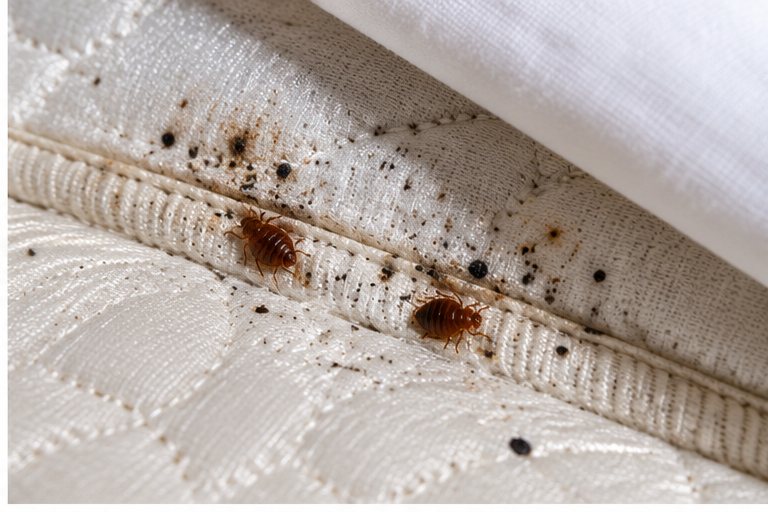
Give yourself half an hour with a torch a day or two before you leave. Look at:
- The mattress seams and piping, for dark ink-like spotting or pale shed skins
- The joints of the bed frame and anywhere the headboard meets the wall
- The seams of any soft chair, beanbag or cushion that sat near the bed
- Your own suitcase, if it has been stored under the bed all term
If you find anything, report it to the accommodation office in writing before you leave, with photos. It helps whoever has the room next and puts on record that you told them.
Packing So Nothing Travels
- Wash and dry the clothes before they go in a bag. A hot wash, then a full hot cycle in a tumble dryer. The dryer does most of the work, so do not skip it.
- Bag them straight from the dryer. Clean clothes go into new sealed bin bags or zip bags, not back into the drawer or the old laundry bag.
- Leave the halls bedding behind if it belongs to the accommodation. If it is yours, it gets the same wash and dry and a sealed bag of its own.
- Pack hard things separately. Books, chargers and shoes go in a box you have looked through, not loose in a soft holdall.
- Think about the bulky soft things. A worn cushion or a beanbag that sat by the bed may be better left than carried home.
The Journey Home
Sealed bags are the point of all that effort, so keep them sealed. In the car, the bags go in the boot rather than on the back seat. On a train or coach, keep them closed and at your feet. None of this needs to be elaborate; the aim is only to stop anything wandering out between one building and the next.
Arriving at the Family Home
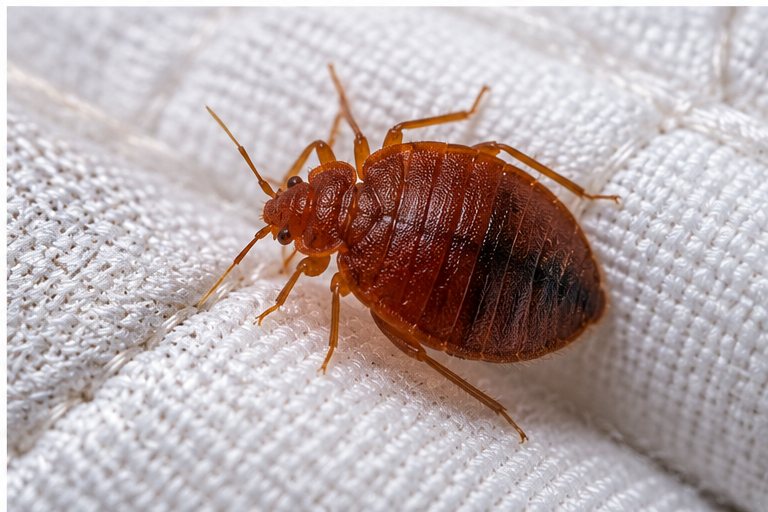
This is where most of the damage is done. Bags get carried upstairs, emptied onto the bed you slept in as a teenager, and left open in the corner for a week.
- Unpack somewhere with a hard floor, such as the kitchen or the hall, not the bedroom.
- Anything soft that was not washed at halls goes straight into the machine and the dryer.
- Check the suitcase and rucksack seams, zips and pockets with a torch, then vacuum them and put them away from the bedrooms.
- Keep an eye on the bed for the first few weeks: seams, the frame and the headboard.
If They Turn Up Anyway
Do not move the student into another room or onto the sofa, and do not drag the mattress out. Both spread them through the house. Keep any bug you find and get it confirmed; the inspection page explains what that involves. Caught in one bedroom, it is usually a small job.
Bites are not a reliable sign on their own because people react so differently. For itching, a pharmacist or GP can help, and 999 is for any sign of a severe allergic reaction. For bags and books specifically, see can bedbugs live in books, bags and backpacks.
Related Questions
Can I just put everything in the freezer or leave it in the car?
Neither is reliable at home. A hot wash and a full hot tumble dry is the simple method that works for anything that can go in the machine.
Should I throw away my mattress from home in case?
No. If nothing has been found there is nothing to treat, and if something is found, we tell you whether the mattress can be treated. Moving it spreads them.
Who pays for treatment of the halls room?
That is between you and the accommodation provider and depends on the agreement. Report it in writing. We are pest controllers, not legal advisers.
What if bedbugs are found at home a month later?
Ring us on 0800 955 1018. Treatments start at £220, and one bedroom caught early is often suited to chemical treatment.
More Bedbug Advice for Greenwich
Written up in full for people in the borough, and worth reading before the treatment day.
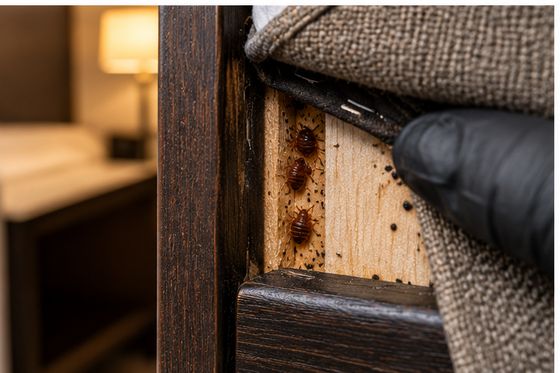
Metal, Wooden or Divan: Which Bed Frame?
Which frames give them most places to hide, how each is treated, and whether to replace.
Read more →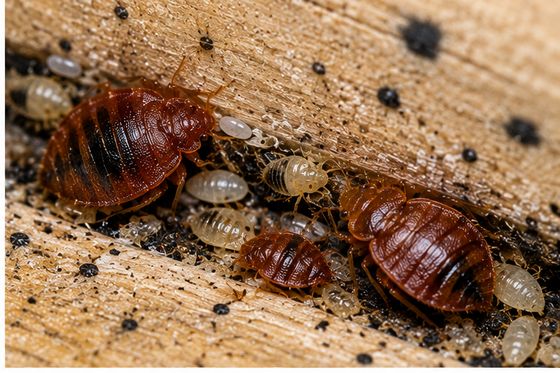
Books, Bags and Backpacks
The things that go in and out of the bedroom every day, and what to do with them.
Read more →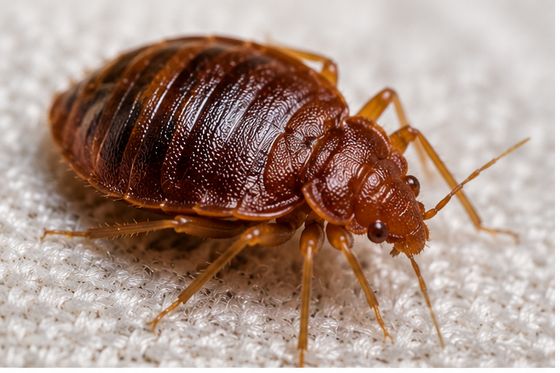
Pillows, Duvets and Mattress Toppers
What can be washed, what can be dried, and what needs treating or replacing.
Read more →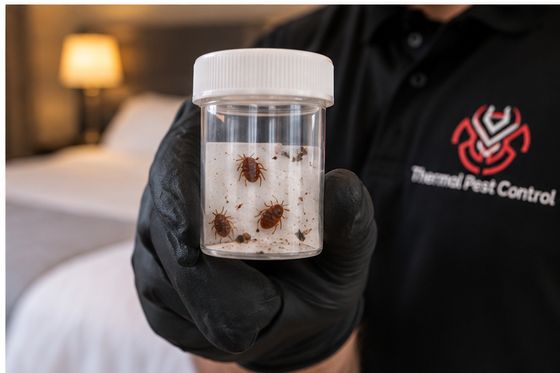
Do Bedbug Traps and Monitors Work?
Interceptor cups and monitors as a way of finding bedbugs, not a way of treating them.
Read more →Bedbug Control Across Greenwich
Each area page is written around one situation we deal with.
Bedbug Treatments in Greenwich
Every service has its own page for Greenwich: heat, chemical, hotels, commercial premises and inspections.
Tell Us About the Property
Tell us what you have seen and where, and we will tell you what it needs.