

Where the Risk Actually Sits on Site
Bedbugs want a person who stays still for hours, which is why they settle around beds. A busy site cabin is not a comfortable home for them. The risk comes from what other people carry in: if someone on the crew has them at home, a jacket on a shared hook or a holdall in a pile can pass a few along.
Drying rooms deserve a thought. Coats, hi-vis and gloves hang packed together, touching, often overnight. A drying room that is warm but not hot does not kill anything; it simply keeps everyone's gear in contact.

A Routine at the Front Door
- Kit bag stops at the door. Leave it on a hard floor in the hall, never on the bed or the bedroom carpet.
- Workwear goes straight in the wash. A hot wash and a full hot dry for anything that can take it, including base layers and socks.
- Boots stay out of the bedroom. Our guide on whether bedbugs live in shoes covers footwear properly.
- Look over the bag once a week. Torch along the seams, the base and the zip tape. Dark specks, pale skins or live insects are what you are looking for.
- Swap to a hard or wipeable bag if you can. It gives them far fewer places to hold on.
If You Think the Cabin Has Them
If you see live insects in a cabin or drying room, tell the site manager or your supervisor in writing, with a photo if you can. Welfare facilities are the contractor's to sort out, and site cabins come under our commercial work. Keep your own gear separate in the meantime and step up the routine at home.
If It Has Already Reached Home
Bites after a few weeks of this, or spotting on the mattress, mean the bed needs checking, not just the bag. Bites on their own do not prove bedbugs; some people react and some do not. A pharmacist or GP can help with itching or a rash, and 999 is for signs of a severe allergic reaction.
An inspection from £120 confirms what is there. Treatment starts from £220. Chemical usually needs two or three visits of an hour or two, around 10 to 14 days apart, which can be arranged for early or late in the day if you are on site. Heat is normally one long day and costs more. Early starts are no problem for us; tell us your hours when you ring about a Holloway home.
If you work away and stay in digs or hotels during the week, the same door routine applies to that bag too. For how the problem travels around the borough generally, see the Islington page.
Bedbug Control Holloway — Questions
Can bedbugs live in a hi-vis vest or hard hat?
A hard hat gives them little to grip. Fabric workwear can carry them, which is why a hot wash and hot dry after each week is worth doing.
Should I keep my kit bag in the van?
It keeps it away from the bed but does not kill anything inside. Wash what you can and check the bag itself.
Will I have to take days off for treatment?
Not necessarily. Chemical visits are short and heat is one day. Tell us your shifts and we will work around them where we can.
I rent in Holloway. Do I tell my landlord?
Yes, in writing. Who arranges and pays depends on the tenancy and the cause. We are pest controllers, not legal advisers.
Elsewhere in Islington
The other areas in the borough, each written around a different situation.
Bedbug Advice for Holloway
Picked for this page: the guides that go further on what matters for Holloway.
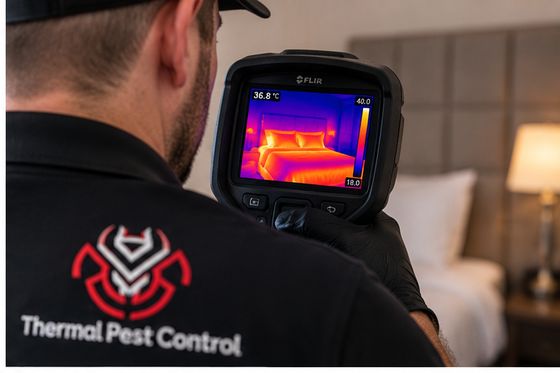
Bedbugs in the Workplace
The source is almost always somebody's home. Handling that without humiliating anyone is the real job.
Read more →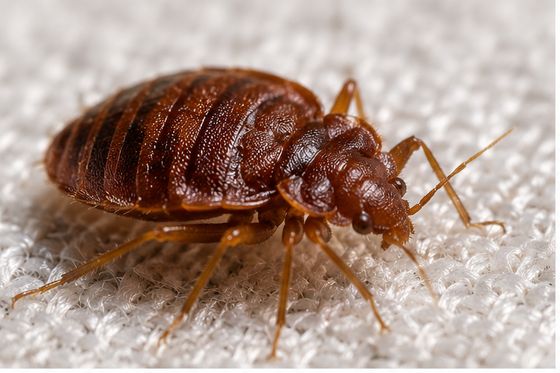
Can Bedbugs Live in Shoes?
How likely it really is, the rack by the bed, trainers and slippers, and what to do.
Read more →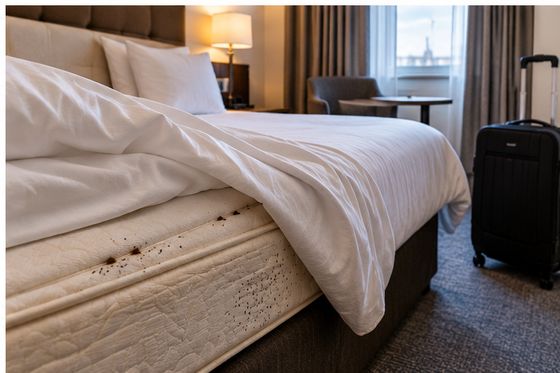
Why Bedbugs Seem More Common
Travel, second-hand trade, shared buildings and shop sprays that stopped working.
Read more →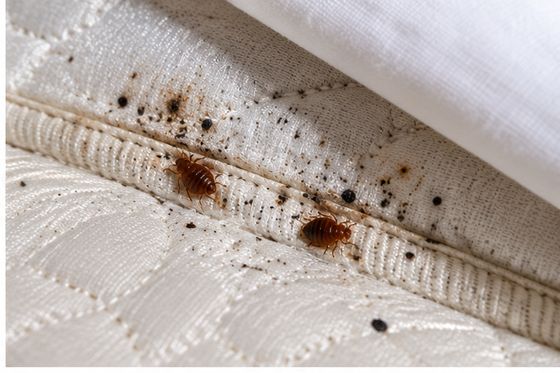
The Early Signs, and the Timeline
Week one to month six. What is detectable when, and why 'early' is mostly invisible.
Read more →Bedbug Treatments in Islington
Every service has its own page for Islington: heat, chemical, hotels, commercial premises and inspections.
Covering Holloway
Tell Us About the Property
Tell us your working hours, where the bag is kept and what you have seen at home, and we will suggest the simplest way to deal with it.