

A Bedbug at Work Usually Came From Somewhere Else
Bedbugs feed on sleeping people. In an office nobody sleeps, so a single bug found on a chair or a bag has usually been carried in from a home or a journey rather than bred there. That is the most common picture, and it calls for a measured response rather than closing the floor. How commercial jobs are run in general is on the London commercial bedbug treatment page for the full explanation.
What matters first is keeping the bug. Put it in a sealed bag or a jar, or take a clear photo, and note where it was found and when. An identified specimen saves a lot of guesswork.
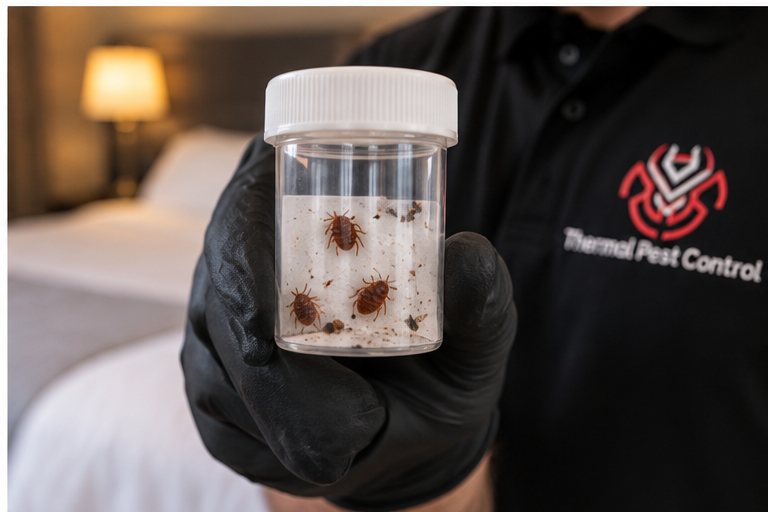
Desks, Chairs and Soft Seating
The places worth checking at work are the ones people sit on for long periods and the places bags are dropped:
- fabric office chairs, particularly seams under the seat and where the back meets the base;
- sofas and armchairs in reception, breakout areas and meeting rooms;
- upholstered booths and banquettes, which have deep seams and gaps against the wall;
- the floor under and around desks where rucksacks sit all day;
- coat stands and cloakroom shelves where outdoor things are piled together.
Leather and faux-leather seating is common in studios and breakout spaces. Smooth surfaces are poor hiding places, but the seams, buttons and frames underneath are not; can bedbugs live in leather furniture? explains where to look.
Studios Where Someone Sleeps Over
A workplace changes character if anyone sleeps there, even occasionally. Studios that work late before a deadline sometimes have a sofa that doubles as a bed, or a quiet room with a daybed. Once someone sleeps on it, bedbugs have what they need to settle and breed. If that happens in your building, tell us when you ring. It moves that piece of furniture, and the area around it, from “check” to “likely needs treating”.
Student Rooms and University Buildings
Student bedrooms are homes, and they behave like homes: a bed, a person sleeping in it every night and belongings coming and going with the term. A confirmed room is treated like a small flat, with the rooms either side, above and below checked before anyone decides they need treatment. Teaching rooms, libraries and study spaces are treated more like offices. The London guide to bedbugs in student accommodation covers residences more fully.
For a single student room, heat is usually one visit and most of a day out of the room; chemical is two or three shorter visits over a few weeks, with the student sleeping there in between. The Islington heat treatment page and the Islington chemical treatment page set out each route.
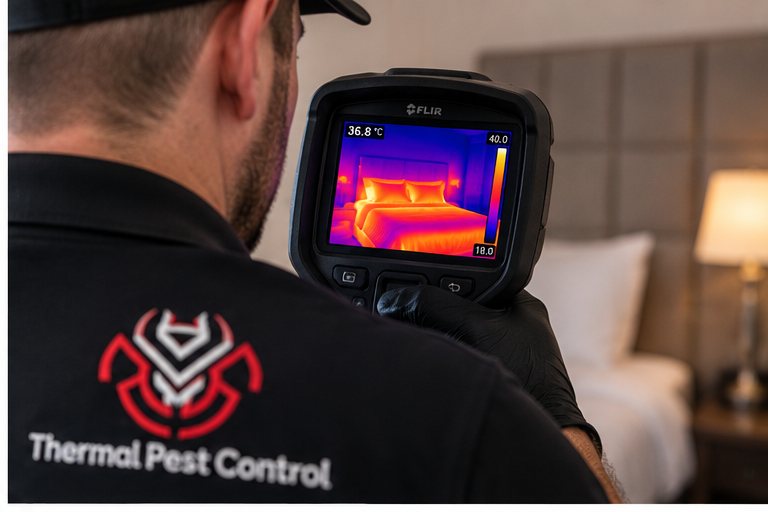
Talking to Staff Without Alarm
The person whose bag or chair the bug was on may feel singled out, and colleagues may worry about taking something home. Keep the message short and factual:
- a bedbug was found, it is being dealt with, and here is what is being checked and when;
- nobody is being blamed, and nobody needs to name who found it;
- keep bags zipped and off the floor, and avoid leaving coats in piles for the next few weeks;
- anyone worried about their own home can check their mattress seams and bed frame, or ring us.
If someone has bites, a pharmacist or GP is the right person to ask, and 999 is for signs of a severe allergic reaction.
Out of Hours, and Getting a Price
Most offices and studios would rather we worked when the space is empty, early in the day, in the evening or at a weekend, and we plan around that where we can. Work is quoted on the rooms, units or areas involved. Treatments start from £220 and inspections from £120. Ring 0800 955 1018 with the floor plan in your head and what was found, and you get the figure on the phone before anything is booked. The Islington bedbug control page covers homes across the borough.
← Bedbug Control Islington · Commercial Bedbug Treatment London, in full
Commercial Bedbug Treatment Islington — Questions
One bedbug was found on a chair. Do we need to close the office?
Usually not. A single bug at work has most often been carried in. Keep it if you can, and book an inspection of the area before deciding anything else.
Can you work outside office hours?
Where we can, yes. Early starts, evenings and weekends are often easier for a workplace, and we plan the visits around them.
Someone slept on our studio sofa. Does that change things?
It can. Furniture that is slept on gives bedbugs what they need to settle, so that sofa and the space around it are looked at more closely.
Should we tell staff?
Yes, briefly and without naming anyone. Say what was found, what is being checked, and what they can do at home if they are worried.
How are student rooms handled?
Like a small home: the confirmed room is treated, and the rooms around it are checked before anyone decides they need treating too.
How is a workplace job priced?
On the rooms, units or areas involved. Treatments start from £220 and inspections from £120, with the figure given on the phone.
Bedbug Treatments in Islington
Every service has its own page for Islington: heat, chemical, hotels, commercial premises and inspections.
Commercial Advice
The guides that go into commercial bedbug treatment in more depth.
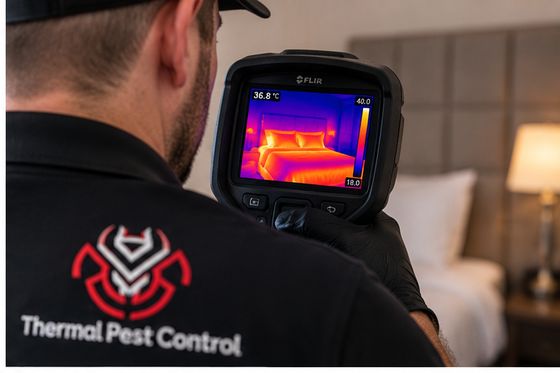
Bedbugs in the Workplace
The source is almost always somebody's home. Handling that without humiliating anyone is the real job.
Read more →
HMOs and Serviced Apartments
Getting into every unit at once is the hard half of block work. How it is actually scheduled.
Read more →
Student Accommodation and Halls
The academic calendar is a pest calendar. Build the inspection programme around it.
Read more →
Bedbug Treatment for Care Homes
Treating around a resident who cannot easily move, and why heat is often the wrong answer.
Read more →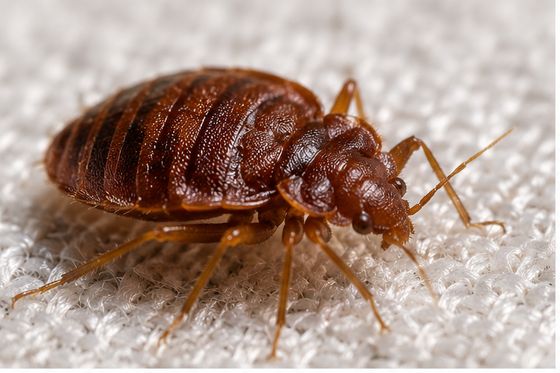
Can Bedbugs Spread Through an Office?
What an office 'infestation' turns out to be when somebody actually investigates it.
Read more →Bedbug Control Across Islington
Each area page is written around one situation we deal with.
Tell Us About the Property
Tell us what was found, where in the building and when the space is empty, and we will ring back.