

Who Does What in a Managed Block
In a house, the person with bites rings us. In a managed tower, the report usually reaches the concierge desk first, then the building manager, then sometimes an asset manager or the operator's head office. Each of those steps can cost days. The fastest buildings are the ones where everyone knows the order before the first report arrives.
- Concierge: takes the report, logs the unit and date, and passes it on the same shift.
- Building manager: decides who books treatment, and arranges access to the unit and the ones around it.
- Resident: prepares the flat as we ask, and keeps the appointments.
- Us: confirm what it is, treat, and tell the manager which units we looked at and what we found.
How we approach commercial work generally is on the London commercial bedbug treatment page, for the full explanation.
Build-to-Rent: When the Furniture Is Yours
In a build-to-rent block the operator often owns the sofa, the bed and the dining chairs. That changes the decisions. A resident cannot simply throw out a sofa that is on the inventory, and nobody should: carrying it through the corridors and down the service lift is how a second floor gets bugs. Treat it in place, and only replace it if we advise that.
It also means the operator has a direct interest in how quickly the report comes in. A resident worried about being blamed may sit on it for weeks. A clear message that reports are welcome, and that treatment is handled by management, gets the call made while the problem is still one room.
Treating a Unit in a Tower
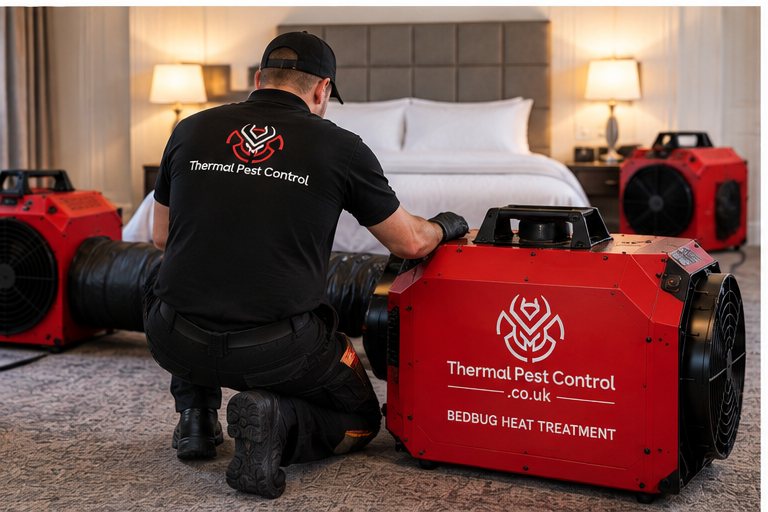
Most flats in a new block are compact and well sealed, which suits either treatment. Heat deals with the whole flat in one visit and suits a furnished unit full of upholstery. Chemical costs less, short on each visit, and leaves a residual at the edges, but needs a second visit about 10 to 14 days later. The borough pages on heat treatment and chemical treatment explain what each means for the resident.
A few things are particular to towers. Heat-detecting fire alarms in the treated flat have to be dealt with by arrangement with whoever manages the fire system, so we need that contact before the day. Equipment comes up in the service lift, which may need booking. Residents on mechanical ventilation sometimes ask whether it spreads bugs; our guide on fans, air conditioning and dehumidifiers answers that.
The Units Around It
Bedbugs in a tower rarely come through solid concrete. They travel along service risers, through gaps round pipes where they pass between floors, and on people and belongings in the lifts and corridors. When one flat is confirmed, the flats either side and directly above and below should be inspected, and any flat the resident visits often.
Inspecting neighbours costs less than treating them on suspicion, and it gives the manager an answer for anxious residents. Bedbug inspections in Wandsworth explains what that visit involves.
Amenity Spaces
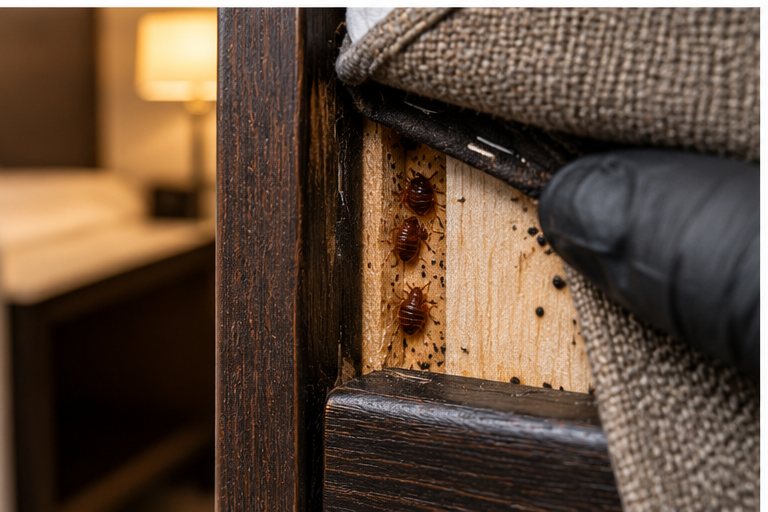
Residents’ lounges, co-working areas and screening rooms have soft seating that people sit in for hours. Bedbugs do not breed well where nobody sleeps, but a sofa in a lounge can collect them from residents and pass them on. If a resident reports bites after using a shared space, have the seating checked; our guide to upholstered seating shows where to look.
Guest suites and short-stay units, if the building has them, behave more like hotel rooms. Hotel bedbug treatment in Wandsworth covers that kind of room.
Cost
Commercial work is quoted on the units or rooms involved, and treatments start from £220. Heat costs more than chemical. Ring 0800 955 1018 with the number of affected units, the floors they are on and whether they are furnished by the operator, and you get the figure on the phone before anything is booked. Ask when you ring about anything specific to your building’s access or timing. For the borough as a whole, see the Wandsworth bedbug control page.
← Bedbug Control Wandsworth · Commercial Bedbug Treatment London, in full
Commercial Bedbug Treatment Wandsworth — Questions
Who should ring you, the resident or the building manager?
Whoever is going to book and pay. In most managed blocks that is the building manager, but the resident can ring for advice first.
Do all the flats on the floor need treating?
No. The confirmed flat is treated, and the ones around it are inspected. Only units with signs need treatment.
Can the operator's furniture be treated rather than replaced?
Usually, yes, and it should be treated in place. Moving an infested sofa or bed through the building spreads bugs. Replace it only if we advise that.
What about the fire alarms during heat treatment?
Heat-detecting alarms in the flat need handling by arrangement with whoever manages the fire system. Give us that contact when you book.
Does a new building mean bedbugs cannot get in?
No. Newer construction leaves fewer hiding places, but bedbugs arrive on people, luggage and furniture, and they settle in beds and sofas regardless of the age of the walls.
Can you look at a flat before a new resident moves in?
Yes. An inspection starts from £120 and is a sensible step for a unit that had a confirmed case.
Bedbug Treatments in Wandsworth
Every service has its own page for Wandsworth: heat, chemical, hotels, commercial premises and inspections.
Commercial Advice
The guides that go into commercial bedbug treatment in more depth.
Bedbugs in the Workplace
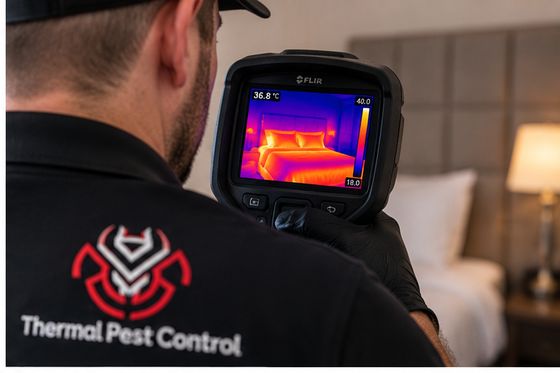
The source is almost always somebody's home. Handling that without humiliating anyone is the real job.
Read more →
HMOs and Serviced Apartments
Getting into every unit at once is the hard half of block work. How it is actually scheduled.
Read more →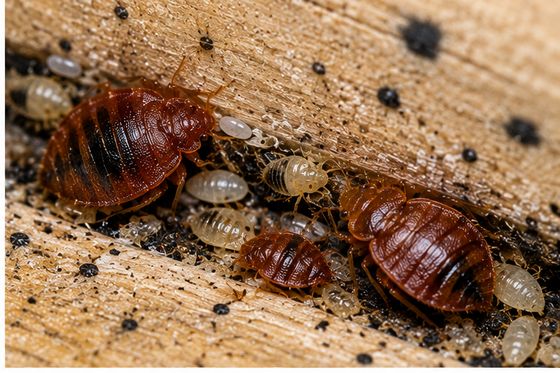
Student Accommodation and Halls
The academic calendar is a pest calendar. Build the inspection programme around it.
Read more →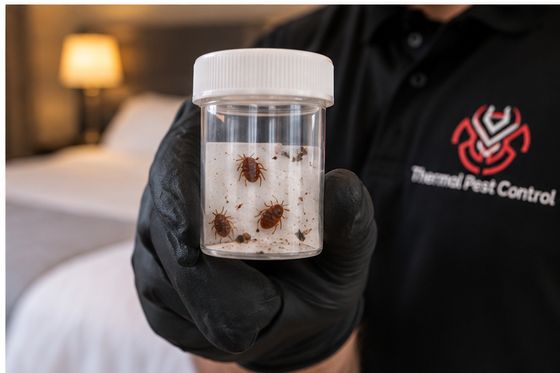
Bedbug Treatment for Care Homes
Treating around a resident who cannot easily move, and why heat is often the wrong answer.
Read more →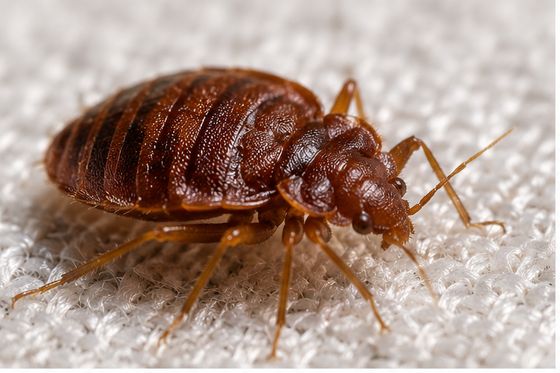
Can Bedbugs Spread Through an Office?
What an office 'infestation' turns out to be when somebody actually investigates it.
Read more →Bedbug Control Across Wandsworth
Each area page is written around one situation we deal with.
Tell Us About the Property
Tell us about the building, how many units are affected and who manages access, and we will explain the options.