

Why Soft Seating Changes Things
Bedbugs need somewhere to hide close to a person who stays still long enough to feed. In most workplaces nobody does. Upholstered booths, a studio sofa used between shoots, or a green room armchair offer seams, buttons and gaps where a few bugs can live off people who sit for hours. That is the situation we are dealing with here.
The wider picture for businesses, including who is responsible and what records to keep, is on the London commercial bedbug treatment page for the full explanation. The London guide to bedbugs in the workplace covers staff concerns.
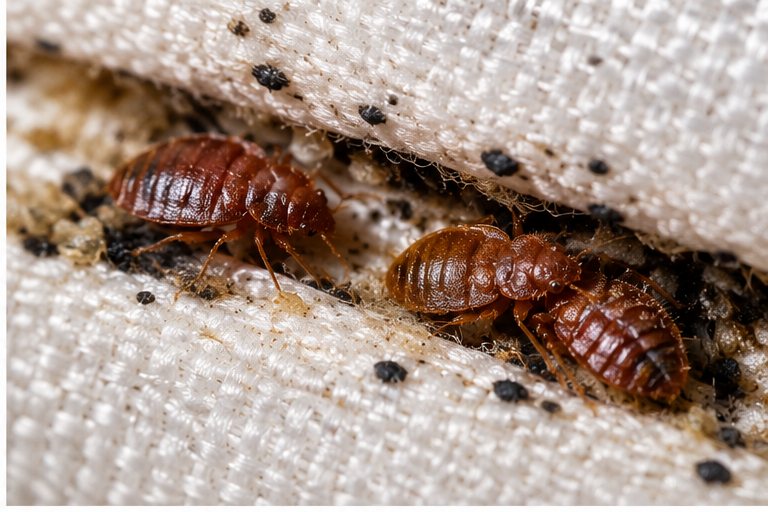
Bars: Banquettes, Booths and Stools
Fixed seating is where to look first. Bugs settle in the join between seat and back, under deep buttoning, along piping and where the upholstery meets the wall fixings. Padded stools hide them under the rim of the seat. Staff often see spotting or a live bug when they wipe down after close, which is exactly the kind of report worth acting on.
- Photograph what staff found and note which booth or table it was.
- Keep that seating out of use if you can, rather than moving cushions to another area.
- Do not spray over-the-counter products on it; they can scatter the bugs into the next booth.
- Ring us with the layout: how many booths, whether they are fixed, and when the bar is closed.
Studios and Creative Spaces
Photography, film and music studios collect furniture from all over: a sofa from a house clearance, a chaise hired for a shoot, costume rails of second-hand clothes. Every one of those is a way in. The guide to bedbugs in wicker, rattan and vintage furniture shows how to check an old piece before it comes through the door. Co-working spaces with sofas and nap areas have their own page for Shoreditch.
A props store or wardrobe room can hold bugs for a long time between uses. If something infested is found, bag it where it is and tell us what else was stored alongside it.
Shared studio buildings add another layer. Several small businesses may rent units off one corridor, with a kitchen or break room in common and a sofa that belongs to nobody in particular. If you find signs in your unit, tell the building manager as well as your own team, because the common room is often where people from different units sit together. We can quote for your unit on its own, or for the shared rooms if whoever runs the building asks us to. What we cannot do is treat someone else’s unit without their say-so.
Choosing Between Heat and Chemical at Work
Chemical treatment suits seating that stays put: fixed banquettes and booths can be treated along every seam and joint in one to two hours, with a follow-up visit about a fortnight later. The area is usable again once dry, which usually means it can reopen for the next session. The Hackney chemical treatment page describes the course.
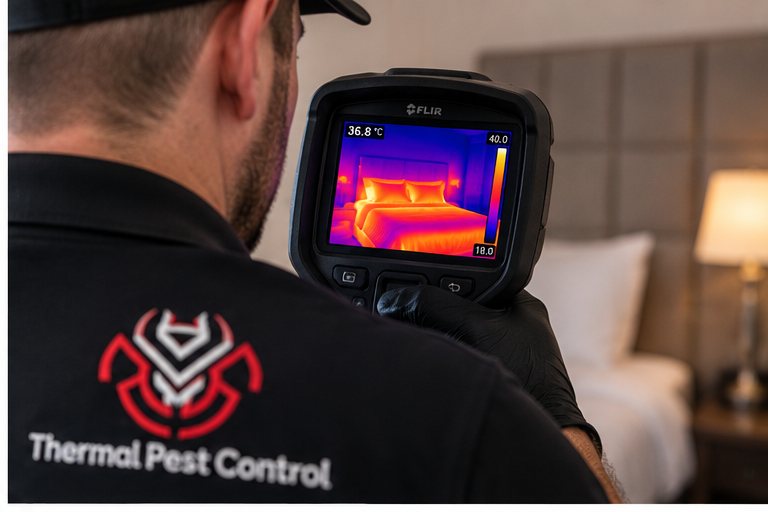
Heat treats a whole room at once, eggs included, and suits a studio or back room where the problem has spread beyond one sofa. It takes most of a day and needs things heat would damage taken out first. In a studio that list can be long: cameras, lighting with plastic parts, vinyl, film, and some instruments. We go through it with you before booking. The Hackney heat treatment page covers the day.
Staff and the Journey Home
The bigger worry for most employers is that bugs travel home with staff, or arrived that way. Tell the team what has been found and what is being done, without naming anyone. Anyone who finds signs at home can ring us about their own place. Where a question is about employment rights or responsibilities, take advice from the right people; we are pest controllers, not legal advisers.
Out-of-Hours Visits and Quotes
Bars are usually treated after closing or before opening, and studios between bookings. Commercial work is quoted on the rooms or seating areas involved, and treatments start from £220. If you are not sure what staff saw was a bedbug, an inspection starts from £120. Ring 0800 955 1018 with the layout and your quiet hours.
← Bedbug Control Hackney · Commercial Bedbug Treatment London, in full
Commercial Bedbug Treatment Hackney — Questions
Can you treat our bar without closing it?
Usually yes. We work when you are closed, and chemically treated seating can be used again once it has dried.
Is fixed booth seating treated differently from loose chairs?
It cannot be moved, so we work along every seam, join and wall fixing where it stands. Loose chairs and stools are turned over and done individually.
A second-hand sofa in our studio has bedbugs. Should we throw it out?
Not before we have seen it. Carrying it out through the building can spread them. We will tell you whether treating it is sensible.
Do our staff need to do anything at home?
Only if they see signs there. We are happy to talk anyone through what to look for, and they can call us about their own home.
How is commercial work priced?
On the rooms or seating areas involved. Treatments start from £220, and we give the figure before anything is booked.
Bedbug Treatments in Hackney
Every service has its own page for Hackney: heat, chemical, hotels, commercial premises and inspections.
Commercial Advice
The guides that go into commercial bedbug treatment in more depth.
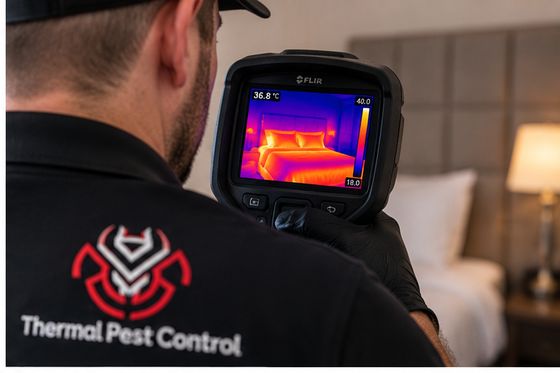
Bedbugs in the Workplace
The source is almost always somebody's home. Handling that without humiliating anyone is the real job.
Read more →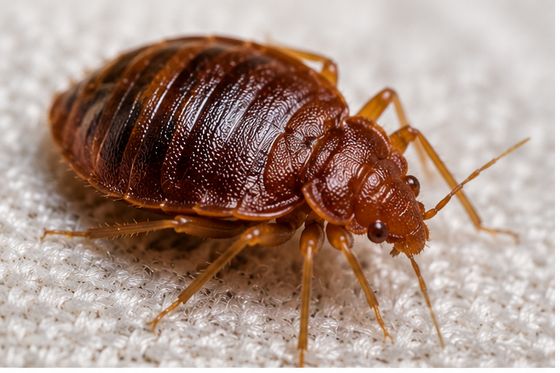
HMOs and Serviced Apartments
Getting into every unit at once is the hard half of block work. How it is actually scheduled.
Read more →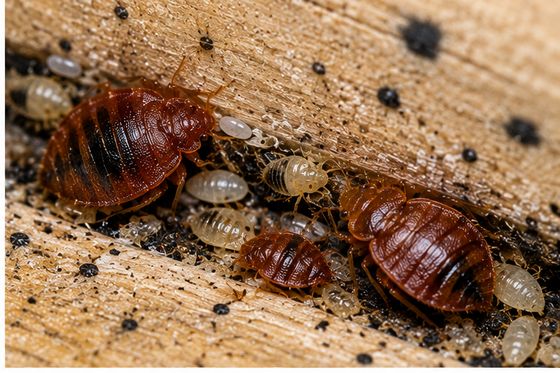
Student Accommodation and Halls
The academic calendar is a pest calendar. Build the inspection programme around it.
Read more →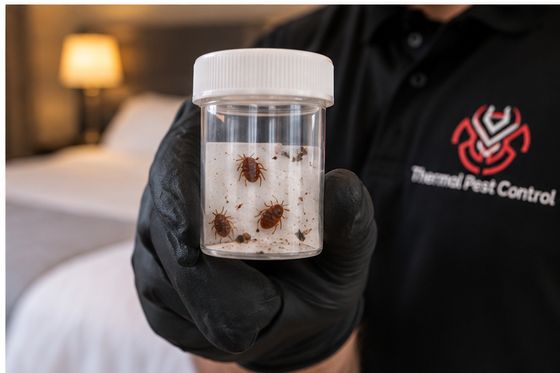
Bedbug Treatment for Care Homes
Treating around a resident who cannot easily move, and why heat is often the wrong answer.
Read more →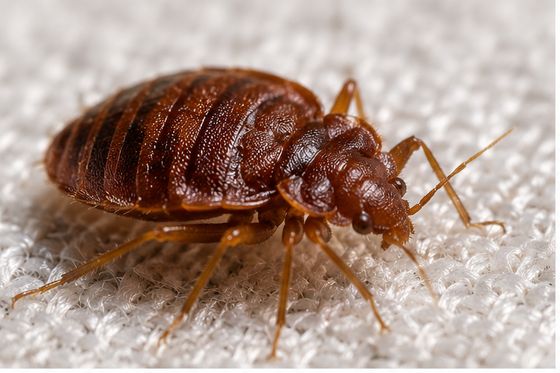
Can Bedbugs Spread Through an Office?
What an office 'infestation' turns out to be when somebody actually investigates it.
Read more →Bedbug Control Across Hackney
Each area page is written around one situation we deal with.
Tell Us About the Property
Tell us what kind of space it is, where the seating is and when you are closed, and we will call back.