
- The Egg
- Five Nymph Stages
- The Adult
- Why the Cycle Decides How Treatment Is Planned
- What This Means Day to Day
There are three phases in a bedbug’s life: the egg, the nymph and the adult. There is no larva and no cocoon. A young bedbug looks like a small, pale version of its parents and lives in the same places, feeding on the same person. That simplicity is part of why a household can go from a few bugs to a real problem without noticing when it happened.
The Egg
A female lays her eggs a few at a time, every day or so, in the same cracks and seams where the adults shelter. Each egg is about the size of a pinhead, milky white, and glued to whatever it was laid on: the underside of a slat, the stitching of a mattress, the back of a headboard. It does not brush off easily.
In a warm home the eggs hatch in around one to two weeks. In a cold room it takes longer. This is the stage that matters most for treatment, because an egg does not feed, does not move and is well protected by its shell.
Five Nymph Stages
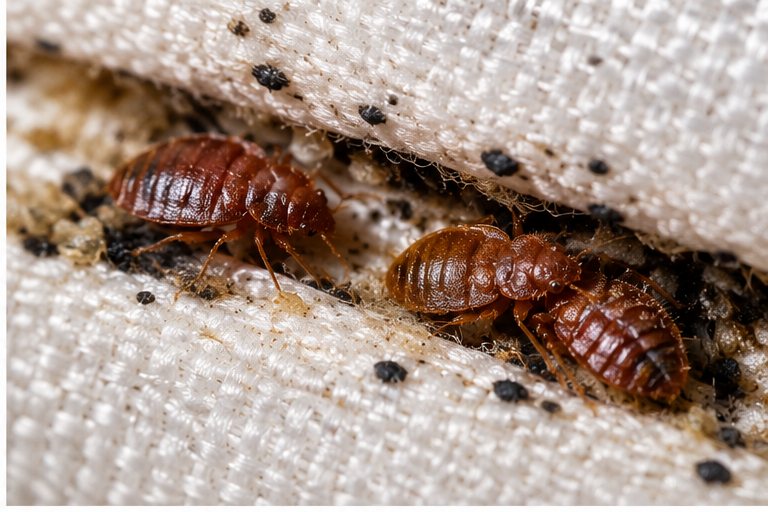
What hatches is a nymph: tiny, almost colourless and able to walk straight away. It goes through five stages, and between each one it sheds its skin. It cannot moult without a full blood meal first, so a nymph has to find a sleeping person and feed at least five times before it becomes an adult.
Each stage is a little bigger and a little darker than the last. The shed skins are left behind in the hiding place: pale, hollow, bug-shaped husks that are often the first thing people find when they strip a bed. If you see several of them in different sizes, the bugs have been breeding for a while.
The Adult
An adult is about the size of an apple seed, flat when hungry and swollen after feeding. Adults mate, the females lay, and the cycle starts again. In a heated home the whole journey from egg to egg-laying adult can take somewhere around five or six weeks, longer if the room is cold or feeding is hard to come by.
Adults can also go a long time between meals, which is why an empty room or a stored piece of furniture is not automatically clear just because nobody has slept near it. In a borough where rooms stand empty between tenants and furniture changes hands often, that is worth knowing.
Why the Cycle Decides How Treatment Is Planned
Everything about treatment timing comes back to the egg. A chemical treatment puts a residual insecticide where the bugs live. It deals with nymphs and adults that cross it, but it does not reliably kill eggs. So a second visit is booked for after those eggs have hatched and before the new nymphs are old enough to lay. That is where the gap of about 10 to 14 days comes from, and why a third visit is sometimes needed.
Heat works differently. The whole room is raised to a temperature bedbugs cannot survive and held there, and eggs die along with everything else, so it is usually one visit. The Hackney heat treatment page and the chemical treatment page explain what each asks of a household.
What This Means Day to Day
- Seeing nothing for a week after a chemical visit does not mean it is over. Eggs laid before the visit can still hatch.
- Keep sleeping in the same bed. A person in the bed draws hatching nymphs across the treated surfaces.
- Do not skip the second visit because things seem quiet.
- If bugs keep turning up well after the course has finished, say so. Our London guide on why bedbugs reappear after treatment covers the usual reasons.
For help telling the stages apart by eye, see what colour are bedbugs. For how the problem gets into a home in the first place, the Hackney bedbug page covers the routes.
Related Questions
How long do bedbugs live?
Adults can live for several months, and longer in a cool room. They can survive long gaps without feeding, so an empty room is not necessarily a clear one.
Can I see bedbug eggs?
Just about. They are tiny, pale and stuck into seams and cracks, so a torch and a magnifying glass help. Shed skins and dark spotting are usually easier to find.
Why do I need two chemical visits?
Because the insecticide does not reliably kill eggs. The second visit catches the nymphs that hatch after the first, before they grow up and lay eggs of their own.
Does one bedbug mean an infestation?
Not always, but a single female that has already mated can start one. Check the bed carefully and call us on 0800 955 1018 if you find anything else.
More Bedbug Advice for Hackney
Written up in full for people in the borough, and worth reading before the treatment day.
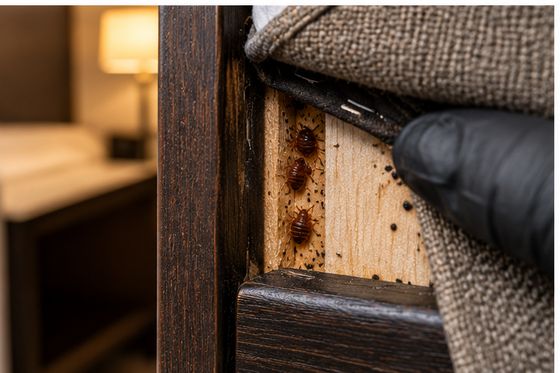
Wicker, Rattan and Vintage Furniture
How to check a woven or old piece before it comes in, and whether to treat it or let it go.
Read more →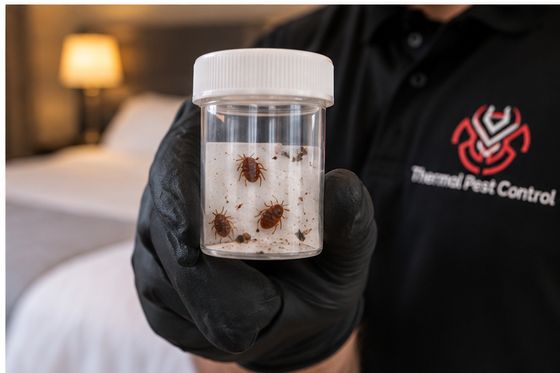
Parcels and Deliveries
The realistic risk from boxes, returns and furniture deliveries, and what is worth checking.
Read more →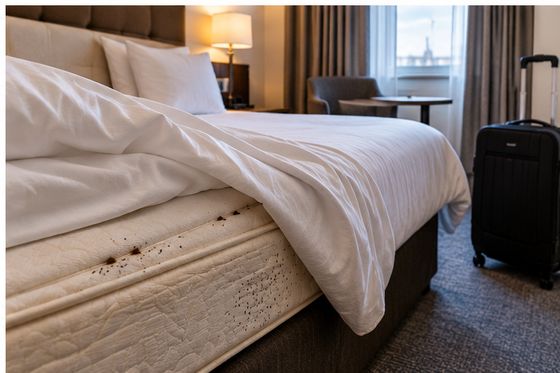
Bedbugs in a Short Let
Finding them where you are staying, telling the host, and getting home without them.
Read more →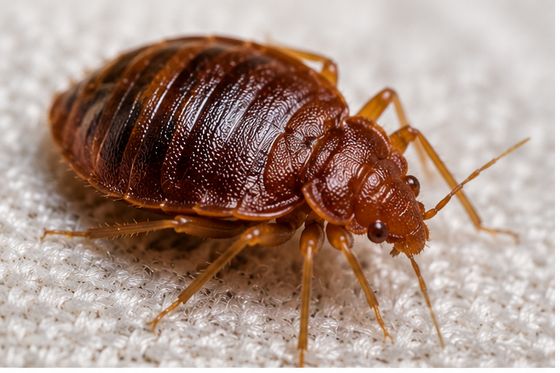
What Colour Are Bedbugs?
Pale nymphs, brown adults, red after a meal, and why the colour changes so much.
Read more →Bedbug Control Across Hackney
Each area page is written around one situation we deal with.
Bedbug Treatments in Hackney
Every service has its own page for Hackney: heat, chemical, hotels, commercial premises and inspections.
Tell Us About the Property
Tell us what you have seen and where, and we will tell you what it needs.