

A Course You Live Through
Chemical treatment puts a residual insecticide where bedbugs shelter: seams, frames, joints and skirtings. It does not reliably kill eggs, so the job is planned as two visits, occasionally three, roughly 10 to 14 days apart. The London chemical treatment page has the full explanation of the method. Here we stick to the practical side of a flat in a block, where you are not going anywhere between visits.
If you want to know why the gap is that length, The Life Cycle of a Bedbug explains how long eggs take to hatch and what the young ones need before they grow.
Getting Ready in a Compact Flat
Estate flats and newer flats tend to have fitted wardrobes, not much storage and beds pushed into corners. Before the first visit, strip the beds and hot-wash the bedding, bag clean laundry and clear the floor, especially along the skirtings and under the bed. Leave the furniture where it is; we move what needs moving.
- Tell us the floor, whether there is a lift, and how the door entry works.
- If a fitted wardrobe backs onto the bedroom wall, empty the bottom of it so we can reach the edge.
- Put a sofa bed or fold-out chair in its sleeping position, so the mechanism is open.
- Keep children and pets out of the treated rooms until the surfaces are dry.
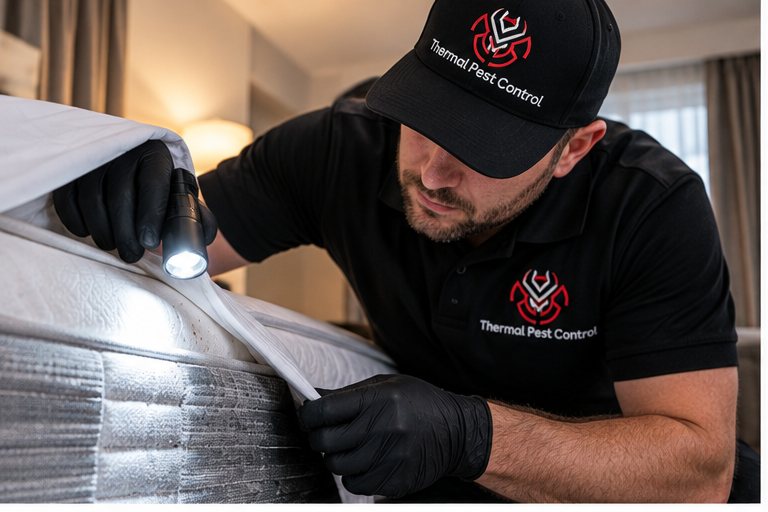
The Fortnight Between Visits
This is the stretch people find hardest, because bites can carry on for a while. Eggs that were already laid hatch over those days, and the young bugs have to cross treated surfaces to feed. That is the point of the course, not a sign it has failed.
- Keep sleeping in your own bed. An empty bed sends the bugs looking elsewhere, including the sofa and the flat next door.
- Do not vacuum or wipe along the skirtings and bed frame until after the second visit.
- Pull the bed a little away from the wall and keep bedding off the floor.
- Wash and dry clothes hot as you wear them, and keep clean ones bagged.
- Do not bring in second-hand furniture, and do not buy a new mattress yet.
- Write down where and when you see live bugs, so the technician knows where to look.
For skin reactions, a pharmacist or GP can advise. Ring 999 if anyone shows signs of a severe allergic reaction.
Landings, Chutes and the Bin Store
Anything you decide to get rid of should be wrapped and sealed before it leaves the flat, and taken straight out rather than left on the landing or pushed down a chute. We advise against throwing out a bed or mattress before treatment unless we have said so. If you come across someone else’s furniture dumped in the stairwell, the Hoxton page covers what to do about it.
Council Tenant, Housing Association or Leaseholder
In a block, the question of who arranges treatment comes up early. Tenants should report bedbugs to the landlord or housing officer in writing and keep a copy. Leaseholders generally arrange it for their own flat. Who ends up paying depends on the tenancy and on how they got in, and we are pest controllers, not legal advisers. What we can give you is a clear note of what we found and what we did on each visit.
Flats either side, above and below share pipes and walls with you. It is worth letting close neighbours know so they can look at their own beds, and they are welcome to call us direct.
When Two Visits Are Not Enough
At the second visit the technician checks the harbourages again. If live bugs are still turning up, a third visit is booked about the same interval later. If the problem has reached most rooms or keeps returning, heat may be the better route, and the Hackney heat treatment page sets out how a whole flat is done in a day.
Treatments start from £220 and chemical is the lower-cost option. Ring 0800 955 1018 with the number of rooms and we tell you the figure on the call. The Hackney bedbug control page covers the rest.
← Bedbug Control Hackney · Bedbug Chemical Treatment London, in full
Bedbug Chemical Treatment Hackney — Questions
Can I stay in my flat during chemical treatment?
Yes. You leave the treated rooms while we work and until the surfaces are dry, which is usually a few hours. After that you carry on living there.
Why am I still getting bitten after the first visit?
Eggs laid before treatment keep hatching for a while. The young bugs pick up the residue as they come out to feed, which is why the second visit is part of the plan.
Should I sleep on the sofa until it is finished?
No. Sleeping somewhere else usually spreads them. Stay in your own bed so they keep crossing the treated areas.
Does my housing officer need to know?
If you rent, report the bedbugs in writing to your landlord or housing officer. Who arranges and pays depends on your tenancy and the cause.
How long does each visit take?
One to two hours, depending on the number of rooms and how much furniture there is.
How much is chemical treatment for a two-bedroom flat?
Treatments start from £220. We give you the exact price on the phone once we know how many rooms are involved.
Bedbug Treatments in Hackney
Every service has its own page for Hackney: heat, chemical, hotels, commercial premises and inspections.
Chemical Treatment Advice
The guides that go into bedbug chemical treatment in more depth.
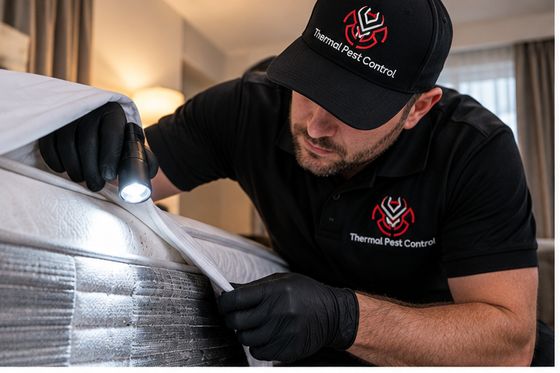
How Professional Chemical Treatment Works
What is actually in a professional treatment, and why it is not the tin from the hardware shop.
Read more →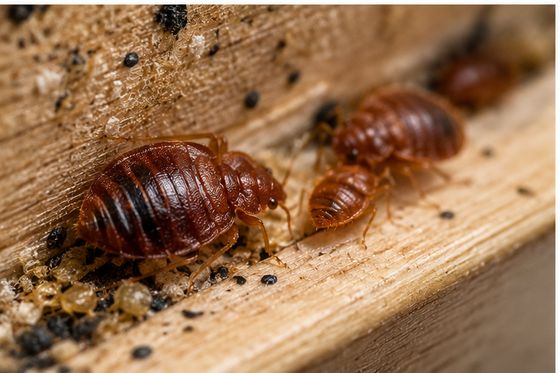
How Many Treatments Does It Take?
The bedbug life cycle sets the number, not the pest controller. Here is the timetable.
Read more →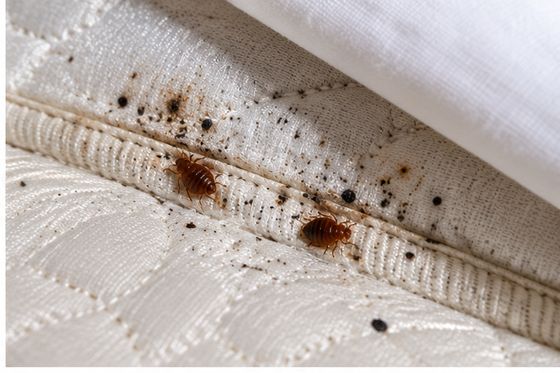
What Happens After the Treatment
Day one to week six, what you will actually see, and when to stop worrying.
Read more →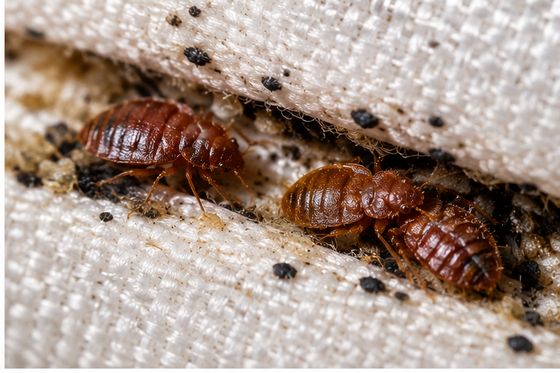
Why Bedbugs Reappear After Treatment
Hatching, survival or re-introduction. Three different problems that look identical.
Read more →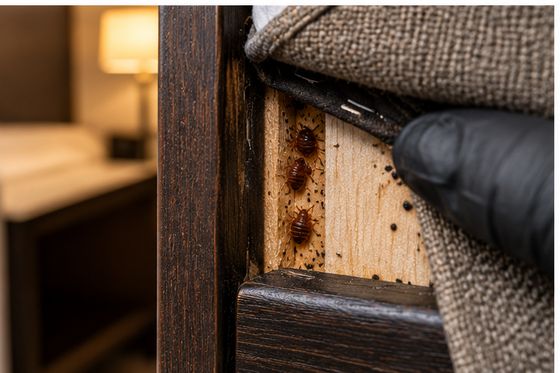
Where Pest Controllers Actually Treat
Why bedbugs choose the places they do, and the places we deliberately leave alone.
Read more →Bedbug Control Across Hackney
Each area page is written around one situation we deal with.
Tell Us About the Property
Give us your floor, the number of rooms and when you are usually in, and we will ring with a price and dates.