
- Where to Look on a Bunk Bed
- Cabin Beds and Under-Bed Storage
- Two Sleepers in One Frame
- How Treatment Works on These Beds
- Should You Take It Apart Yourself?
A standard bed has four corners, a headboard and a mattress. A bunk bed has two of most of those, plus a ladder, guard rails and a lot of bolted joints. A cabin bed adds drawers, shelves or a desk underneath. Every extra joint is a crack a bedbug can use, and every drawer is somewhere they can shelter close to a sleeper.
Where to Look on a Bunk Bed
- The bolt holes and brackets where the posts meet the rails, top and bottom.
- The ends of the slats and the ledge they rest on.
- The seams and piping of both mattresses.
- The rungs of the ladder where they join the frame.
- The guard rail fixings on the top bunk.
- The underside of the top bunk, directly above the bottom sleeper’s head.
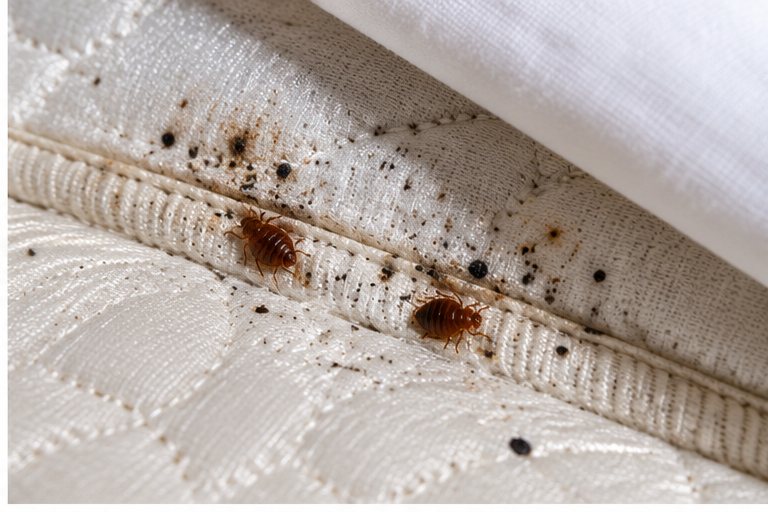
That last one is easy to miss. The underside of the upper bed is dark, close to the lower sleeper and rarely looked at. Shine a torch up at it with the bottom mattress pulled back.
Cabin Beds and Under-Bed Storage
Cabin beds and high sleepers often have drawers, cupboards or a desk built in below. In a small room these are where toys, clothes and spare bedding are kept, and they sit right under the sleeper. Empty the drawers, check the runners and the corners, and look at the back panel where it meets the frame.
What comes out of the drawers should be bagged and washed or tumble-dried hot if it can take it. Non-washable things stay sealed in a bag on a hard floor until treatment is done.
Two Sleepers in One Frame
When two people share a bunk bed, bites on one of them usually mean both beds need treating. The frame is one piece of furniture, the bugs can move between levels through it, and the person in the bottom bunk may simply not react to bites. Do not move one child out of the bunk to protect them; that tends to take bedbugs to a second room.
The same goes for guests using a spare bunk. Having visitors while you have bedbugs covers when to put overnight stays off.
How Treatment Works on These Beds
With chemical treatment, we work the product into the joints, bolt holes, slat ends and ladder fixings, and into the drawers and frame of a cabin bed. We may take a bed partly apart to get at the joints. Strip both beds before the visit and clear the floor around them.
Heat reaches into the joints and hollow sections without dismantling, which is one reason people choose it for these beds. The room is raised to a temperature bedbugs cannot survive, the thermal camera checks for cold spots, including high up by the top bunk and low down in the storage, and the eggs die with the bugs. See the Islington heat treatment page for what heating a flat in a shared building involves.
Should You Take It Apart Yourself?
Please do not dismantle it and carry the pieces out of the room before treatment. Moving the parts through the flat can spread bedbugs, and a bed in bits is harder to treat properly than one left standing. If you want to replace it afterwards, that is your choice, but let the treatment happen first. The London guide to where pest controllers treat explains which parts of a room we work on.
Related Questions
Only the child on the top bunk has bites. Does the bottom bunk need treating?
Almost always yes. It is one frame, bedbugs move through it, and the lower sleeper may just not react.
Can a metal bunk bed have bedbugs?
Yes. Metal frames have hollow tubes, bolt holes and brackets where they can hide, and the mattresses are the same whatever the frame.
Do I need to take the bunk bed apart before you come?
No. Leave it standing. If a joint needs opening up for chemical treatment, we will do it on the day.
What about the things in the cabin bed drawers?
Bag them, wash or tumble-dry what can take the heat, and keep the rest sealed on a hard floor until treatment is finished.
More Bedbug Advice for Islington
Written up in full for people in the borough, and worth reading before the treatment day.
Why Bedbugs Seem More Common
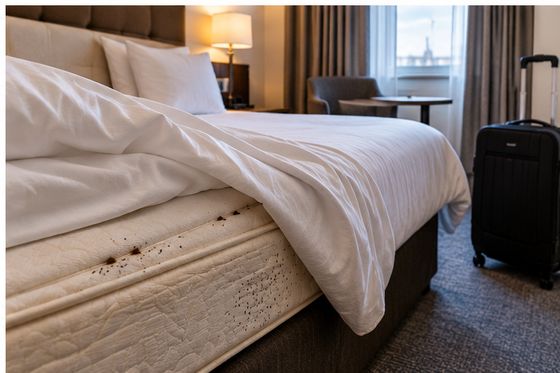
Travel, second-hand trade, shared buildings and shop sprays that stopped working.
Read more →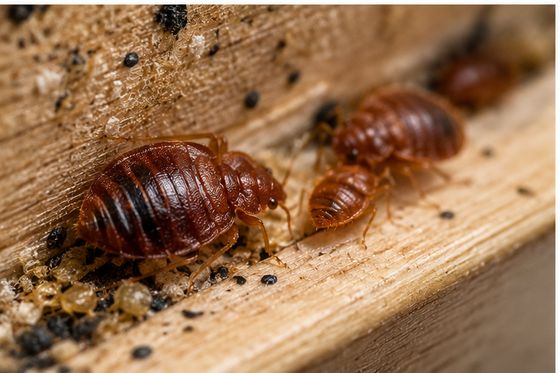
Bedbugs and Leather Furniture
Why the smooth hide matters less than the seams, buttons and the frame underneath.
Read more →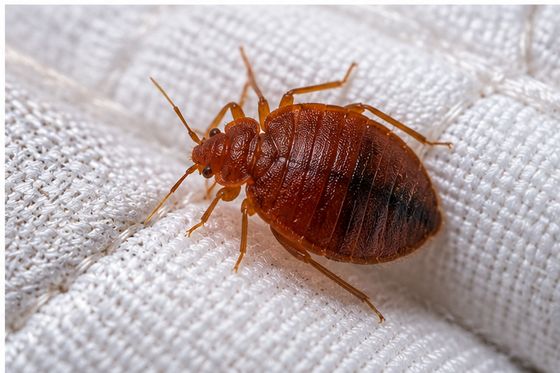
Having Visitors While You Have Bedbugs
Whether to put guests off, what to say, where their coats go, and when to invite them back.
Read more →
Can Bedbugs Live in Shoes?
How likely it really is, the rack by the bed, trainers and slippers, and what to do.
Read more →Bedbug Control Across Islington
Each area page is written around one situation we deal with.
Bedbug Treatments in Islington
Every service has its own page for Islington: heat, chemical, hotels, commercial premises and inspections.
Tell Us About the Property
Tell us what you have seen and where, and we will tell you what it needs.