
- What Detection Dogs Are Used For
- Where Dogs Fall Short
- How a Visual Inspection Compares
- When a Dog Might Make Sense for You
- What to Do Instead of Waiting for a Dog
Some pest control firms offer detection dogs, trained to pick up the scent of bedbugs and to sit or point when they find it. We do not use dogs ourselves; our inspections are visual. This guide sets out, as fairly as we can, what a dog can and cannot tell you, so you can decide what is worth paying for.
What Detection Dogs Are Used For
The strength of a dog is covering ground. A trained dog and handler can move through a long corridor of rooms far faster than a person taking apart every bed. That is why dogs are mostly used where there are many rooms and no known problem in most of them: hotels, halls of residence, blocks of flats, offices and cinemas.
In those settings, a dog is a way of deciding where to look closely. A room it passes goes to the bottom of the list; a room where it alerts gets a proper visual check. Used like that, as a first sift, a good dog saves a lot of time.
Where Dogs Fall Short
An alert is an opinion, not a finding. The dog is telling its handler it smells something, and there is no way to see what it smelled until a person finds the insect, the eggs or the spotting. Several things affect how reliable that opinion is.
- Training and upkeep. A dog needs continued practice to stay sharp, and standards vary between handlers.
- Old traces. Scent can linger after bedbugs are dead, for example after a treatment, which can lead to alerts where nothing is alive.
- Handler cues. Dogs read their handlers closely, and a handler who expects a find can nudge the dog without meaning to.
- Tiring. A dog working through many rooms will not be equally sharp at the end as at the start.
- Distractions. Food, other pets and strong smells in a busy house can all pull a dog off task.
None of this means dogs do not work. It means an alert needs checking by eye before anybody pays for treatment, and a pass is not a promise.
How a Visual Inspection Compares
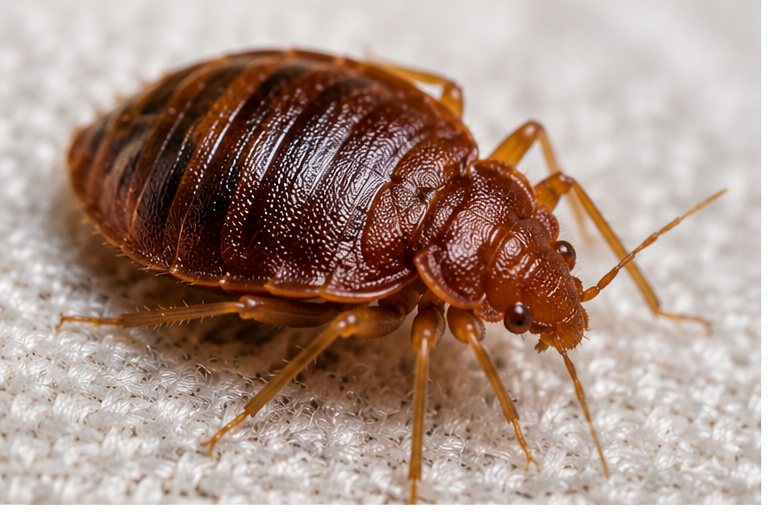
A visual inspection is slower per room, but it ends with something you can see. The person doing it takes apart the bed, runs a card and torch along seams and joints, looks behind headboards, along skirtings and into nearby furniture, and shows you what they find.
In a family house, where there are only a few bedrooms and usually one of them is the concern, speed does not buy you much. What you want to know is whether you have bedbugs, how far they have spread and what it will take to deal with them. A person answers all three in one visit. Our London guide to what happens during an inspection walks through it.
When a Dog Might Make Sense for You
If you are responsible for a large number of rooms, such as a guest house or a building of flats, a dog to sift rooms before closer checks can be sensible, as long as every alert is followed by a visual one. For guest accommodation in the borough, see hotel treatment in Merton.
For a house with a handful of bedrooms and a known problem room, paying for a dog as well as a visual check is usually money spent twice. If you have already had a dog through and it alerted, keep sleeping in your own bed and book a visual check to confirm what it found.
What to Do Instead of Waiting for a Dog
If you think you have bedbugs, you do not need to wait for anyone before looking. The guide to UV torches and what works better explains the torch and card check you can do tonight. If you want certainty, an inspection starts from £120 and tells you what you are dealing with before treatment is booked.
Related Questions
Do you offer sniffer dog inspections?
No. Our inspections are visual, carried out by a person who takes the bed apart and shows you what they find.
Can a dog tell the difference between live and dead bedbugs?
Not reliably. Scent can remain after bedbugs have died, so an alert after a treatment needs checking by eye before anyone assumes they are back.
The dog did not alert. Can I stop worrying?
A pass is useful but not a promise. If you still have fresh bites or see spotting, have the bed checked visually.
Is a dog quicker than a person?
Across many rooms, yes. In a house with a few bedrooms, the difference is small, and a visual check tells you more.
More Bedbug Advice for Merton
Written up in full for people in the borough, and worth reading before the treatment day.
Do UV Torches Show Bedbugs?
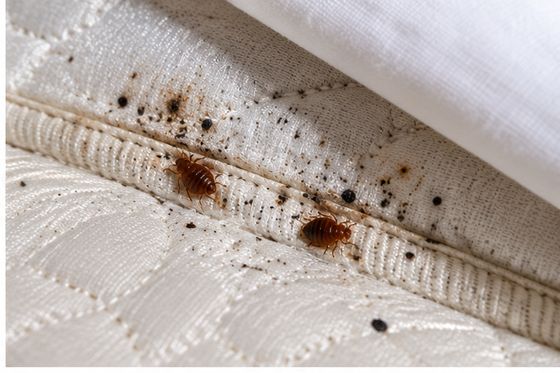
What ultraviolet light shows in a bedroom, what it misses, and the simple kit that does the job.
Read more →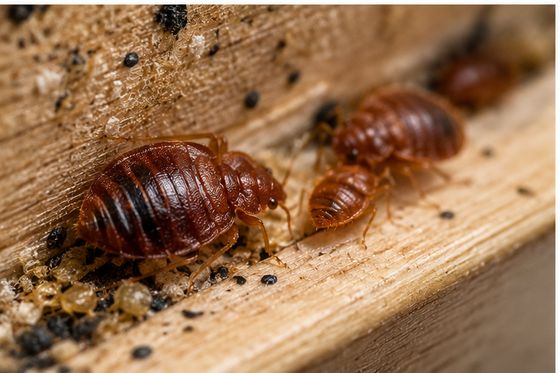
Behind Radiators and Pipes
Radiator brackets and pipe gaps as routes between rooms, how to check them, and how treatment covers them.
Read more →
Can Bedbugs Live in the Loft?
Why an unused loft is an unlikely home, why a loft bedroom is not, and what to do with stored bags.
Read more →
From First Bite to All Clear
The usual order of events, from the first bite to a finished treatment, and what happens at each stage.
Read more →Bedbug Control Across Merton
Each area page is written around one situation we deal with.
Bedbug Treatments in Merton
Every service has its own page for Merton: heat, chemical, hotels, commercial premises and inspections.
Tell Us About the Property
Tell us what you have seen and where, and we will tell you what it needs.