
- Stage One: Something Is Not Right
- Stage Two: Confirming It
- Stage Three: Choosing and Booking
- Stage Four: The Days Before the Visit
- Stage Five: Treatment
- Stage Six: Between and After Visits
- Stage Seven: The All Clear
A bedbug problem runs in stages. The length of each depends on how early it was noticed, how many rooms are involved and which treatment you choose. The outline below is typical rather than fixed, and we will tell you where yours differs.
Stage One: Something Is Not Right
It usually starts with bites that were not there before, often in lines or small groups on the arms, neck or shoulders. Bites vary a lot, and some people in the same bed never react, so one partner can be covered while the other has nothing. Next comes spotting on the sheets or mattress seams, or a small brown insect in the bed.
What helps at this point is evidence: catch a bug, photograph the spotting and keep sleeping in the same bed. The London guide on the early signs shows what to look for. For itching or skin reactions a pharmacist or GP can help; call 999 for signs of a severe allergic reaction.
Stage Two: Confirming It
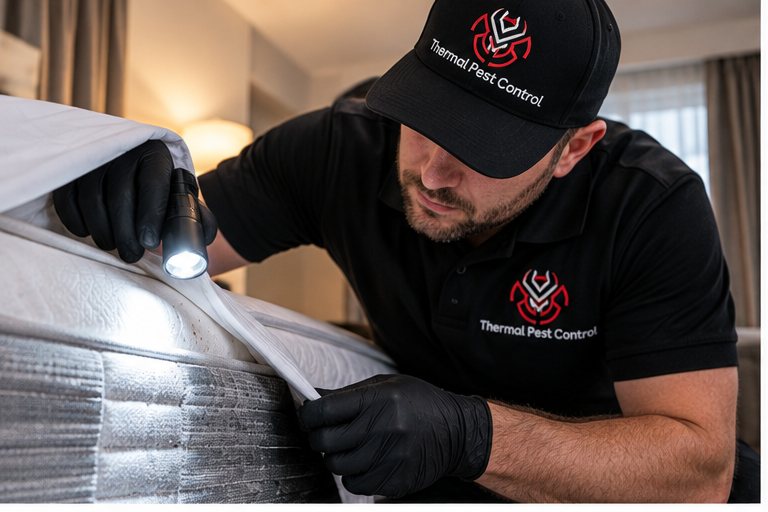
If the insect is clearly a bedbug, you can go straight to booking. If you are not sure, an inspection from £120 confirms it and shows how far it has spread. Checking with a UV torch or waiting for a sniffer dog tends to add delay without adding much certainty.
Stage Three: Choosing and Booking
On the phone we go through the rooms, who sleeps where, and whether heat or chemical suits the household. You get the price for your rooms before anything is booked; treatments start from £220. Then the date is set.
Stage Four: The Days Before the Visit
This is the preparation stage. For chemical, it means stripping and hot-washing bedding and clearing the floor, while leaving furniture where it is. For heat, it means taking out aerosols, candles, medication, vinyl, plants and some electronics, and arranging for people and pets to be out for most of the day. Carry on sleeping in your own bed.
Stage Five: Treatment
Here the two routes separate.
- Heat: usually a single visit lasting most of a day. The room is held at a temperature bedbugs cannot survive, eggs included, and checked with a thermal camera. You are back in once it has cooled.
- Chemical: a first visit of one to two hours, with residual insecticide in seams, frames and skirtings. You are back in the room once it is dry. Because eggs are not reliably killed, a second visit follows about 10 to 14 days later, and sometimes a third.
The borough pages on heat and chemical treatment go into how each looks in a typical house here.
Stage Six: Between and After Visits
With chemical, it is normal to see the odd bug in the days after a visit, usually newly hatched ones crossing treated surfaces. Keep sleeping in the bed, because you draw them onto the residual. After heat, there should be no living bugs left in the treated room. Either way, avoid shop sprays and do not move furniture about. The London guide on how many treatments explains the visit count in more depth.
Stage Seven: The All Clear
The all clear is not a moment on the day of the last visit. It is the weeks afterwards passing with no new bites, no fresh spotting and no live bugs. Old spotting on a mattress stays, so wipe it or note where it is to tell new marks from old ones. If anything new appears, call rather than waiting; the London guide on what happens after treatment covers this stage.
Related Questions
How long does the whole thing take?
With heat, the treatment itself is usually one day. With chemical, two or three visits about 10 to 14 days apart. The all clear comes after some weeks with no new signs.
Is it normal to still get bitten after the first chemical visit?
Some bites or the odd bug between visits is normal, as eggs hatch and the young cross the treated surfaces. Tell us if it seems to be getting worse.
When can we stop worrying?
Once several weeks have passed after the final visit with no new bites, spotting or live bugs. If you are unsure, a follow-up check can settle it.
Can we speed it up?
Heat is the quickest route because it usually needs one visit. Calling early, keeping everyone in their own beds and preparing properly also keep it short.
More Bedbug Advice for Merton
Written up in full for people in the borough, and worth reading before the treatment day.
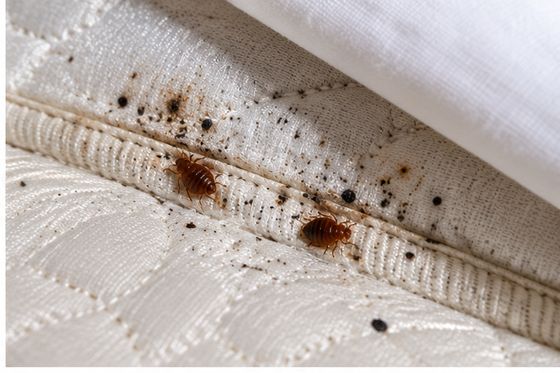
Do UV Torches Show Bedbugs?
What ultraviolet light shows in a bedroom, what it misses, and the simple kit that does the job.
Read more →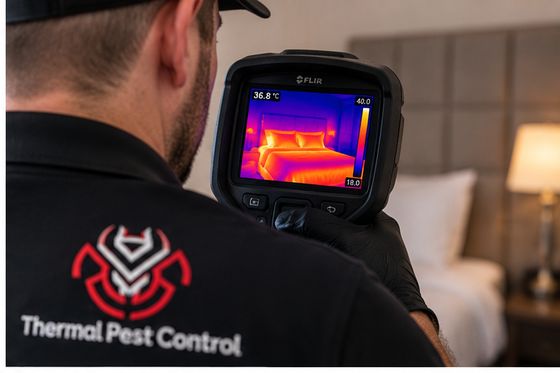
Do Bedbug Sniffer Dogs Work?
What detection dogs are good at, where they fall short, and when a close visual check is the better choice.
Read more →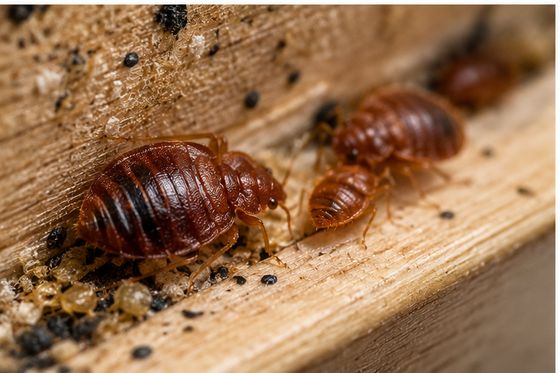
Behind Radiators and Pipes
Radiator brackets and pipe gaps as routes between rooms, how to check them, and how treatment covers them.
Read more →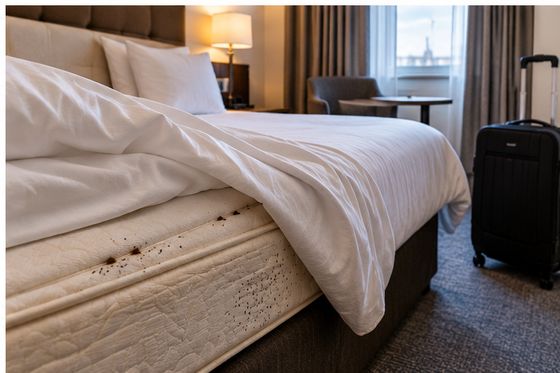
Can Bedbugs Live in the Loft?
Why an unused loft is an unlikely home, why a loft bedroom is not, and what to do with stored bags.
Read more →Bedbug Control Across Merton
Each area page is written around one situation we deal with.
Bedbug Treatments in Merton
Every service has its own page for Merton: heat, chemical, hotels, commercial premises and inspections.
Tell Us About the Property
Tell us what you have seen and where, and we will tell you what it needs.