

Turnover Changes the Question
In a house, the first question is where the bedbugs came from. In a busy hotel that question rarely has a useful answer. A room let to a different guest most nights has had dozens of suitcases through it in a month, and chasing one booking wastes time better spent on the rooms themselves.
The useful questions are narrower. Which rooms share walls, ceilings, pipe runs or a housekeeping trolley with the one reported? Which of those have been let since, and to whom? And which can be looked at before they are let again? The London hotel bedbug treatment page sets out the first hour after a report for the full explanation; what follows is for properties where the rooms turn over fastest.
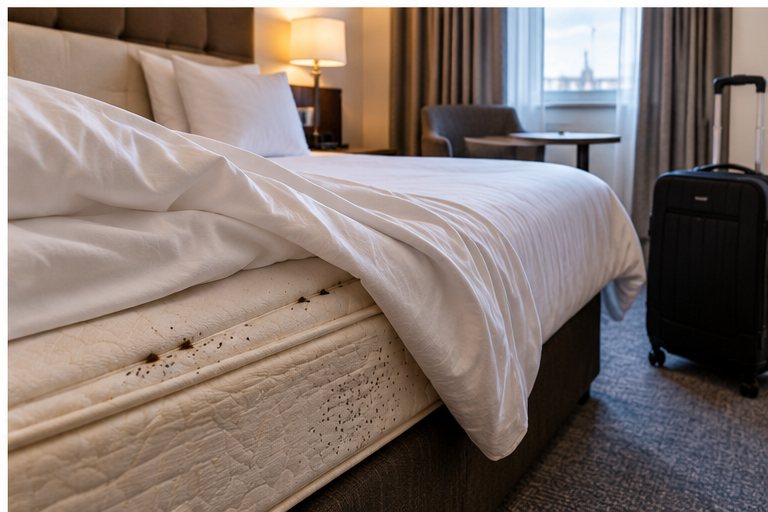
Using the Changeover Window
Every hotel has a gap between check-out and check-in. On a heat job that window matters: heat takes most of a day and the room can be let again once it has cooled. When you ring, have these to hand so we can plan round your bookings:
- The room number reported and the date of the report.
- The rooms above, below and either side, and whether they are occupied tonight.
- Whether the reported guest moved rooms, and where their luggage went.
- How many rooms you can take out of sale at once without turning guests away.
Chemical treatment keeps rooms out of use for less time per visit, but brings a technician back in for a second and sometimes third visit. For a room let most nights, that usually costs more in lost bookings than the price difference saves. The borough pages for heat and chemical treatment in Westminster set out what each asks of a room.
Housekeeping Is the Early Warning
In a high-turnover property the people most likely to spot bedbugs early are the room attendants, because they see every bed every day. A short, repeated habit at each change catches far more than an occasional deep check:
- Lift the corner of the mattress at the head end and look along the seam and piping.
- Glance at the headboard edge where it meets the wall.
- Check the luggage rack joints and straps, which see more suitcases than anything else in the room.
- If anything looks like dark spotting or a live insect, stop, close the room and tell the duty manager. Do not strip it.
Attendants who move between floors carry linen and trolleys from room to room. Bagging linen in the room it came from is one of the simplest ways to stop one report turning into several.
Keep a simple log of anything found: room number, date, what was seen and who saw it. In a hotel where rooms change hands every day, a pattern across a corridor or a stack of rooms above one another is often the first sign that the problem is in the building rather than in one guest’s luggage, and it tells us where to start looking.
Staff Who Live In
Some hotels house staff in accommodation of their own nearby or on site. Bedbugs can move between those rooms and the guest floors on uniforms, bags and laundry. The Paddington page deals with staff accommodation directly. Guests arriving by long-distance coach bring luggage that has spent hours in a hold, and the Victoria page covers what that means for the traveller.
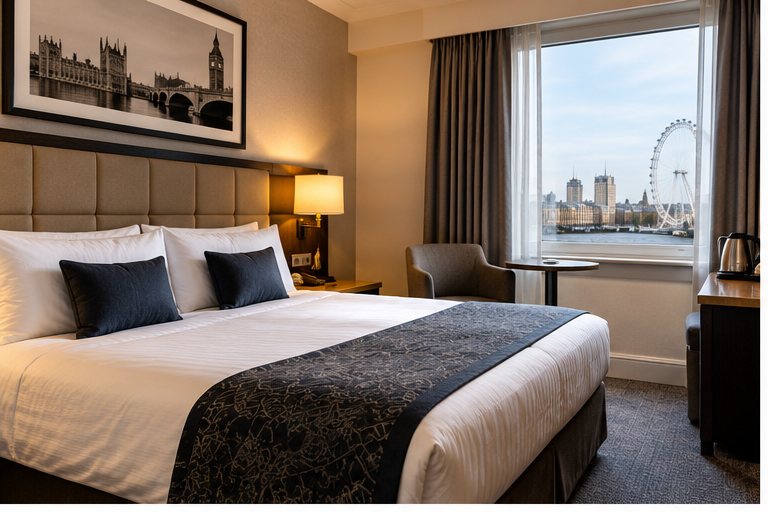
Checks Between Reports
A property with rooms turning over every day may be better served by planned inspections than by waiting for a guest to find something. Inspections start from £120, and a set of rooms is quoted on the number involved. Ask when you ring about how often checks would make sense for the size of your hotel; we would rather size it honestly than sell you a schedule you do not need.
For treatment, the price depends on how many rooms are involved and whether they are heated or treated chemically. Treatments start from £220, and the figure comes on 0800 955 1018 before anything is booked. The Westminster bedbug control page covers how bedbugs move between hotels and homes in central London.
← Bedbug Control Westminster · Hotel Bedbug Treatment London, in full
Hotel Bedbug Treatment Westminster — Questions
Can the room be let again tonight after heat treatment?
Once it has cooled, the room can be used again that evening. Heat takes most of a day, so plan the booking around it.
Should we check the rooms next to the one reported?
Yes, including the rooms above and below. They share walls, ceilings and pipe runs, and in a busy hotel they have had their own guests since.
Can we find out which guest brought them?
Rarely, in a room with daily turnover, and it is not usually worth the effort. Time is better spent checking and treating the rooms involved.
What should housekeeping do if they find something?
Stop, close the room and tell the duty manager. Do not strip the bed or clean the room before it has been looked at.
How is hotel work priced?
On the rooms involved and the treatment chosen. Treatments start from £220 and inspections from £120; you get the figure on the phone first.
Bedbug Treatments in Westminster
Every service has its own page for Westminster: heat, chemical, hotels, commercial premises and inspections.
Hotel Advice
The guides that go into hotel bedbug treatment in more depth.
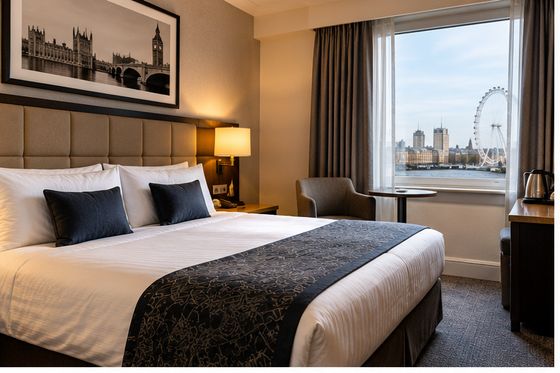
When a Guest Reports Bedbugs
Handling the person, not the room. The conversation, the offer, and the review that follows.
Read more →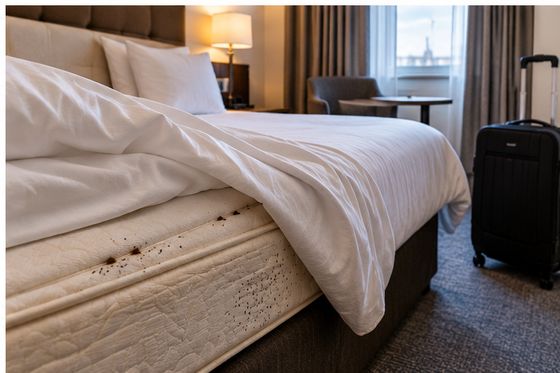
Treating Without Closing the Hotel
The practical logistics of working inside a live hotel, from access routes to fire alarms.
Read more →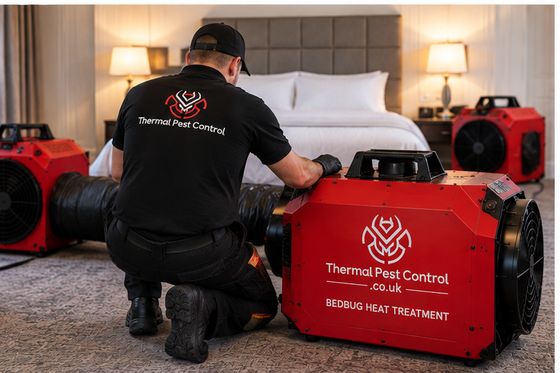
Putting the Room Back Into Service
Not how fast it can go back on sale, but how you satisfy yourself it should.
Read more →
The Ninety-Second Housekeeping Check
A trainable routine your room attendants can run between every stay.
Read more →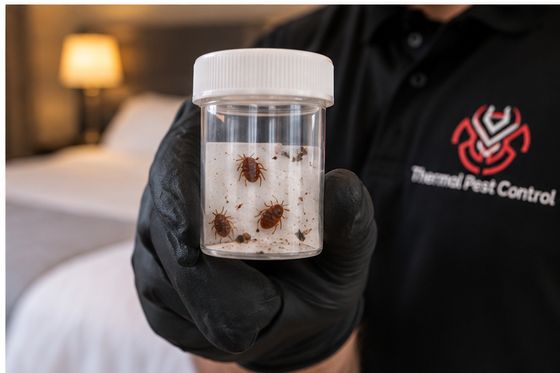
Stopping Them Spreading Between Rooms
Linen, trolleys, vacuums, uniforms and voids. The five routes, and how each is closed.
Read more →Bedbug Control Across Westminster
Each area page is written around one situation we deal with.
Tell Us About the Property
Tell us the room reported, the rooms around it and how busy you are this week.