

Why Chemical Fits an Estate Flat
An estate flat shares walls, floors, service risers and landings with other homes. Heat clears a flat in a day but leaves nothing behind once it cools, so anything that walks in afterwards meets an ordinary room. A residual insecticide stays in the seams, frames and skirting for a period, which is what you want where the neighbours may not have been treated yet.
How the product works, and why it takes more than one visit to catch the eggs as they hatch, is on the London chemical treatment page for the full explanation. Here we deal with making the course work in a block.
If your block has district heating pipes running between flats, the Pimlico page explains why the pipe runs matter and what to look at around them.
Before Anyone Books: Your Landlord and the Neighbours
If you rent from the council or a housing association, report the problem in writing before you pay for anything yourself. Who arranges and pays depends on your tenancy and on the cause, and the landlord may already be dealing with other flats in the block. We are pest controllers, not legal advisers, so we cannot tell you who is liable, but a dated email or letter protects your position either way.
- Say which rooms are affected and when you first noticed bites or spotting.
- Ask whether neighbouring flats have reported anything. The answer changes what treatment makes sense.
- Keep a copy of every message, and note the date of any visit.
- If you own your flat on lease, ask the managing agent too, since shared parts are theirs to deal with.
If you would rather have evidence before you write, an inspection in Westminster starts from £120 and confirms whether it is bedbugs.
Keeping the Second Visit
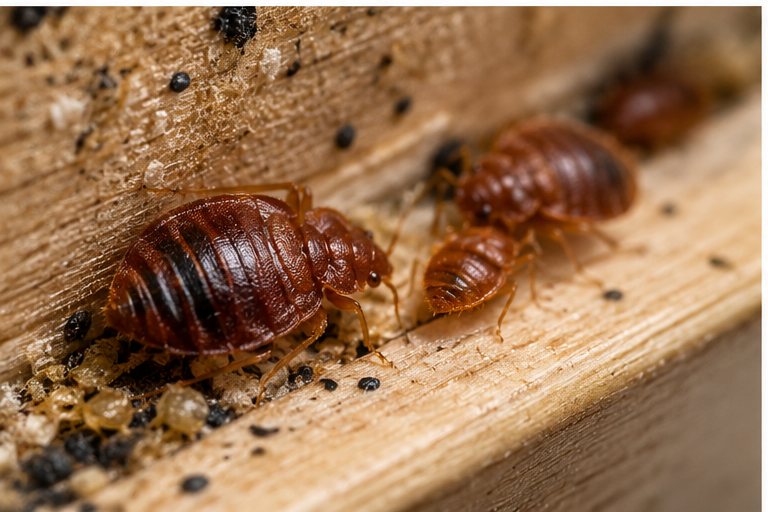
Courses fail most often for a simple reason: the second visit does not happen on time. The eggs that survived the first visit hatch in the following days, and the young bedbugs have to cross the treated surfaces before they breed. A second visit around ten to fourteen days later tops up the edges before that window closes. Sometimes a third is needed.
- Book both dates at the first visit, not after it.
- If the block has a door entry system or a concierge, make sure the technician can get in on each date.
- If you work shifts, tell us before booking. One to two hours at home is needed each time.
- If a date has to move, ring straight away rather than letting the gap stretch.
Living in the Flat Between Visits
You can use the treated rooms again once the surfaces are dry, and you should keep sleeping in your own bed. Moving onto the sofa or into a child’s room is the easiest way to spread bedbugs to a second room, and it takes you away from the treated area the bugs need to cross.
- Before each visit, strip the beds and hot-wash the bedding; clear the floors of bags, shoes and boxes.
- Do not wipe or mop along the skirting between visits; that is where the product is working.
- Keep the bin bags of clothing in the affected room until they go straight to the wash.
- Do not carry a mattress or bed down to the bin store. Moving it through the landings and lift spreads them.
Follow the instructions the technician gives you on the day about pets, fish tanks and when surfaces can be touched. Our guide to sleeping in your bed again after treatment goes through the nights of the course.
When We Would Suggest Heat Instead
If more than one room is affected, if the household cannot manage the preparation twice, or if someone is pregnant or has a breathing condition and would rather avoid a residual, heat may suit better, often with a light residual at the edges afterwards. The Westminster heat treatment page covers that option. Chemical costs less than heat. Treatments start from £220, and the figure for your flat comes on 0800 955 1018 from the room count. More on the borough is on the Westminster bedbug control page.
← Bedbug Control Westminster · Bedbug Chemical Treatment London, in full
Bedbug Chemical Treatment Westminster — Questions
Will the council treat my flat?
That depends on your tenancy and the landlord’s policy. Report it in writing first and ask; if you then book us yourself, keep the paperwork.
Do the neighbours need treating too?
If they have signs, yes, or the problem tends to come back through shared walls and pipes. Ask your landlord whether other flats have reported anything.
Can I stay in the flat during the visit?
You stay out of the room being treated and come back once the surfaces are dry. We tell you on the day what that means for your flat.
What if I miss the second visit?
Ring as soon as you know. The gap matters because eggs that hatch after the first visit need to meet fresh product before they can breed.
Should I throw the mattress out?
No, not unless we advise it. Carrying it through the block spreads bedbugs, and a replacement will be bitten into the same problem.
How much does it cost?
Treatments start from £220 and chemical costs less than heat. We give the figure for your flat on the phone before anything is booked.
Bedbug Treatments in Westminster
Every service has its own page for Westminster: heat, chemical, hotels, commercial premises and inspections.
Chemical Treatment Advice
The guides that go into bedbug chemical treatment in more depth.
How Professional Chemical Treatment Works
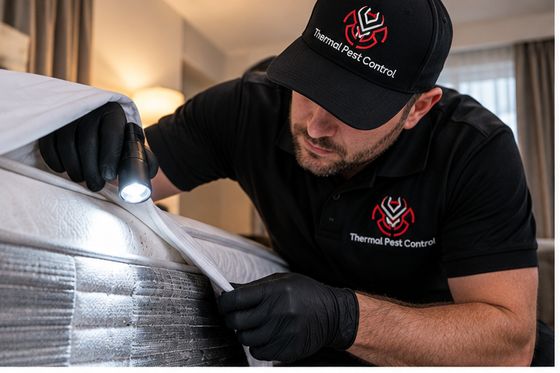
What is actually in a professional treatment, and why it is not the tin from the hardware shop.
Read more →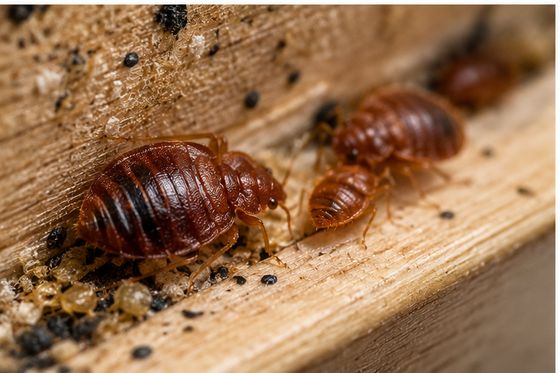
How Many Treatments Does It Take?
The bedbug life cycle sets the number, not the pest controller. Here is the timetable.
Read more →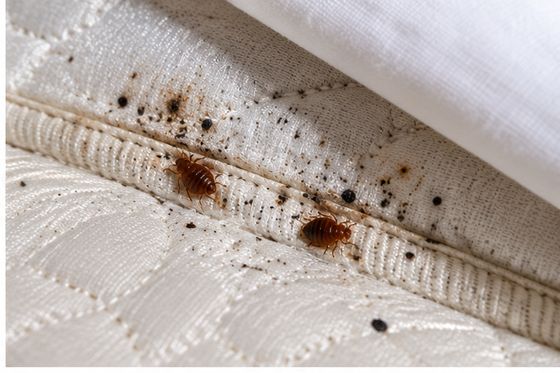
What Happens After the Treatment
Day one to week six, what you will actually see, and when to stop worrying.
Read more →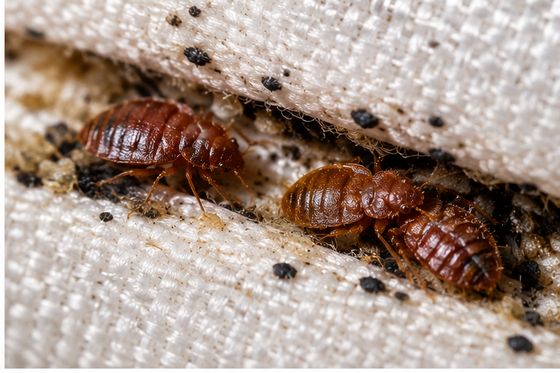
Why Bedbugs Reappear After Treatment
Hatching, survival or re-introduction. Three different problems that look identical.
Read more →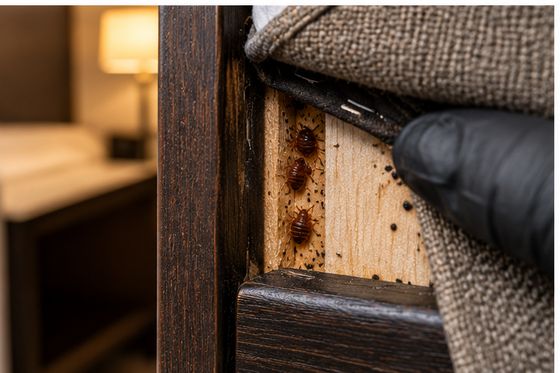
Where Pest Controllers Actually Treat
Why bedbugs choose the places they do, and the places we deliberately leave alone.
Read more →Bedbug Control Across Westminster
Each area page is written around one situation we deal with.
Tell Us About the Property
Tell us which rooms are affected, whether you rent or own, and whether the landlord knows.