

Find the Bed in the Building
In a theatre or an office, bedbugs are usually noticed where people are, not where they live. A bite reported at a desk or in a dressing room is a clue, not a location. The first job is to ask where in the building, or connected to it, someone sleeps: a flat, a staff room with a sofa used overnight, a rest room on a long shift.
The London commercial bedbug treatment page explains, for the full explanation, why offices rarely hold a breeding population. In central buildings the exception is often a room nobody thinks of as a bedroom.
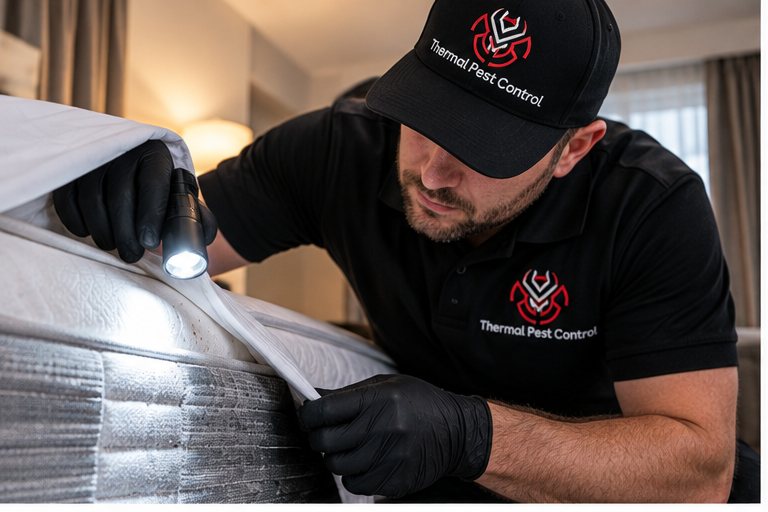
Theatres: Dressing Rooms, Costumes and Cases
A theatre has soft furnishings everywhere, and people arriving from all sorts of lodgings. Dressing rooms have sofas and chairs where performers rest between shows. Wardrobe departments hold racks of costumes, and instruments arrive in lined cases. None of these is a natural home for bedbugs, but each can carry them in or hold a few for a while.
- Dressing-room sofas and daybeds are the first thing to check, since they are where people lie still for longest.
- Costume rails and fitting rooms handle clothing that has been worn and taken home.
- Instrument cases and gig bags in a pit or band room have soft linings; our guide to instruments and cases covers checking them.
- Auditorium seating is where members of the public sit, but only for an evening at a time.
When a performer or crew member is bitten, the likeliest source is where they are sleeping, often short-term lodgings during a run. The Soho page deals with that side of it. Treating the theatre without dealing with the digs rarely ends it.
Offices and Mixed-Use Buildings
Many West End offices sit in older buildings with a flat or two above, or a live-in caretaker. Where that is the case, the flat is the first place to look, and the office floors come second. The St James’s page covers a caretaker’s flat inside an office or institutional building.
For the office floors themselves, the usual work is soft seating: the reception sofa, meeting-room chairs, a quiet room. Ask when you ring about timing a visit around your working hours.
Where several businesses share one building, the landlord or managing agent usually holds the keys to the shared parts and the flats. Tell them early. A treatment confined to one tenant’s floor, while a flat two storeys up goes unchecked, tends to leave the source untouched. If staff are worried about taking bedbugs home, a sealed bag for coats and bags during the working day is a sensible stopgap while the building is looked at.
Staff Accommodation
Hotels, restaurants and other businesses sometimes house staff in shared rooms nearby. That is a building people genuinely sleep in, often with beds that change occupant, so it needs treating like an HMO rather than like an office. The Paddington page goes through it from the point of view of the staff who live there.
Who arranges and pays depends on the agreement between employer and staff and on the cause. We are pest controllers rather than legal advisers. Whoever pays, getting every affected room done in the same visit matters more than the argument.
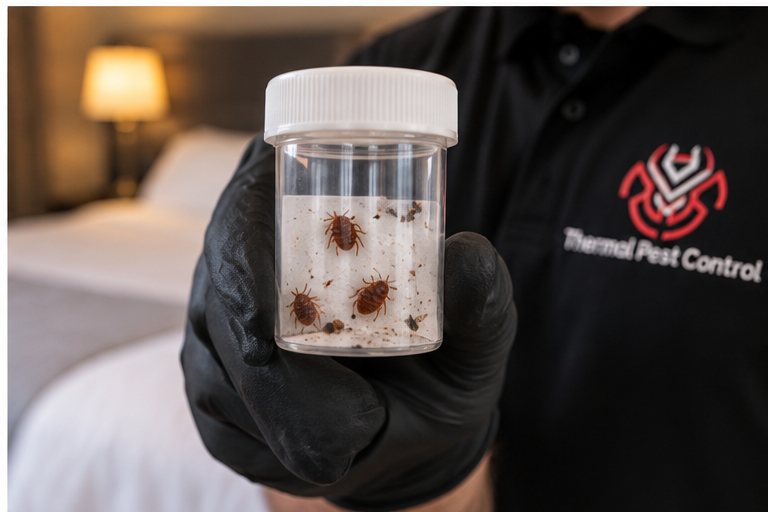
Choosing a Treatment and Getting a Price
Heat suits a room that must be back in use quickly, such as a dressing room or a staff bedroom, because it usually finishes in one visit. Chemical costs less and suits rooms that can take a second visit. The borough pages on heat treatment and chemical treatment in Westminster say what each asks of a room. If you are not certain what you have, an inspection comes first, from £120.
Commercial work is quoted on the rooms or units involved, and treatments start from £220. Ring 0800 955 1018 and tell us what the building is used for and where people have been bitten.
← Bedbug Control Westminster · Commercial Bedbug Treatment London, in full
Commercial Bedbug Treatment Westminster — Questions
Can bedbugs live in a theatre?
They can be carried in and can hide in soft seating and dressing-room furniture, but they need people who sleep or rest in one place for hours. Look first at where the people bitten are sleeping.
A colleague has been bitten at work. Should we treat the whole office?
Usually not. Check the soft seating near where they sit and find out whether anyone sleeps in the building. The source is most often at home.
There is a caretaker's flat in our building. Does that matter?
Yes. A flat where someone sleeps is the likeliest place for bedbugs to breed in a mixed-use building, so it is where we would start.
Who pays for treating staff accommodation?
That depends on the agreement and the cause. We are not legal advisers; report it in writing and treat every affected room together.
How is commercial work priced?
On the rooms or units involved and the treatment chosen. Treatments start from £220, and we give the figure on the phone before booking.
Bedbug Treatments in Westminster
Every service has its own page for Westminster: heat, chemical, hotels, commercial premises and inspections.
Commercial Advice
The guides that go into commercial bedbug treatment in more depth.
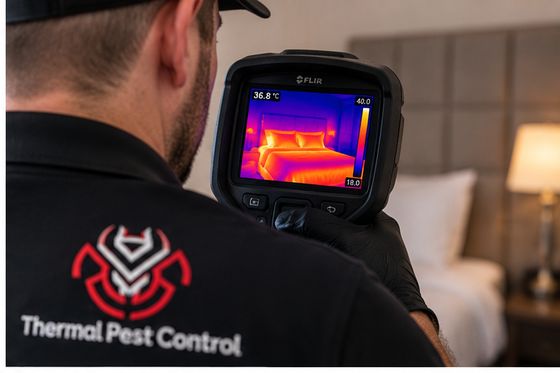
Bedbugs in the Workplace
The source is almost always somebody's home. Handling that without humiliating anyone is the real job.
Read more →
HMOs and Serviced Apartments
Getting into every unit at once is the hard half of block work. How it is actually scheduled.
Read more →
Student Accommodation and Halls
The academic calendar is a pest calendar. Build the inspection programme around it.
Read more →
Bedbug Treatment for Care Homes
Treating around a resident who cannot easily move, and why heat is often the wrong answer.
Read more →
Can Bedbugs Spread Through an Office?
What an office 'infestation' turns out to be when somebody actually investigates it.
Read more →Bedbug Control Across Westminster
Each area page is written around one situation we deal with.
Tell Us About the Property
Tell us what the building is used for, where people were bitten and whether anyone sleeps there.