
- Why a Boat Suits Them
- Checking a Boat
- Heat Treatment on Board
- Chemical Treatment on Board
- Practical Points for Boaters
Bedbugs arrive on a boat in the same ways they arrive in a flat: in luggage, second-hand bedding or furniture, or a guest’s bag. What is different is the space they land in. On a narrowboat the bed is often built in, the walls are lined with timber, and there is very little distance between where you sleep and where you sit.
Why a Boat Suits Them
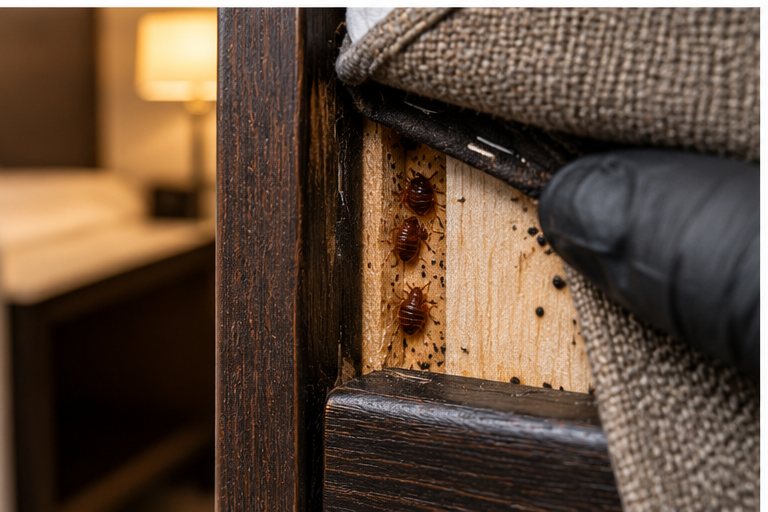
Bedbugs want tight dry gaps close to a sleeping person. A boat has a lot of those. Tongue-and-groove lining, the joints of a fixed bed base, the gap behind cabin panels, cushion zips on a dinette that converts to a bed, and the lockers under the berth all qualify.
The other factor is that on a small boat there is no second bedroom to keep clear. Where people sit in the evening and where they sleep at night are often the same few square metres, sometimes the same cushions. So the whole living space usually needs treating rather than one room.
Checking a Boat
- Start at the bed: the mattress seams and piping, then the corners and joints of the base.
- Lift the mattress and look at the boards beneath it and inside the lockers.
- Run a torch along the edges of the lining where it meets the gunwale and the floor.
- Unzip the seat cushions and check the seams on the inside.
- Look behind anything screwed to the wall near the bed, such as a shelf or reading light.
Small dark spots, pale shed skins and the insects themselves are what you are looking for. The London early signs guide shows what each looks like.
Heat Treatment on Board
Heat treatment raises the space to a temperature bedbugs cannot survive and holds it, checking cold spots with a thermal camera, and it kills eggs too. It needs a lot of electrical power to run the equipment for most of a day. Many boats run on batteries and a modest shore hook-up, which may not be enough.
So the first thing we will ask is where the boat is moored and what power is available there. The second is what on board would not tolerate heat: gas bottles and fuel, aerosols, candles, medication, batteries, some electronics, vinyl, plants and anything else on the heat removal list. Pets come off the boat for the day. If heat is workable, it is usually a single visit.
Chemical Treatment on Board
Chemical treatment does not need that power supply, which often makes it the practical route on a boat. A residual insecticide goes into the seams, bed base joints, lining edges and the other gaps where they hide. Because it does not reliably kill eggs, it is usually two visits, sometimes three, about 10 to 14 days apart.
Before each visit, strip and hot-wash the bedding, bag the cushion covers if they come off, and clear the floor and lockers so the edges can be reached. A launderette run is often part of the plan on a boat without a machine. We tell you on the day when the cabin can be used and how to ventilate it; follow that. Our borough page on chemical treatment in Ealing covers the course in more detail.
Practical Points for Boaters
- Stay moored at the same spot between visits so we can find you again.
- Do not rip out lining or fixed furniture yourself; treatment reaches behind it.
- Keep washed clothes and bedding in sealed containers until the course is done; our guide to plastic storage boxes explains how.
- Do not move onto a friend’s boat or sofa in the meantime, which risks taking them with you.
Treatments start at £220, and the price for a boat depends on its size and the route. Ring 0800 955 1018 and tell us the length, the mooring and the power available. For the wider borough, see the Ealing page.
Related Questions
Can you use heat treatment on a narrowboat?
Sometimes. It depends on the power available at the mooring and what is on board that cannot be heated. We ask about both before recommending it.
Do I have to take the lining out?
No. Leave the lining and fixed furniture where they are; treatment is aimed at the gaps and joints.
Can I stay on the boat during chemical treatment?
Not during the visit itself. We tell you when the cabin can be used again, once the treated surfaces are dry.
Will cruising to a new mooring leave them behind?
No. They travel with the boat and everything on it.
More Bedbug Advice for Ealing
Written up in full for people in the borough, and worth reading before the treatment day.
Recognising Bedbug Nymphs
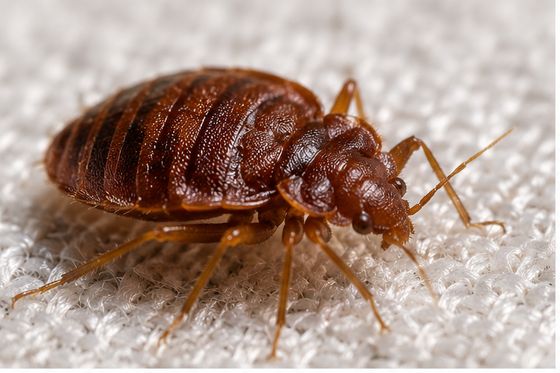
Young bedbugs are tiny and almost see-through; here is how to spot them and what they mean.
Read more →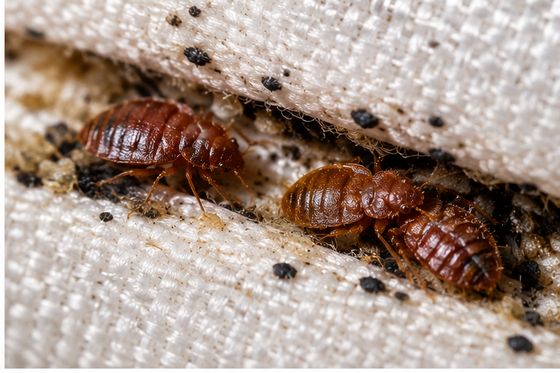
Bedbugs in Soft Toys
Which toys go in the wash, which go in the dryer, and how to handle the one they cannot sleep without.
Read more →
Plastic Storage Boxes
When a box is a hiding place, when it is a shield, and why the lid decides which.
Read more →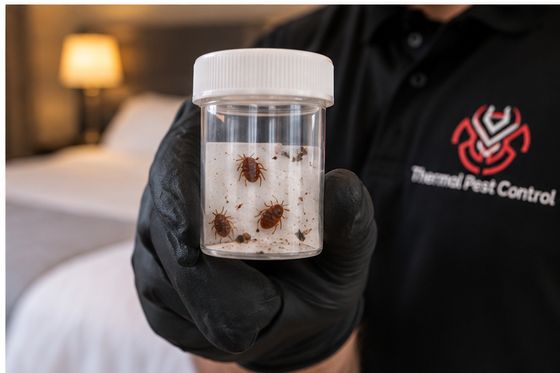
After a Sleepover
The sleeping bag, the pyjamas, and a conversation with the other parents that does not end a friendship.
Read more →Bedbug Control Across Ealing
Each area page is written around one situation we deal with.
Bedbug Treatments in Ealing
Every service has its own page for Ealing: heat, chemical, hotels, commercial premises and inspections.
Tell Us About the Property
Tell us what you have seen and where, and we will tell you what it needs.