
- A Lifespan Measured in Months
- What Changes It
- Why Waiting It Out Does Not Work
- What It Means for Treatment
- After Treatment
A Lifespan Measured in Months
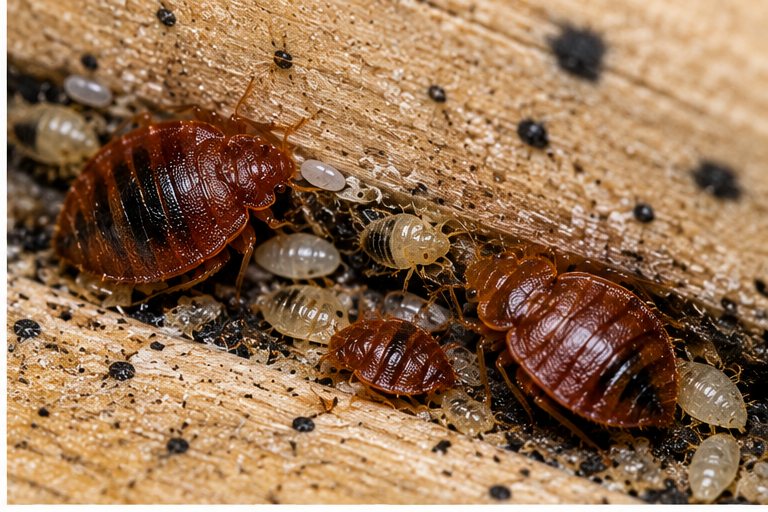
A bedbug starts as an egg, hatches as a small pale nymph, and grows through several stages, needing a blood meal before each moult. Once adult, it can live for months, feeding every few days when a host is nearby and laying eggs throughout.
The exact span varies a great deal, which is why we avoid giving a precise figure. What matters for a household is simpler: one adult outlives the attention span of most people waiting for it to disappear, and it leaves many offspring behind while it does.
What Changes It
- Temperature. In a warm home they feed, breed and develop faster. In a cold one everything slows down, including how quickly they use up their reserves.
- Access to food. With someone sleeping nearby they feed regularly. Without, they become inactive and can wait for a long time.
- Life stage. Young nymphs are less able to go without a meal than well-fed adults.
So a cool, empty flat does not starve them quickly; it slows them down, which can actually stretch out how long they survive. Warm weather does the opposite, though not in a way that helps you, as our guide on whether hot weather kills bedbugs explains.
Why Waiting It Out Does Not Work
In a home that is lived in, the bugs have a regular food supply, so there is nothing to wait for. Each adult keeps laying, the eggs keep hatching, and the numbers go up rather than down. The longer it runs, the further they spread from the bed into furniture, skirting boards and floor gaps and, in time, other rooms.
Leaving the home empty is not much better. Going away for a few weeks, or moving to the sofa or a friend’s place, does not starve them in any reliable timeframe, and it risks carrying some with you. When you come back, the survivors are hungry and waiting. If a trip is coming up anyway, the Brook Green page covers whether to treat before or after.
What It Means for Treatment
Lifespan explains why each treatment is organised the way it is. Chemical treatment does not reliably kill eggs, so the course is planned in visits about 10 to 14 days apart: long enough for eggs to hatch and the young to meet the residue, short enough that they cannot grow up and lay more in between. That is why skipping or delaying the follow-up visit can undo the work.
Heat kills every stage at once, eggs included, which is why it is usually a single visit. For how either route fits into a working week, see our pages on heat treatment in Hammersmith and Fulham and chemical treatment in the borough.
After Treatment
Because bugs can be inactive for a while, it is normal to see the odd one in the days after a treatment, especially with chemical, as they come out and cross the residue. Keep sleeping in your own bed, which draws them out to where the treatment is working. The London guide on what happens after bedbug treatment sets out what to expect and when to tell us.
← Bedbug Control Hammersmith and Fulham · Bedbug Control London
Related Questions
Will bedbugs die if I leave my flat empty?
Not reliably. Without a host they slow down and can survive a long time, and you risk carrying some with you when you leave.
Do bedbugs die in winter?
Not in a heated home. Cold slows them down, but indoor temperatures rarely get low enough or stay low enough to kill them.
Why does chemical treatment need a second visit?
The insecticide does not reliably kill eggs, so a second visit, sometimes a third, catches the bugs that hatch after the first.
How long before I stop seeing them after treatment?
It varies with the route and the size of the problem. A few in the first days can be normal; tell us if you are still seeing them as the course goes on.
More Bedbug Advice for Hammersmith and Fulham
Written up in full for people in the borough, and worth reading before the treatment day.
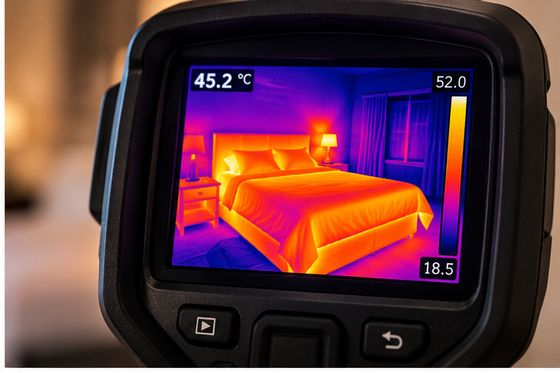
Does Hot Weather Kill Bedbugs?
Summer heat, a sealed car or a sunny sill: why none of them do what a heat treatment does.
Read more →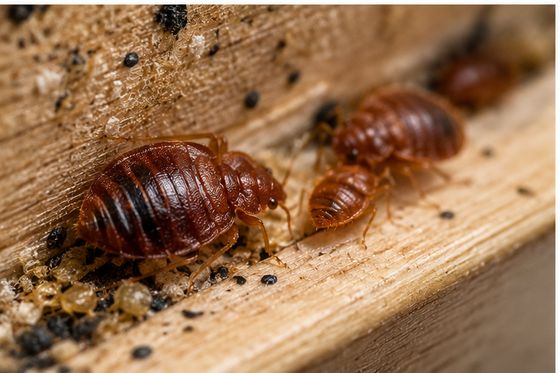
Skirting Boards and Floor Gaps
The gap at the bottom of the wall is one of their favourite places; here is how to check it.
Read more →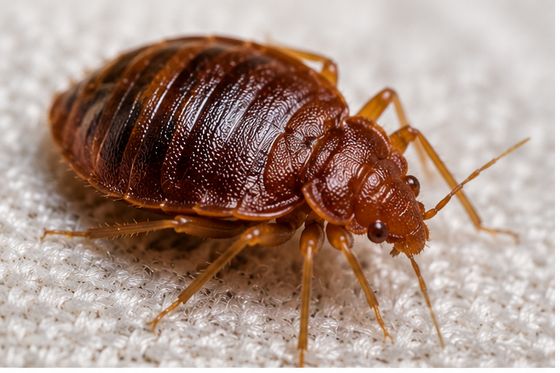
Photographing a Bedbug
A clear phone picture can settle the question quickly; here is how to take one.
Read more →
Bedbugs in Taxis and Minicabs
Seats, boots and luggage: a realistic look at cabs, for the driver and the passenger.
Read more →Bedbug Control Across Hammersmith and Fulham
Each area page is written around one situation we deal with.
Bedbug Treatments in Hammersmith and Fulham
Every service has its own page for Hammersmith and Fulham: heat, chemical, hotels, commercial premises and inspections.
Tell Us About the Property
Tell us what you have seen and where, and we will tell you what it needs.