

Offices: Evenings and Weekends
An office is quiet from the early evening, and the soft seating, meeting-room chairs and break-out sofas that hold bedbugs can be inspected and treated then without anybody at a desk noticing. Tell us when the cleaners come in and when the building is locked, and we will book around both. If the building has a security desk or a facilities contractor who controls access after hours, put us in touch with them before the visit so the doors and alarms are dealt with in advance.
Be ready for the honest answer: an office is rarely where bedbugs breed. They are usually carried in, and the office is where they get seen. The fuller explanation of why is on the London commercial treatment page for the full explanation. For a facilities manager, it means treating the chair and handling the person with care, since it is their home that needs looking at.
- Keep the chair or sofa where it is. Moving it to a store room spreads the problem.
- Do not announce it to the whole floor before anyone has confirmed what it is.
- Point the member of staff towards getting their home checked; the inspections page for the borough explains what that involves.
Staff Accommodation Near the Hospital
Accommodation for people who work at or around Charing Cross Hospital, or for any employer with round-the-clock shifts, has a pattern of its own. A resident on nights sleeps in the day, so the room is occupied at the times a household would be out. Treatment has to be booked around the rota, not the other way round.
- Ask for the rota. Get the resident’s shift pattern for the next three weeks before we book anything.
- Book the empty window. For a night worker, that may be early evening before they leave or a day off. For a day worker, it is office hours.
- Plan every visit, not just the first. A chemical course needs a return visit around ten to fourteen days later, and it has to land in an empty window too.
- Include the neighbours. Rooms sharing a wall or a bathroom with the affected one are checked at the same time, when their occupants are out.
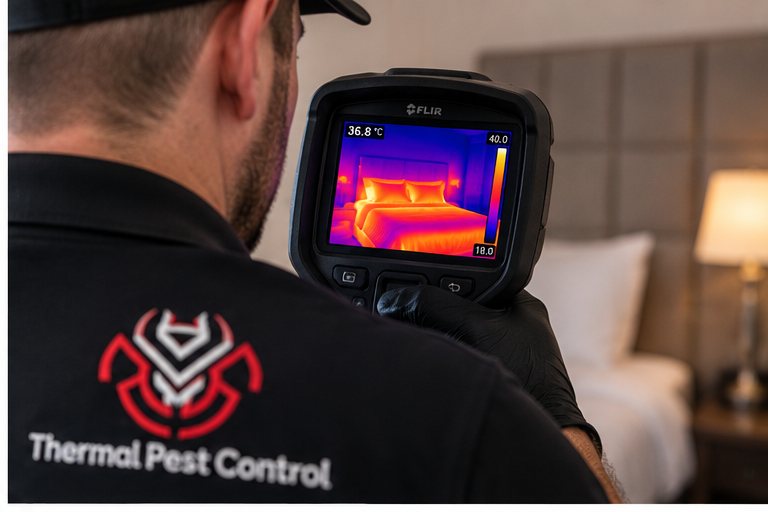
Heat takes most of a day, which is harder to fit round a resident who sleeps through it; chemical visits are shorter but need the room prepared each time. Which suits your building is a phone conversation. The heat and chemical pages for the borough set out what each asks of the occupant.
The Record You Keep
Whoever manages staff accommodation or an office will be asked, sooner or later, what was done about a report. After every visit you receive a written record covering the rooms inspected and what was found in each, the treatment and where it went, and the instructions given to the occupant. Where a room could not be entered on the day, the record says so.
Keep those records together with the date each report came in. If a problem comes back in the same room months later, the history tells us whether it is a new introduction or something that was never fully reached.
Who Arranges It
In staff accommodation, the provider usually arranges treatment, but who pays depends on the agreement and the cause. We are pest controllers, not legal advisers, so check your own terms. What we would say is that residents should be asked to report in writing, and that a delay while it is argued over lets it spread to the next room.
How Commercial Work Is Priced
Work is quoted on the rooms or units involved. Treatments start from £220 and inspections from £120, and heat costs more than chemical. Ring 0800 955 1018 with the number of rooms and the times the building is empty. For guest rooms rather than staff rooms, see hotel treatment in Hammersmith and Fulham, and the borough page covers homes.
← Bedbug Control Hammersmith and Fulham · Commercial Bedbug Treatment London, in full
Commercial Bedbug Treatment Hammersmith and Fulham — Questions
Can you treat our office outside working hours?
Yes. Evenings and weekends are usually the easiest time for an office, as nobody is at their desk and the soft seating can be reached.
A resident works nights. When would you visit their room?
In a window when the room is empty, worked out from their rota. Every visit in a course is planned that way, not only the first.
Will we get something in writing after each visit?
Yes. A written record of what was inspected, what was found, what was treated and what the occupant was told to do.
Should the office chair be thrown out?
Not before we have seen it. Moving it through the building can spread bedbugs, and it can usually be treated where it stands.
How is commercial work priced?
On the rooms or units involved. Treatments start from £220 and inspections from £120, with the figure given on the phone.
Bedbug Treatments in Hammersmith and Fulham
Every service has its own page for Hammersmith and Fulham: heat, chemical, hotels, commercial premises and inspections.
Commercial Advice
The guides that go into commercial bedbug treatment in more depth.
Bedbugs in the Workplace
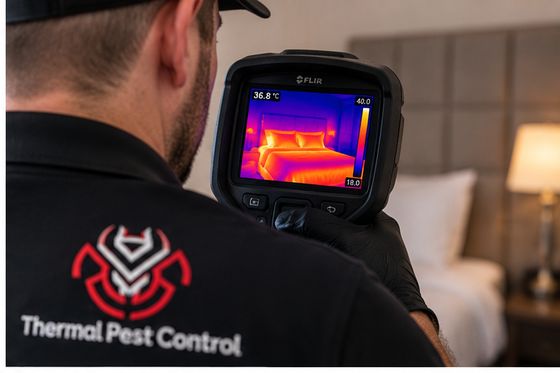
The source is almost always somebody's home. Handling that without humiliating anyone is the real job.
Read more →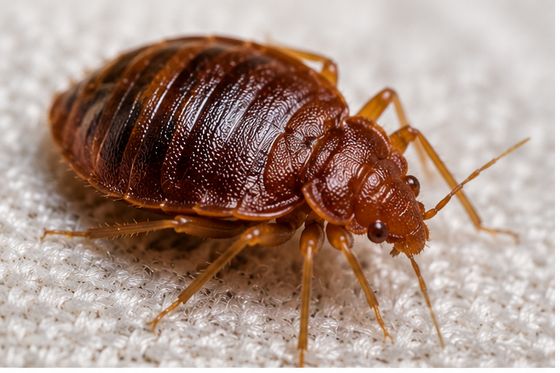
HMOs and Serviced Apartments
Getting into every unit at once is the hard half of block work. How it is actually scheduled.
Read more →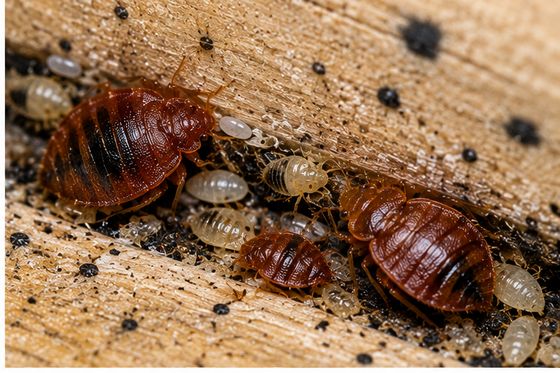
Student Accommodation and Halls
The academic calendar is a pest calendar. Build the inspection programme around it.
Read more →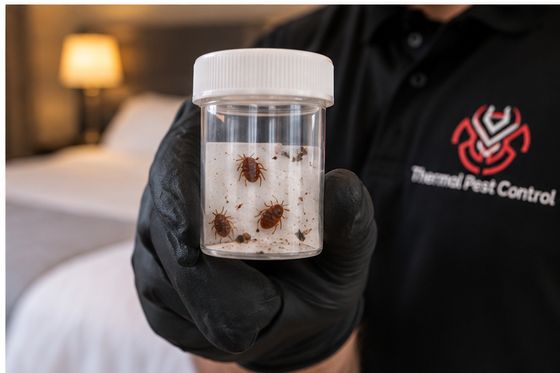
Bedbug Treatment for Care Homes
Treating around a resident who cannot easily move, and why heat is often the wrong answer.
Read more →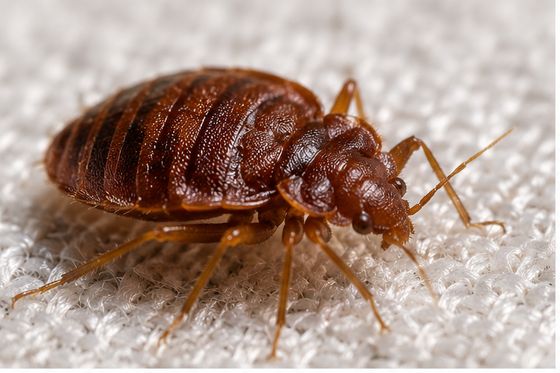
Can Bedbugs Spread Through an Office?
What an office 'infestation' turns out to be when somebody actually investigates it.
Read more →Bedbug Control Across Hammersmith and Fulham
Each area page is written around one situation we deal with.
Tell Us About the Property
Tell us what kind of building it is, how many rooms are involved and when they are empty, and we will come back with a price.