

Why a Course Suits a Flat
A flat has fewer rooms and they are all on one level, so the affected area is usually easier to define than in a house. If the evidence is on one bed, or the bed and the sofa next to it, a residual insecticide applied to the seams, frame and skirting can deal with it without clearing the flat for a day. It also costs less than heat.
What the insecticide does, and why it is not reliable on eggs, is covered on the London chemical treatment page for the full explanation. The practical consequence is a return visit, usually around ten to fourteen days later, and sometimes a third.
Fitting the Visits Into Your Diary
Each visit takes one to two hours. For someone who commutes, that is a late start or an early finish rather than a lost day. Many people in hybrid jobs book both visits for their home working days and work from the kitchen or living room while we are in the bedroom.
- Book both dates at once. Fix the first visit and the return in the same phone call, so the second one is in your calendar before the first is done.
- Choose mornings if you can. The treated surfaces need to dry before the room is used, and a morning visit gives the whole day for that.
- Hold a date for a third visit. Pencil in a morning two weeks after the second, and cancel it if we tell you it is not needed.
- Tell us about travel. If a work trip falls in the middle of the course, say so; the gap between visits matters and we would rather plan around it than have it drift.
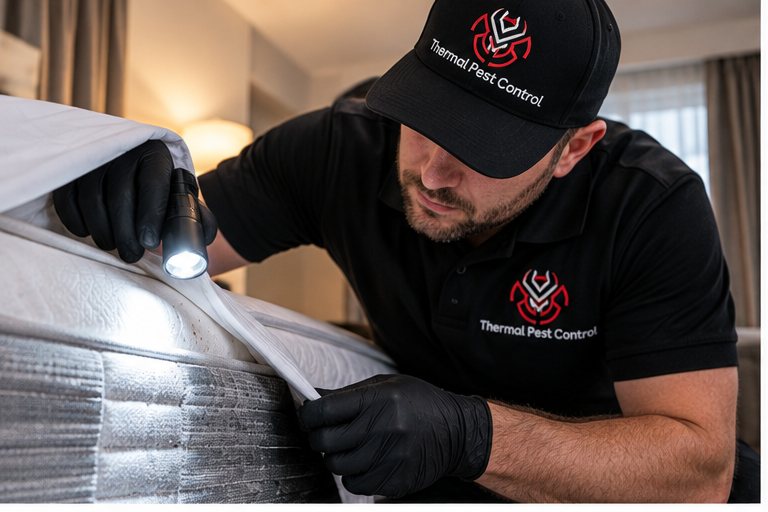
Getting In: Concierges, Porters and Keys
Newer blocks along the river often have a concierge desk and a booking system for contractors. Older mansion buildings may have a porter, a shared entry phone or nothing at all. Whichever it is, tell the building we are coming, give our name to whoever keeps the list, and check whether there are rules on which lift or entrance tradespeople use.
If you cannot be there, leaving a key with the concierge is common, but make sure the room is ready the night before, because nobody can prepare it for you. If the building has had bedbugs before and you are wondering what that means for your flat, the Hammersmith page deals with a block’s history.
Preparing the Room in a Flat
- Strip the bed and hot-wash the bedding. In a flat without a garden that means doing it in batches the evening before; bag it in the bedroom and carry it straight to the machine.
- Clear the floor completely, including the space under the bed where suitcases and storage boxes tend to live in a small flat.
- Leave the furniture against the walls as it is. We move it as we need to.
- Tell us if the flat has original timber floors with gaps between the boards, which older mansion flats often do. Those gaps are treated as part of the room.
The guide to skirting and floor gaps explains why the edges of the room matter as much as the bed.
The Weeks Between Visits
The room can be used once the treatment has dried, and you should keep sleeping in your own bed. That is the hardest instruction for some people to follow, but a bed that is slept in draws out the bedbugs that hatch after the first visit so that they cross the treated surfaces. Moving onto the sofa or to a partner’s place usually just takes them with you.
Do not vacuum along the skirting or wipe the treated edges in that time, and do not use a shop spray on top of what we applied. If you see live bugs a week in, that is expected; tell us at the second visit where they were.
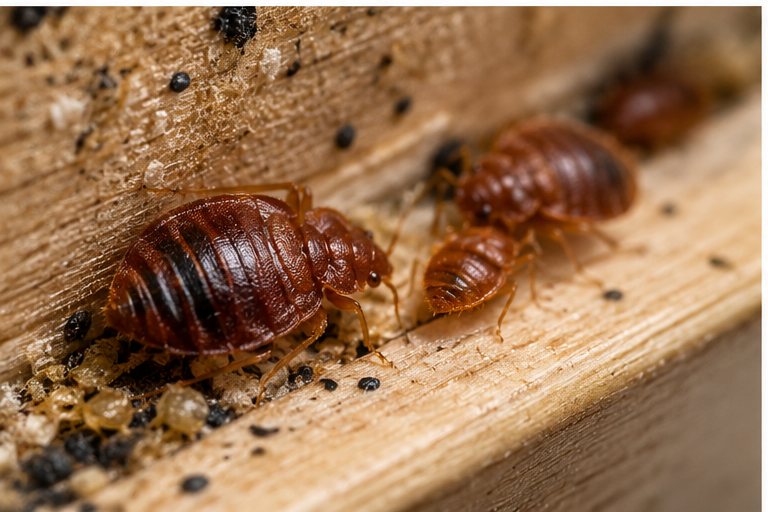
When Heat Would Be Better
If more than one bedroom is affected, if a flatmate cannot keep to the routine, or if you know you cannot reliably be in for three visits, the heat treatment page for Hammersmith and Fulham is worth reading. Treatments start from £220 either way, heat costs more, and the exact figure is given on 0800 955 1018 once we know the number of rooms. The borough page compares both for working households.
← Bedbug Control Hammersmith and Fulham · Bedbug Chemical Treatment London, in full
Bedbug Chemical Treatment Hammersmith and Fulham — Questions
Can I go to work on the day of a chemical visit?
Yes. The visit takes one to two hours, and you can leave once we have finished or let us in and go. The room can be used again once it is dry.
Can the concierge let you in?
If the building allows it, yes. The room must be prepared the night before, because nobody else can do that for you.
Why do I need a second visit?
The treatment does not reliably kill eggs, so a return around ten to fourteen days later deals with the bedbugs that hatch in between. Some flats need a third.
Should I stay with a friend until it is finished?
Usually not. Sleeping in your own bed helps the treatment work, and moving elsewhere tends to carry bedbugs to the new place.
Does chemical cost less than heat for a one-bedroom flat?
Yes. Treatments start from £220 and heat costs more. We give the exact figure on the phone once we know which rooms are affected.
Bedbug Treatments in Hammersmith and Fulham
Every service has its own page for Hammersmith and Fulham: heat, chemical, hotels, commercial premises and inspections.
Chemical Treatment Advice
The guides that go into bedbug chemical treatment in more depth.
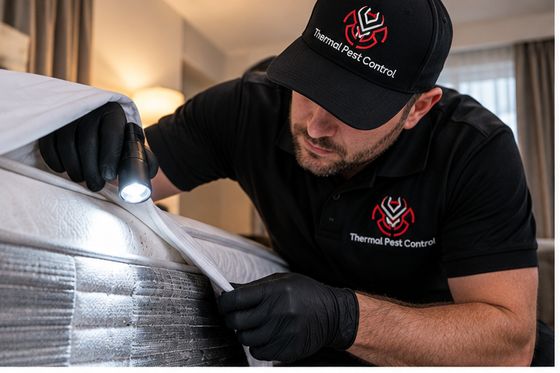
How Professional Chemical Treatment Works
What is actually in a professional treatment, and why it is not the tin from the hardware shop.
Read more →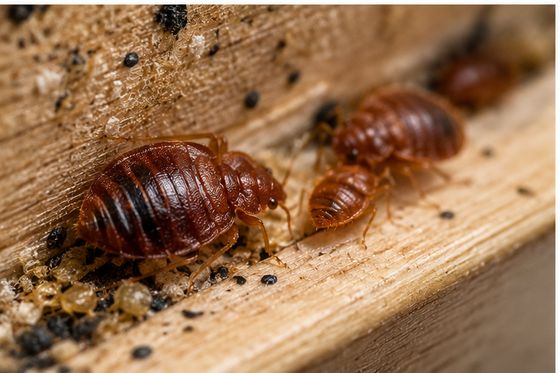
How Many Treatments Does It Take?
The bedbug life cycle sets the number, not the pest controller. Here is the timetable.
Read more →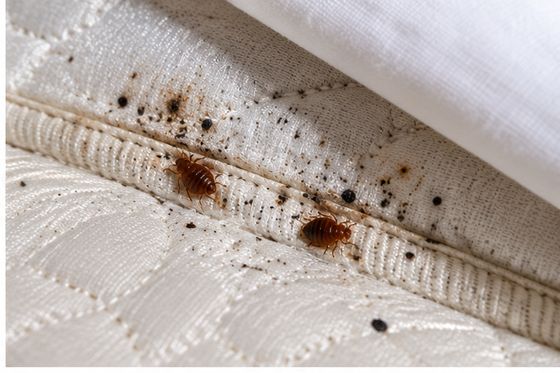
What Happens After the Treatment
Day one to week six, what you will actually see, and when to stop worrying.
Read more →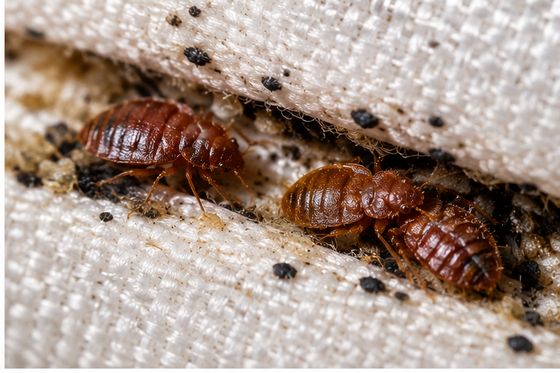
Why Bedbugs Reappear After Treatment
Hatching, survival or re-introduction. Three different problems that look identical.
Read more →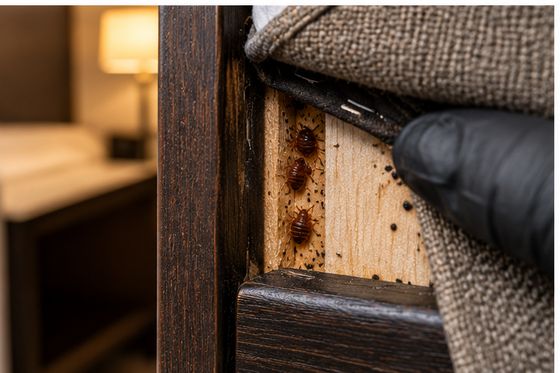
Where Pest Controllers Actually Treat
Why bedbugs choose the places they do, and the places we deliberately leave alone.
Read more →Bedbug Control Across Hammersmith and Fulham
Each area page is written around one situation we deal with.
Tell Us About the Property
Tell us about the flat, how you get into the building and which days you work from home, and we will plan the visits.