

Deciding Which Floors Go In
The question we ask first on the phone is not how many bedrooms there are but where people sleep. In a house of this shape, the adult bedroom is often on the first floor, children or lodgers above, and a sofa bed or a guest room somewhere at the bottom. Bedbugs go where the sleepers are, so the floors that hold a bed are the floors we look at hardest.
If the bites are confined to one bed on one landing and nobody has swapped rooms, we may quote for that floor alone. If someone has been sleeping on the ground floor sofa since this started, that room comes in too, because they will have carried bedbugs down with them. A loft conversion and a basement each raise their own questions; the Fulham page goes through the top and the bottom of a period house in detail, so we will not repeat it here.
Where the evidence is thin and you cannot tell how far it has gone, an inspection settles the floor count before you pay for heat on rooms that do not need it.
Booking It Around a Working Week
Heat occupies the treated rooms for most of a day, and for a household where both adults commute into town or work from a spare room, that day needs choosing. A Monday is rarely the best; a mid-week day, when there is no shopping to bring in and nobody is packing for a weekend away, tends to go more smoothly.
If you work from home, treat it as a day in the office or a café. A home office on the top floor is very likely one of the rooms being heated, and even if it is not, the stairs and the landings are where the cables run. Book a day you can be elsewhere, and leave us a number you will answer.
The machines and ducting arrive through the front door and go up the stairs, so we need a clear hallway and a clear flight. Bikes in the hall, a buggy under the stairs and a pile of post on the bottom step are the usual obstacles in a terrace, and moving them the night before saves time on the day.
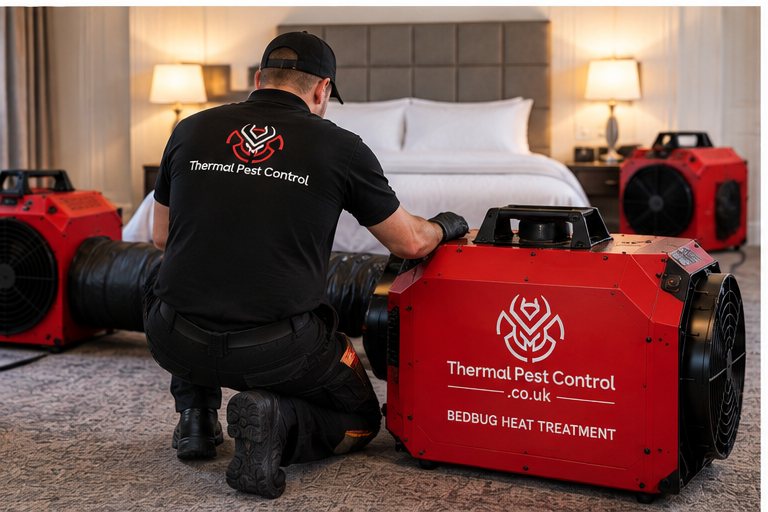
How the Day Runs, Top to Bottom
- The night before. Clear heat-sensitive items from every room on the floors being treated. Put them in bags on a floor that is not being heated, or in the car, not stacked on the landing.
- Arrival. Walk the technician from the top of the house to the bottom and show them every bed, sofa bed and chair where anyone has been bitten or has slept since this began.
- Setting up. Equipment goes into the highest affected floor first. Doors between treated and untreated parts of the house are kept shut through the day, and we will tell you which.
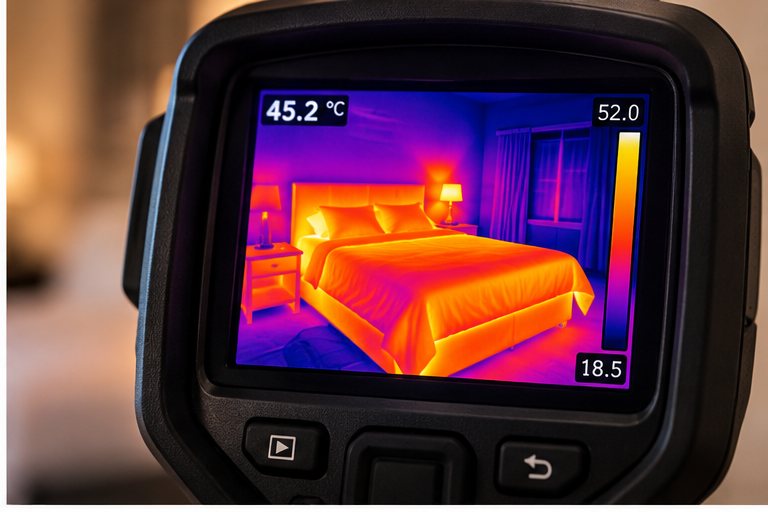
- The heat itself. The rooms are brought to a temperature bedbugs cannot survive and held there, and the thermal camera is used to find the cool corners in each room, the ones against an outside wall or under a sash window, so nothing is missed.
- Cooling down. We ring when the rooms are coming back to normal. The evening is usually yours to move back in.
Why heat reaches the eggs as well as the adults, and why it is usually a single visit, is set out on the London heat treatment page for the full explanation.
What Comes Out, Floor by Floor
Every floor we heat has to be cleared of the same things, but the rooms in a terrace hold them in different places. Work through the house with our list and check:
- Bathroom cabinets on treated floors: aerosols, medication and anything with a pressurised can.
- Bedside drawers: inhalers, tablets, creams, lighters and batteries.
- Mantelpieces and window sills: candles, wax melts and house plants, which many period rooms collect along the fireplace.
- The study or spare room: laptops and anything with a rechargeable battery. Ask us about larger electronics rather than guessing.
- Shelving: vinyl records, which a surprising number of older houses keep upstairs.
Beds, mattresses, wardrobes, clothes and books stay where they are, because they are where the bedbugs are hiding. Pets leave the treated rooms for the day; with a whole house being done, arrange for them to be out altogether.
The Party Walls
Terraces share a wall on each side, and the skirting along a party wall is one of the places we check most carefully in a house like this. Heat leaves nothing behind once it is finished, so in some houses we put a light residual along those edges as well. If we do, you will be told where it went and when the surface can be touched. How bedbugs use skirting and floorboard gaps is covered in our guide to skirting boards and floor gaps.
The Price for a Terraced House
Treatments start from £220. Heat costs more than chemical, and a house with beds on three floors costs more than a single room, because the price follows the number of rooms treated. Ring 0800 955 1018, tell us which floors have beds and which have signs, and we will give you the figure before anything is booked. If one room is all that is affected, chemical treatment in Hammersmith and Fulham may be the more proportionate choice, and the borough page sets out both routes for busy households.
← Bedbug Control Hammersmith and Fulham · Bedbug Heat Treatment London, in full
Bedbug Heat Treatment Hammersmith and Fulham — Questions
Do you have to heat every floor of the house?
No. We heat the floors where people have been sleeping and where the signs are. A floor with no bed and no evidence is usually left out, and we explain why on the phone.
Can I work from home on the day of the heat treatment?
It is better not to. The treated rooms are closed for most of the day and the stairs carry the equipment, so book a day when you can work elsewhere.
Will the heat affect the house next door?
The heat is contained to the rooms we are treating. Where a party wall has gaps at the skirting, we may add a light residual at the edges so the house is protected at that boundary.
What about the loft room and the basement?
They come in if someone sleeps there or there are signs there. Tell us how each is used and we will say whether to include it.
Can we sleep at home that night?
Yes, once the rooms have cooled. Put your removed items back, make the beds with washed bedding and sleep in your own rooms.
How is the heat treatment price worked out?
By the number of rooms treated. Treatments start from £220 and heat costs more than chemical; the exact figure is given on the phone.
Bedbug Treatments in Hammersmith and Fulham
Every service has its own page for Hammersmith and Fulham: heat, chemical, hotels, commercial premises and inspections.
Heat Treatment Advice
The guides that go into bedbug heat treatment in more depth.
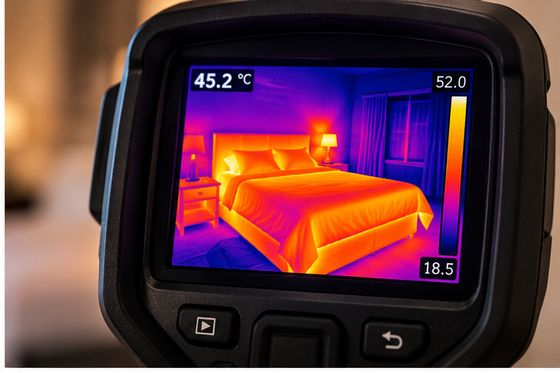
How Heat Treatment Works, and Does It Kill Eggs?
What heat actually does to a bedbug, and why an egg has no defence against it.
Read more →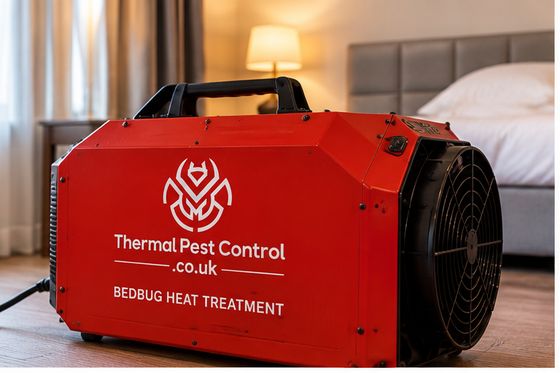
How Long Does a Heat Treatment Take?
Why one London flat takes four hours and another takes ten, and what decides it.
Read more →
Heat or Chemical: How to Choose
Five questions to ask yourself. Answer them honestly and the right treatment picks itself.
Read more →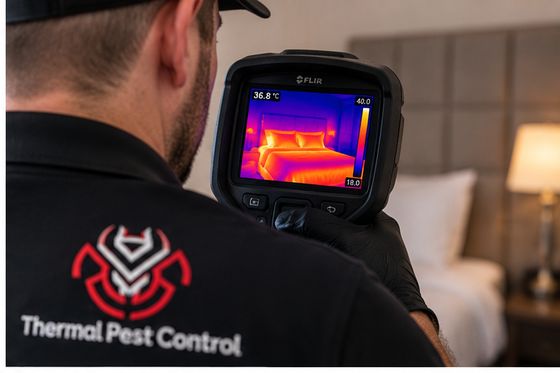
Preparing Your Home for Heat Treatment
What to do the week before, the night before and the morning of. A plan, not a list.
Read more →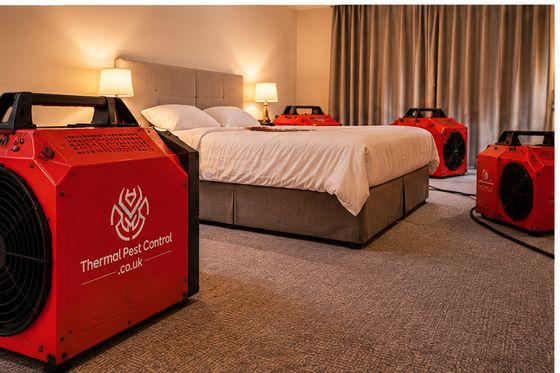
Can Bedbugs Survive a Heat Treatment?
Sometimes, yes. Here are the five ways it happens, and how each one is avoided.
Read more →Bedbug Control Across Hammersmith and Fulham
Each area page is written around one situation we deal with.
Tell Us About the Property
Tell us how many floors, where everyone sleeps and where the signs are, and we will ring with a price.