
- Why the Skirting Suits Them
- Floorboards and Carpet Edges
- Checking the Edges Yourself
- Why Not Fill the Gaps First?
- How Each Treatment Reaches the Skirting
Why the Skirting Suits Them
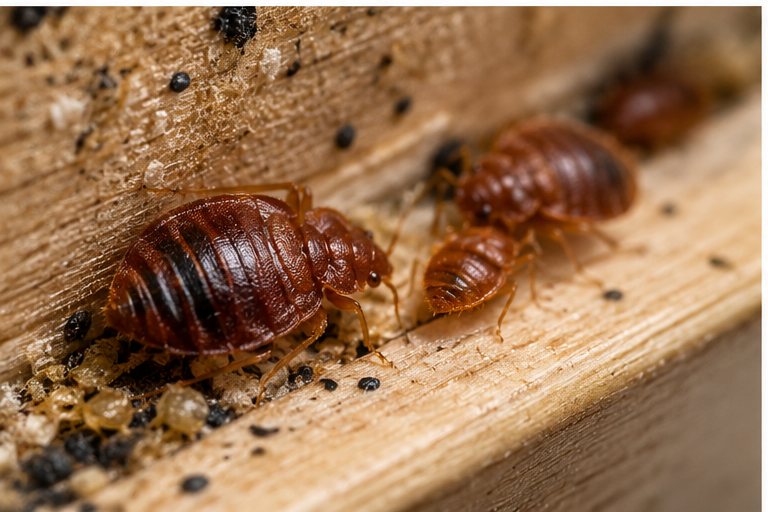
Bedbugs want three things from a hiding place: tightness, so their flat bodies are pressed on both sides; darkness; and a short walk to where someone sleeps. The gap where a skirting board meets the wall or the floor gives them all three, and it runs the whole length of the room.
Timber is a surface they seem to settle on readily, and older rooms tend to have more gaps. Boards shrink, walls move, and a Victorian terrace or a mansion flat may have decades of small openings at floor level. Newer flats are not immune either; a gap behind a modern skirting or around a pipe is just as useful to them.
Skirting harbourage usually means the problem has been going for a while, because the first places to fill up are the mattress seams and bed frame. That does not make it hopeless. It does mean the edges of the room have to be part of the treatment.
Floorboards and Carpet Edges
Bare boards leave narrow gaps between them, and bedbugs will use the ones near the bed. With carpet, the equivalent spot is the edge, where the carpet is tucked against the gripper rod at the wall. Lift a corner near the bed and you may find spotting or shed skins underneath.
Gaps around radiator pipes, cable runs and the base of built-in wardrobes belong in the same category. Anywhere a hand-width from the floor that has a crack leading into the wall or under the boards is worth a look.
Checking the Edges Yourself
- Start at the wall nearest the head of the bed and work outwards.
- Hold a torch low, almost flat to the floor, so that it shines into the gap rather than across the top of it.
- Slide a thin card or an old bank card along the gap and see what comes out onto the floor.
- Look for small dark spots, pale shed skins, tiny white eggs and live insects.
- Note which walls show signs, and photograph anything you find before touching it.
Our guide on how to photograph a bedbug explains how to get a picture clear enough for us to identify. For the other easily missed places, see the London guide to where bedbugs hide that gets missed.
Why Not Fill the Gaps First?
It is tempting to run a line of filler or sealant along the skirting to shut them in. Before treatment, that is usually a mistake. The bugs behind it are not killed; they are sealed into a space the treatment then struggles to reach, and they can still find their way out through another crack. Leave the gaps as they are until the work is finished.
The same goes for household sprays. Aiming a shop-bought aerosol into the gap tends to push bugs further into the wall or into the next room rather than killing the colony.
How Each Treatment Reaches the Skirting
With chemical treatment, the residual insecticide is applied along skirtings, floor edges and gaps as well as the bed and furniture joints. It stays there and keeps working on bugs that cross it, including those that hatch from eggs the first visit did not kill. That is why clearing the floor along the walls before each visit matters: we need to get at the whole run. The London guide on where pest controllers treat lists the rest of the places covered.
With heat, the room itself is raised to a temperature bedbugs cannot survive, so the gaps heat up along with everything else. Floor level and the space behind the boards can lag behind the air in the middle of the room, which is exactly what the thermal camera is used to find. Where the room shares walls or floors with neighbours, a light residual may be put along the edges as well, because heat leaves nothing behind.
For what either route looks like in a typical house here, see our pages on heat treatment and chemical treatment in Hammersmith and Fulham.
← Bedbug Control Hammersmith and Fulham · Bedbug Control London
Related Questions
Can bedbugs live inside the walls?
They can get into gaps behind skirting and around pipes, and in shared buildings they can move along those routes. That is why room edges are always part of the treatment.
Should I take the skirting boards off?
No. There is no need to remove them, and doing so can scatter bugs. Leave them in place and tell us which walls showed signs.
Can I seal the gaps after treatment?
Filling gaps once the work is finished can reduce hiding places later. Ask us first, and do not do it before treatment.
I found them in the skirting but not the bed. Is that possible?
It is unusual but it happens, especially if the bed has been moved or replaced. An inspection will show where they are.
More Bedbug Advice for Hammersmith and Fulham
Written up in full for people in the borough, and worth reading before the treatment day.
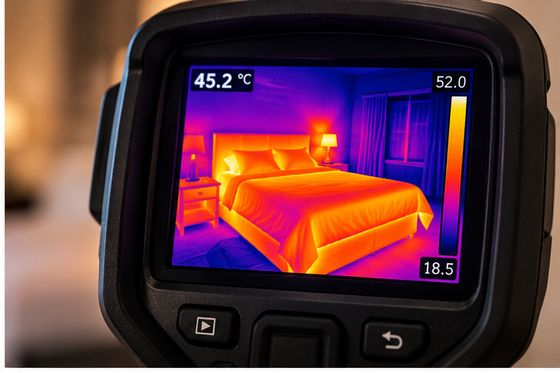
Does Hot Weather Kill Bedbugs?
Summer heat, a sealed car or a sunny sill: why none of them do what a heat treatment does.
Read more →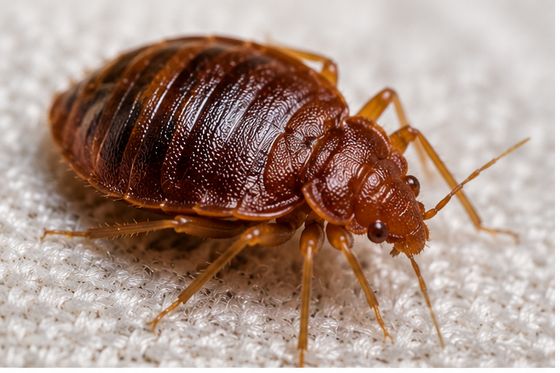
Photographing a Bedbug
A clear phone picture can settle the question quickly; here is how to take one.
Read more →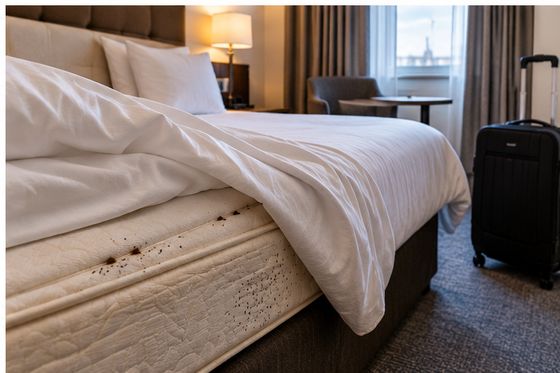
Bedbugs in Taxis and Minicabs
Seats, boots and luggage: a realistic look at cabs, for the driver and the passenger.
Read more →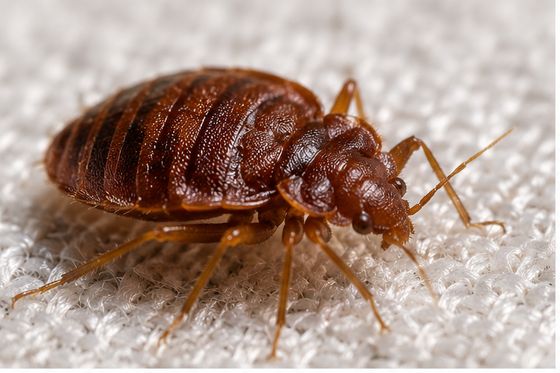
How Long Do Bedbugs Live?
Adult lifespan, what changes it, and why leaving the flat empty is not a plan.
Read more →Bedbug Control Across Hammersmith and Fulham
Each area page is written around one situation we deal with.
Bedbug Treatments in Hammersmith and Fulham
Every service has its own page for Hammersmith and Fulham: heat, chemical, hotels, commercial premises and inspections.
Tell Us About the Property
Tell us what you have seen and where, and we will tell you what it needs.