
- Looking at the Bug Itself
- Shed Skins Are Not Dead Bugs
- Old Evidence and New Evidence
- Dead Bugs After Treatment
- When to Ring Us
Whether a bug is alive or dead changes what you do next. A live one means something is still feeding. A dead one may be from a problem that has already ended, or proof that a treatment is doing its job. Old marks on a second-hand bed or a mattress you have had for years tell a different story from fresh ones.
Looking at the Bug Itself
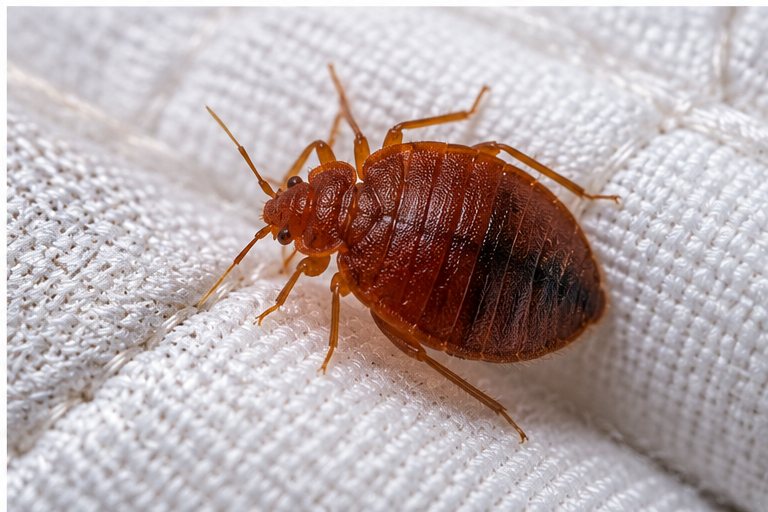
Put the bug on a sheet of white paper in good light and nudge it gently with the edge of a card.
- A live bedbug moves when touched, usually walking away or looking for somewhere to hide.
- One that has just fed looks swollen and reddish; one that has not is flat and brown.
- A dead one often lies on its back or side, with legs curled or tucked in.
- Dead bugs dry out, so they look shrivelled, papery and sometimes lighter in colour.
- A dead bug crumbles or flattens easily; a live one holds its shape.
Bedbugs can stay very still, especially when cold, so give it a minute before deciding. Either way, seal it in a jar or on clear tape for identification. If you are not sure it is a bedbug at all, bedbugs or something else covers the common lookalikes.
Shed Skins Are Not Dead Bugs
Pale, hollow, bug-shaped shells in a seam are the skins young bedbugs leave behind as they grow. They look like dead bugs at a glance but are empty and see-through. They do not tell you whether anything is alive now, but they do tell you bedbugs have been growing in that spot.
Old Evidence and New Evidence
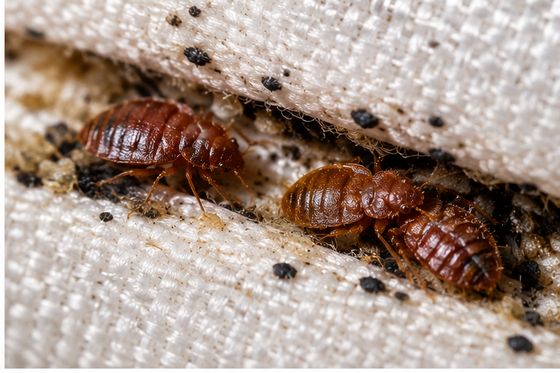
Spotting, the small dark marks bedbugs leave on seams and fabric, lasts long after the bugs are gone. So finding it on an old mattress or a bed frame does not by itself mean you have a live problem.
- Dampen a cotton bud or a corner of kitchen roll with water.
- Rub one of the spots gently.
- Fresh marks tend to smear a reddish brown; old ones stay as a hard, dry dot.
- Look nearby for new signs: live bugs, fresh skins, pearly white eggs.
- Photograph what you find, with the date, before cleaning anything.
Eggs are the other clue. An unhatched egg is plump and pearly white. A hatched one is flattened and open at one end. Plenty of hatched shells and no live bugs can mean an old problem, but eggs are easy to miss, so do not rely on them alone.
Dead Bugs After Treatment
Finding dead bedbugs in the days after treatment is what you would hope for. After heat, the bugs die in place, and some turn up in seams, on the floor or along skirtings as you put the room back together. Vacuum them up and note the date.
After a chemical visit, bugs that were hidden come out, cross the treated surfaces and die over the following days, so seeing some, alive and then dead, is part of how it works. Eggs are not reliably killed, which is why there is a follow-up visit about 10 to 14 days later. What happens after bedbug treatment covers the weeks after in more detail.
When to Ring Us
Call if you find a live, moving bug after the course is finished, or fresh smearing spots in a treated bed. Write down where and when, keep the bug, and tell us. Your notes are part of the record that keeping a record for your landlord describes, and they help us see what has happened. If you are not sure whether anything is alive before treatment, an inspection in Haringey starts from £120.
Related Questions
Can a bedbug play dead?
They can stay very still, especially in a cold room, which is why it is worth nudging one and waiting before deciding.
I bought a second-hand bed with old stains. Is it infested?
Old dry marks alone do not prove it. Check the seams and joints for live bugs, fresh skins and white eggs, and try the damp cotton bud test on the spots.
How long after treatment will I keep finding dead bugs?
It varies with the treatment and how many there were. A few dead ones for a while is normal; a live one moving about after the course is finished is the thing to report.
Should I throw away dead bugs or keep them?
Keep one or two in a sealed jar with the date, and vacuum up the rest. They are useful if anyone later asks what was found.
More Bedbug Advice for Haringey
Written up in full for people in the borough, and worth reading before the treatment day.
How Many Bedbugs Is an Infestation?
What one bug, a few or many suggest, and why where you find them matters more than how many.
Read more →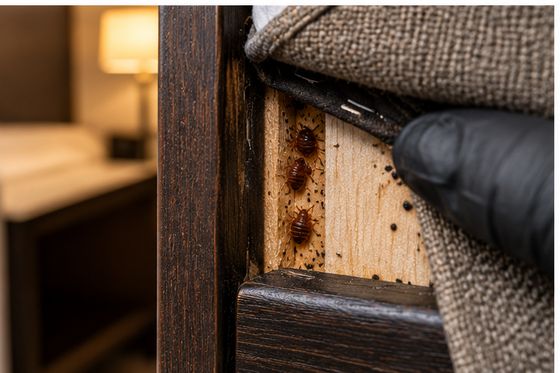
Keeping a Record for Your Landlord
Dated photos, a one-page log, what to keep and what to send, written simply.
Read more →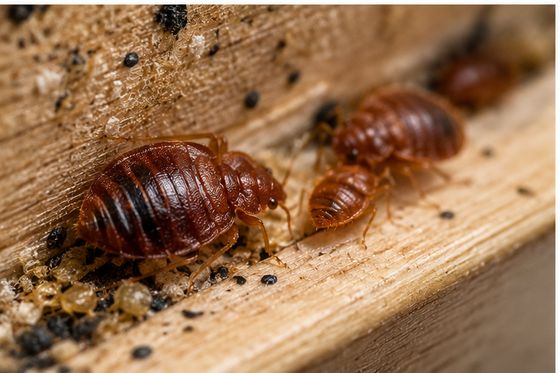
Does Vacuuming Get Rid of Bedbugs?
What the hoover picks up, what it leaves, how to empty it, and when to use it between visits.
Read more →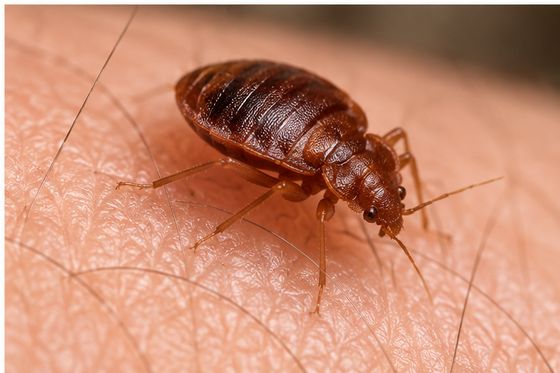
Can Bedbugs Bite Through Clothes?
Why covered skin is bitten less, why pyjamas are not the answer, and what is.
Read more →Bedbug Control Across Haringey
Each area page is written around one situation we deal with.
Bedbug Treatments in Haringey
Every service has its own page for Haringey: heat, chemical, hotels, commercial premises and inspections.
Tell Us About the Property
Tell us what you have seen and where, and we will tell you what it needs.