

Why a Tall House Suits One Big Day
In a house built a century or more ago, the bedrooms are rarely on one neat corridor. There may be a back bedroom a few steps down from the main landing, two or three rooms on the first floor and a converted loft above them. People sleep in all of them, and they move between them at night, so the rooms share the problem sooner than their layout suggests.
Doing those rooms one at a time, weeks apart, gives bedbugs somewhere to go while each room is being dealt with. Heating every affected room in one visit closes that gap. Because heat kills the eggs as well as the adults, it is usually one visit rather than a course. If only one room turns out to be involved, the chemical treatment page for Haringey may cost less. For the full explanation of the method itself, read the London heat treatment page.
Floorboards, Skirtings and Old Joinery
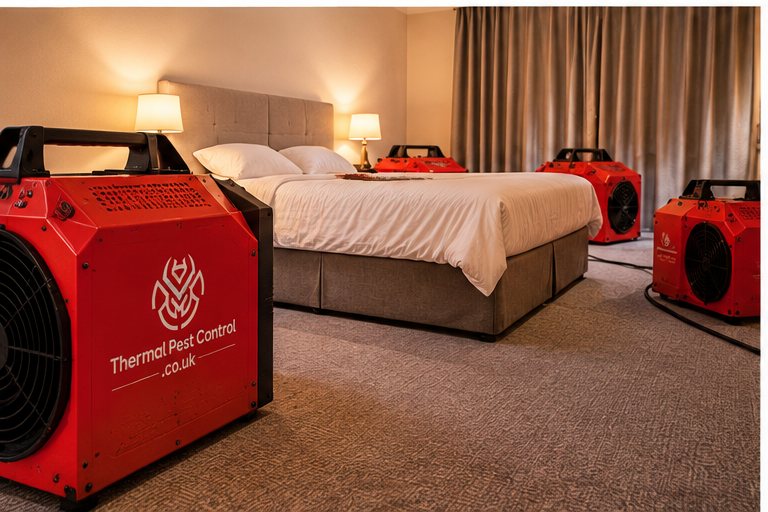
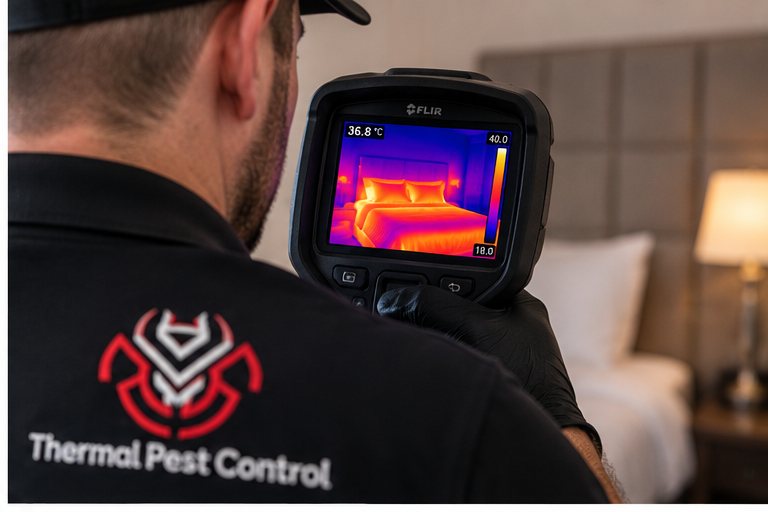
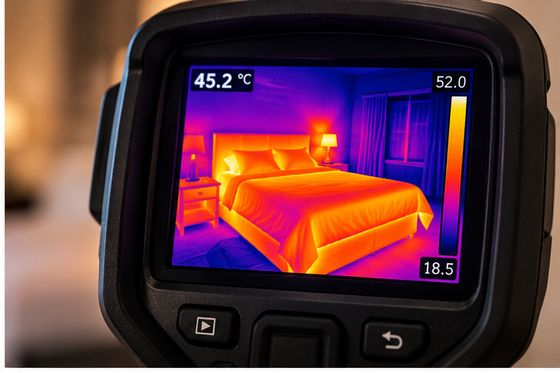
Period houses tend to have more of the small hiding places bedbugs like: gaps between old boards, skirtings that have shrunk away from the plaster, picture rails, built-in cupboards beside a chimney breast and panelled doors. Heat does not need a spray to reach into each one; it warms the whole room, joinery included, and the thermal camera shows us where a corner is lagging so we can push more air at it.
What that means for you is less crawling about with tape and filler before we arrive. Leave the gaps as they are. If you want to fill them afterwards, do it once we have told you the job is finished, not before.
The Loft Room and the Stairs
A loft conversion is often where an older child or a lodger sleeps, and it is easy to forget when describing the house on the phone. Tell us about it, and about any room with a sloping ceiling, a roof window or storage in the eaves. Eaves cupboards packed with boxes take longer to warm, and we would rather know on the phone than find out on the day.
The stairs and landings are not usually heated on their own. If bites or signs have come from a chair on the half-landing or a bed made up in a study, mention it, because it changes the room count and the quote.
Getting the Upstairs Ready
We send a written list once the job is booked. In a big family house, these are the jobs that tend to take the longest the evening before:
- Walk every affected room with a bag for aerosols, candles, medicines, vinyl records and plants, and carry them to the ground floor.
- Check the bathroom cabinet if it is inside a treated bedroom, and any dressing table drawers.
- Ask us which electronics can stay. Laptops, phones and game consoles generally leave with you.
- Leave furniture, mattresses, clothes and books where they are. Moving them down the stairs is how a sitting room ends up with a problem of its own.
- Arrange for dogs and cats to spend the day away, and tell us about any other animals in the house.
If someone in the house has been sleeping in a chair rather than a bed, the Hornsey page covers that situation, and it is worth reading before the day.
The Evening Afterwards
When the rooms have cooled we let you know, and the family can sleep upstairs that night. Put back what came out, make the beds with clean bedding and go back to your own rooms. In a semi-detached or terraced house we may put a light residual along the party wall; if we do, we show you where. Keep a short note of anything you see over the following weeks, because the guide to dead and live bedbugs explains what finding one after treatment does and does not mean.
What a Whole Upstairs Costs
Bedbug treatments start from £220. Heat is priced above chemical, and four bedrooms and a loft cost more than a single room. Ring 0800 955 1018, count the rooms that have had signs and the ones people sleep in, and you get a firm figure before anything is booked. The Haringey bedbug control page sets out the wider picture for the borough.
← Bedbug Control Haringey · Bedbug Heat Treatment London, in full
Bedbug Heat Treatment Haringey — Questions
Can you heat three floors of a house in one visit?
Usually yes, if the affected rooms are on those floors. We plan the order of rooms and the equipment from what you tell us on the phone, so describe every room people sleep in.
Do I need to fill the gaps in my floorboards first?
No. Leave them as they are for the treatment. If you want to fill them, wait until we have told you the job is finished.
Does the loft room need clearing out?
Take out the heat-sensitive items on our list and tell us what is in any eaves storage. Furniture, bedding and clothes stay in the room.
Can we stay downstairs while the upstairs is heated?
We tell you on the phone whether anyone can stay in the house. Most families find it easier to be out, and pets must be away from the treated rooms throughout.
Is one visit enough for a big house?
Usually, because heat reaches the eggs. If you see anything in the weeks afterwards, ring us rather than reaching for a shop spray.
Why does heat cost more than chemical?
It takes most of a day with equipment in every room, where a chemical visit takes an hour or two. We give you both figures on the phone if both would work.
Bedbug Treatments in Haringey
Every service has its own page for Haringey: heat, chemical, hotels, commercial premises and inspections.
Heat Treatment Advice
The guides that go into bedbug heat treatment in more depth.
How Heat Treatment Works, and Does It Kill Eggs?
What heat actually does to a bedbug, and why an egg has no defence against it.
Read more →
How Long Does a Heat Treatment Take?
Why one London flat takes four hours and another takes ten, and what decides it.
Read more →
Heat or Chemical: How to Choose
Five questions to ask yourself. Answer them honestly and the right treatment picks itself.
Read more →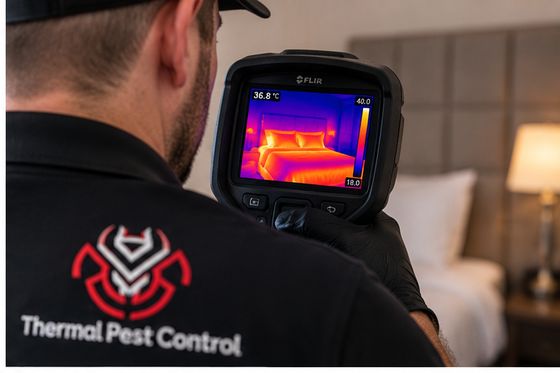
Preparing Your Home for Heat Treatment
What to do the week before, the night before and the morning of. A plan, not a list.
Read more →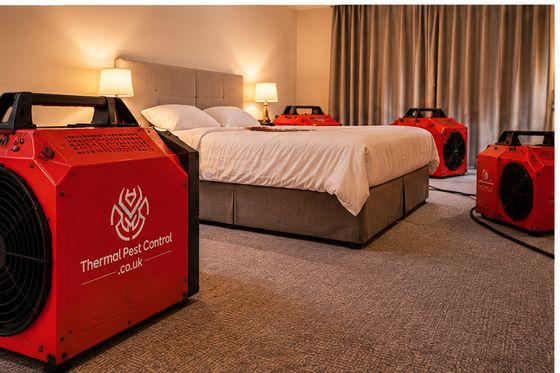
Can Bedbugs Survive a Heat Treatment?
Sometimes, yes. Here are the five ways it happens, and how each one is avoided.
Read more →Bedbug Control Across Haringey
Each area page is written around one situation we deal with.
Tell Us About the Property
Tell us how many floors the house has, which rooms people sleep in, and where you have seen signs.