

A Flat That Used to Be Part of a House
When a terrace in Brixton, Clapham or Kennington was split into flats, the walls between the new homes were often put up quickly, and the floors between them are still the original timber joists and boards. That matters for bedbugs because they follow gaps: along pipes, under skirting, through the spaces around old floorboards. Your flat has its own front door, but its structure is still one house.
Heat suits this sort of flat for a simple reason. It reaches into the boards, the skirting and the frame of the bed as well as the mattress, and it kills eggs as well as adults, so a single visit is usually enough. How the equipment works and why it deals with eggs is on the London heat treatment page, for the full explanation. What follows is about doing it inside a converted house.
What We Heat and What We Leave Alone
We treat the rooms of your flat that need it, and nothing beyond your front door. The shared hallway, the stairs and your neighbours’ flats are not ours to heat unless the owner of the building arranges it. In a one-bedroom conversion that often means the bedroom and the living room together, because the sofa gets used as a spare bed more often than people admit.
Because heat leaves nothing behind once the room cools, we may finish with a light residual treatment along the edges where your flat meets the rest of the house: the skirting on a party wall, the gap where a pipe comes up through the floor, the door threshold onto the landing. That is a barrier at the boundary, not a second treatment of the room. If the plaster around those edges is cracked or the boards have gaps, the Kennington page explains why that matters and what can be done about it.
Stairs, Power and Getting the Kit In
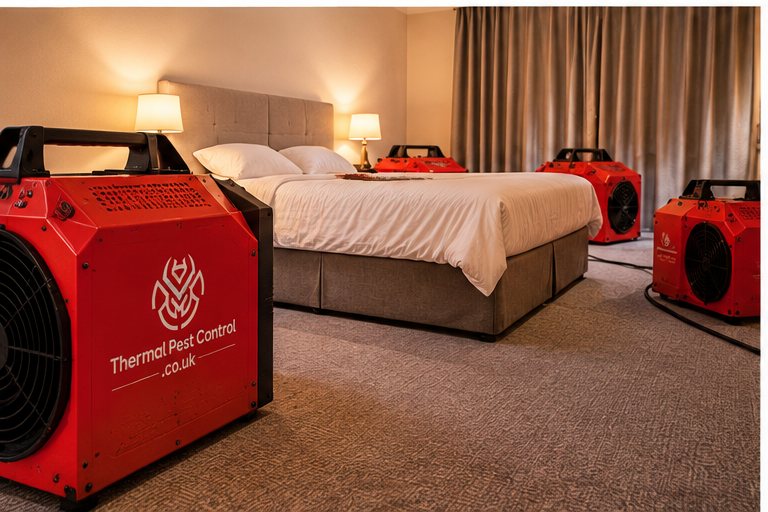
The equipment arrives in several pieces and has to come up whatever stairs lead to your flat. A top-floor flat at the end of a narrow staircase is fine, but it helps to tell us about it when you ring, along with anything that might block the way, such as bikes in the hall or a buggy on the landing. If the shared front door has an entry phone, make sure someone can let us in first thing.
Converted houses often have older wiring, and some flats have a meter or fuse box in a cupboard downstairs. We ask about the electrics on the phone and check them when we arrive, so the heaters are run in a way the supply can take. If you are not sure where your fuse box is, find out before the day.
Telling the Neighbours and the Landlord
The people upstairs and downstairs will not feel the heat through the floor in any way that troubles them, but they may notice fans running and equipment going up the stairs. A short note through their door beforehand saves questions. It also gives them a reason to look at their own beds, which is worth doing in a house with shared structure.
If you rent, tell your landlord or agent in writing before the treatment is booked. Who arranges and pays depends on your tenancy and how the bedbugs arrived, and we are pest controllers, not legal advisers. If the landlord’s first answer is that you must have brought them in, the guide on what to do when the landlord blames you covers getting the treatment moving anyway.
Getting the Flat Ready
- Take out the things that heat can damage: aerosols, candles, medicines, vinyl records, house plants, anything with a battery you are unsure about. Put them in a room we are not treating or outside the flat, checked and bagged first.
- Open wardrobes and drawers a little so heat can get in. Clothes can mostly stay where they are.
- Pull the bed and sofa slightly away from the walls if you can. Built-in cupboards and fitted beds are covered on the Clapham page.
- Arrange for pets to be out of the flat for the whole day, and plan somewhere for yourself to be.
- Do not throw out the mattress or carry furniture down the shared stairs. That is how bedbugs reach the flat below.
The Day and the Price
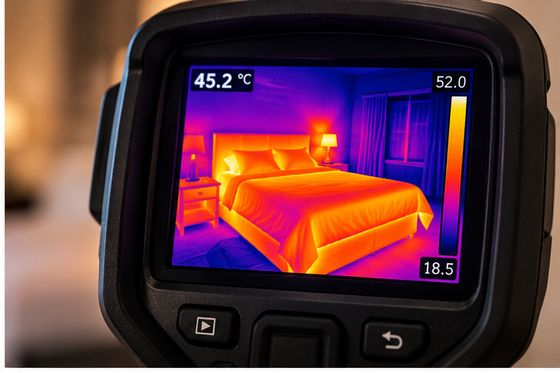
Heat takes most of a day. You leave in the morning, we raise the rooms to a temperature bedbugs cannot survive, hold it, and use a thermal camera to find the cold corners that a bay window or a draughty sash can leave. You come back once the rooms have cooled, and we tell you what we found and what to watch for.
Heat costs more than chemical. Treatments start from £220, and the figure for your flat depends on how many rooms are involved. Ring 0800 955 1018 and you get the figure on the phone before anything is booked. If you are on a large estate rather than in a converted house, the chemical treatment page for Lambeth is likely to fit better, and the Lambeth bedbug control page covers renting with bedbugs more widely.
← Bedbug Control Lambeth · Bedbug Heat Treatment London, in full
Bedbug Heat Treatment Lambeth — Questions
Will heating my flat push bedbugs into the flat upstairs?
Bugs in the rooms being heated are killed where they are, and a light residual at the edges is there to stop any that try to leave. A short note to the neighbours so they can check their own beds is still sensible.
Can you heat the shared hallway too?
Only if whoever owns or manages the building arranges it. We treat the flat you have asked us to treat.
Do I need to empty my wardrobes?
Usually not. Opening the doors and drawers a little is normally enough; we will say on the phone if anything should come out.
How long before I can sleep in the bedroom again?
The same evening in most cases, once the room has cooled. We tell you before we leave.
Is heat worth it for a studio flat?
Often, yes, because the bed, sofa and everything else are in one room and a single visit clears it. We give you the figure for heat and for chemical on the phone so you can compare.
My landlord has not answered yet. Should I wait?
Report it in writing and keep a copy. Whether to book yourself while you wait depends on your tenancy; we can give you the figure so you know what you are dealing with.
Bedbug Treatments in Lambeth
Every service has its own page for Lambeth: heat, chemical, hotels, commercial premises and inspections.
Heat Treatment Advice
The guides that go into bedbug heat treatment in more depth.
How Heat Treatment Works, and Does It Kill Eggs?
What heat actually does to a bedbug, and why an egg has no defence against it.
Read more →
How Long Does a Heat Treatment Take?
Why one London flat takes four hours and another takes ten, and what decides it.
Read more →
Heat or Chemical: How to Choose
Five questions to ask yourself. Answer them honestly and the right treatment picks itself.
Read more →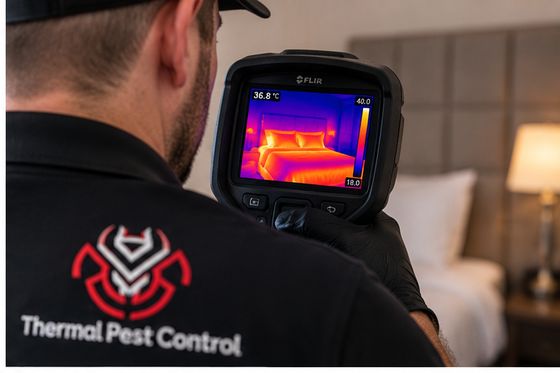
Preparing Your Home for Heat Treatment
What to do the week before, the night before and the morning of. A plan, not a list.
Read more →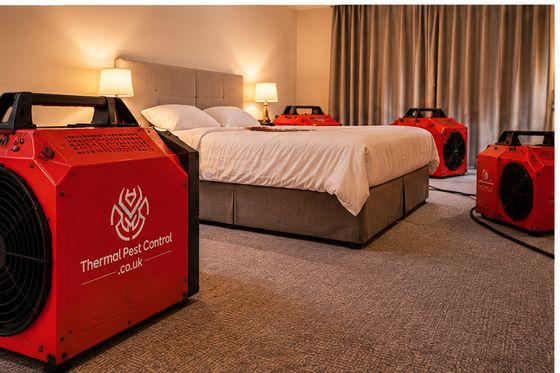
Can Bedbugs Survive a Heat Treatment?
Sometimes, yes. Here are the five ways it happens, and how each one is avoided.
Read more →Bedbug Control Across Lambeth
Each area page is written around one situation we deal with.
Tell Us About the Property
Tell us which floor your flat is on, how many rooms have signs, and whether you rent or own.