

Where Bedbugs Settle in a Venue or Workplace
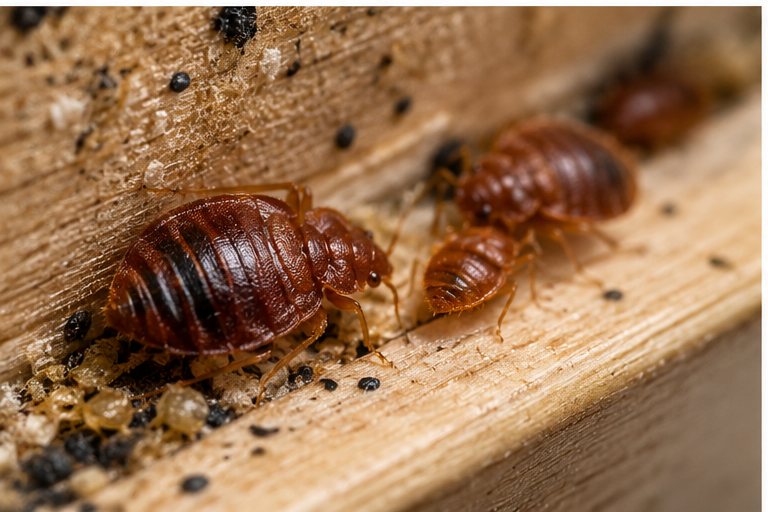
Bedbugs want somewhere to hide close to people who stay still. In a venue that is the upholstered booth, the banquette with buttoned seams, the sofa in the green room and the chairs in the dressing room. In a workplace it is the break-room sofa, the fabric chairs in a meeting room and anywhere night staff take a rest. Hard seating and bar stools are rarely the problem.
Cloakrooms and staff lockers matter too. Coats and bags are hung close together for hours, and that is where bugs move from one person’s belongings to another’s. The London commercial bedbug treatment page covers commercial premises in general, for the full explanation; this page is about the venues and workplaces of the borough.
The First Report
Reports in a venue tend to come from staff rather than customers: bites after a shift, or a bug seen on a seat when the lights come up. Take them seriously and write them down with the date and where it was. Do not move the suspect seating to another room or put it out on the street, and do not spray it with a shop product; both spread the problem.
An inspection comes first when the evidence is thin. It tells you whether it is bedbugs and which pieces of furniture are involved, so you are not paying to treat a whole floor. The Lambeth inspections page describes that visit from a renter’s side; for premises we work through the seating plan in the same careful way.
Treating Around Opening Hours
Most venues cannot close for a day at short notice, so the treatment is fitted to the diary. Chemical treatment of seating and staff areas takes one to two hours a visit and the area can be used once dry, which often means a morning visit before a late opening. It is a course, with a second visit about 10-14 days later and sometimes a third.
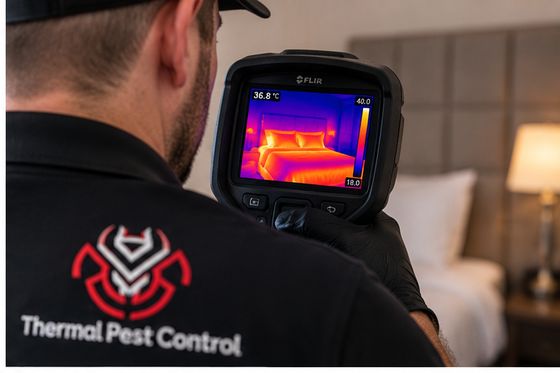
Heat treats a room in one visit, eggs included, and suits a green room, a staff room or a self-contained office that can be shut for most of a day. Anything heat damages has to come out first: stock in aerosols, candles, spirits and some electronics. Our borough pages on heat and chemical treatment cover each method in a home, and the same principles apply here.
Staff, Performers and Belongings
The people who work in the building are both how bedbugs arrive and the ones most at risk of taking them home. Tell staff plainly what has been found and what is being done. Ask them to keep bags zipped and off soft seating, and to bag work clothes kept on site. If someone thinks they have bedbugs at home, the problem is best dealt with there as well; treating the venue alone will not stop it returning.
Touring performers and crew bring cases and costume rails into the dressing rooms. A quick check of those rooms after a busy run, and keeping cases on hard floors rather than on sofas, is a sensible routine. Where second-hand furniture or props come in, the Brixton page on handling donated goods describes a way of checking them first.
Records, Quotes and Next Steps
Keep a written record of each report, what was found and what was treated. It helps you spot a pattern and shows staff that concerns are acted on. Commercial work is quoted on the rooms or areas involved and whether it is heat or chemical. Treatments start from £220 and inspections from £120. Ring 0800 955 1018 and you get the figure on the phone before anything is booked. For homes across the borough, see the Lambeth bedbug control page.
After the last visit, keep watching the places that were involved. A staff member who opens up can glance along the booth seams and the green room sofa once a week for a month or so, and report anything to the person keeping the record. A clean month after treatment is the evidence that the work has held, and a single new sighting caught early is a much smaller job than a second outbreak found by a customer.
← Bedbug Control Lambeth · Commercial Bedbug Treatment London, in full
Commercial Bedbug Treatment Lambeth — Questions
Do we have to close while you treat?
Not usually. Chemical treatment can be done before opening and the area used once dry; heat needs the room shut for most of a day.
Which seating is most likely to be involved?
Upholstered booths, banquettes and sofas, especially seams and buttons. Hard chairs and stools rarely are.
Should we throw out the affected sofa?
Not before treatment unless we advise it. Carrying it through the building can spread bedbugs to other rooms.
What should we tell staff?
What was found, what is being done, and to keep bags zipped and off soft seating until the work is finished.
How is commercial work priced?
By the rooms or areas involved and the treatment chosen. Treatments start from £220; the figure is given on the phone before booking.
Bedbug Treatments in Lambeth
Every service has its own page for Lambeth: heat, chemical, hotels, commercial premises and inspections.
Commercial Advice
The guides that go into commercial bedbug treatment in more depth.
Bedbugs in the Workplace
The source is almost always somebody's home. Handling that without humiliating anyone is the real job.
Read more →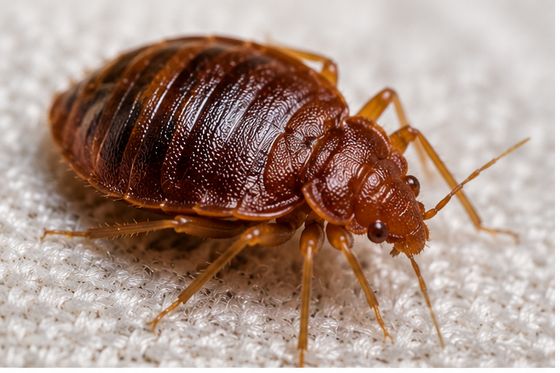
HMOs and Serviced Apartments
Getting into every unit at once is the hard half of block work. How it is actually scheduled.
Read more →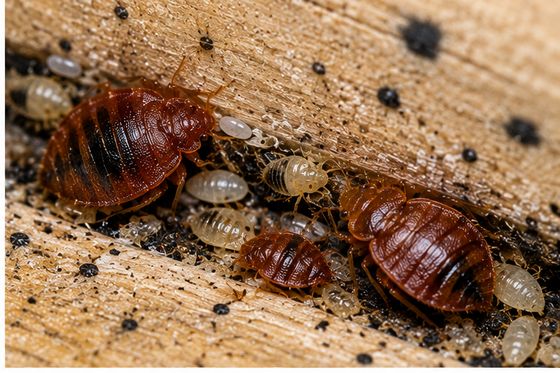
Student Accommodation and Halls
The academic calendar is a pest calendar. Build the inspection programme around it.
Read more →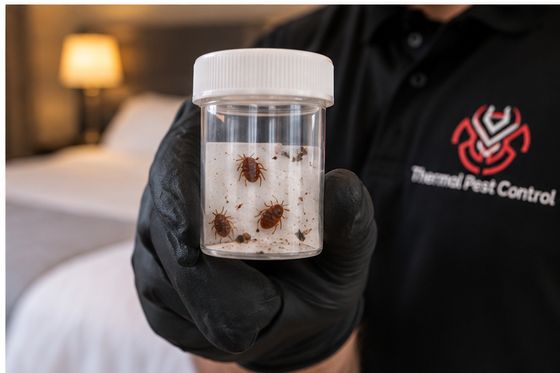
Bedbug Treatment for Care Homes
Treating around a resident who cannot easily move, and why heat is often the wrong answer.
Read more →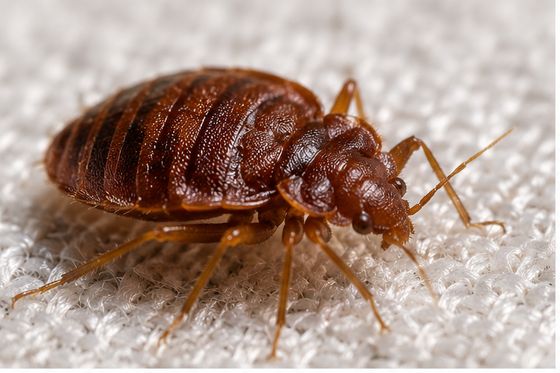
Can Bedbugs Spread Through an Office?
What an office 'infestation' turns out to be when somebody actually investigates it.
Read more →Bedbug Control Across Lambeth
Each area page is written around one situation we deal with.
Tell Us About the Property
Tell us what kind of premises it is, which rooms or seating are involved, and your opening hours.