
- Foam Versus Sprung
- The Cover and the Zip
- The Base Is Often the Real Problem
- Rolled Mattresses and Vacuum Packing
- What Heat Treatment Means for Foam
- What Chemical Treatment Means for Foam
Foam Versus Sprung
A traditional sprung mattress has an open interior: coils, padding and air, with gaps inside that an insect can reach through a worn seam. A memory foam mattress is a solid block. Bedbugs cannot tunnel into foam, and they have no reason to try. They want a tight, dark crevice close to a sleeping person, not a dense sponge.
So the honest answer is that bedbugs do not live in the foam. They live on the mattress, and on what the mattress sits on, in exactly the way they do with any other type. Switching to foam changes where you look, not whether you look.
The Cover and the Zip
Most foam mattresses have a removable knitted cover with a zip running round two or three sides. That zip is one of the best hiding places on the whole bed: a long, dark channel, folded fabric either side, and the sleeper a few centimetres away. Check it slowly with a torch, pulling the fabric flat as you go.
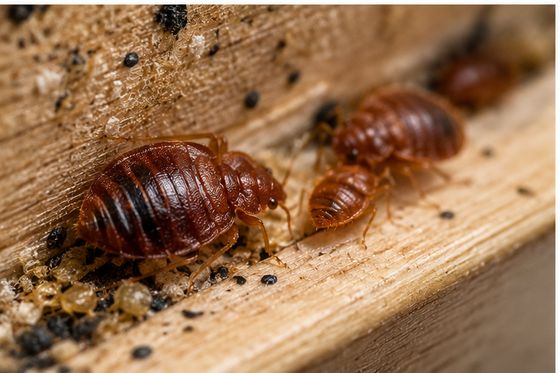
The cover’s own seams and any handles or labels stitched onto it are the next places to look. You are after small dark spots like marks from a felt pen, pale shed skins, tiny cream-coloured eggs, and the bugs themselves. The London guide to early signs of bedbugs shows what each one looks like.
The Base Is Often the Real Problem
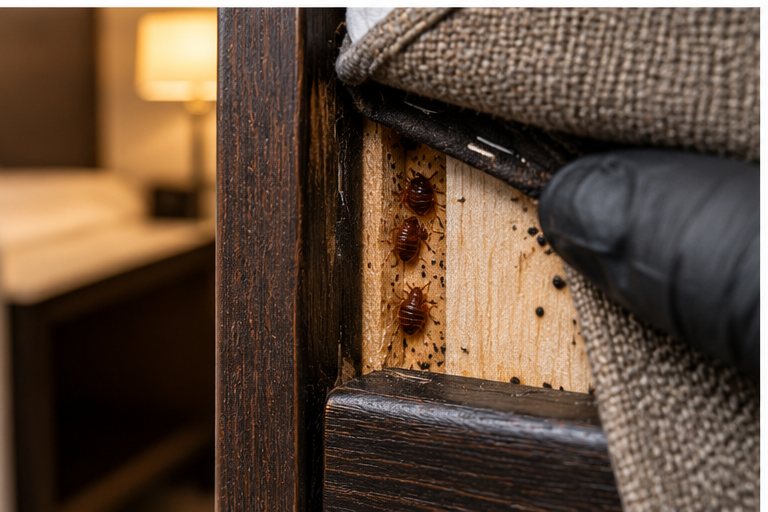
Foam mattresses often sit on a slatted frame or a divan, and both offer far more shelter than the mattress does. The joints of the frame, the screw holes, the brackets holding the slats, the underside fabric of a divan and the gap behind the headboard are where an established population usually settles.
That is why buying a new foam mattress rarely fixes anything. The new one goes straight onto the same base, and whatever was living in the frame climbs up the first night. It is also why we ask you not to throw anything out before treatment unless we advise it.
Rolled Mattresses and Vacuum Packing
Foam mattresses that arrive rolled in plastic are new and sealed, so the packaging is not a concern. What people sometimes ask is whether sealing an infested one in plastic and leaving it will starve them. Bedbugs can go a long time without feeding, and a plastic bag in a hallway is no substitute for treating the room. A zipped mattress encasement can help once the room is clear, because it closes off the seams, but it does nothing for the frame.
What Heat Treatment Means for Foam
With heat, the whole room is taken up to a temperature bedbugs cannot survive and held there, with a thermal camera looking for cold spots. A thick foam mattress warms more slowly than the air around it, so the thermal camera checks that the heat has reached all of it. Memory foam goes soft while it is warm and firms up again as the room cools.
If the maker’s label warns against heat, or the mattress is under a manufacturer’s cover you want to keep valid, tell us when you book. The Lambeth heat treatment page explains how a single flat in a shared house is heated.
What Chemical Treatment Means for Foam
Chemical treatment goes into the places bugs hide, not into the foam: the zip, the cover seams, the base and the frame joints. The mattress is not soaked. You strip the bed and hot-wash the cover if the label allows, and the bed can be used again once the treated surfaces are dry. Because the insecticide does not reliably reach eggs, a second visit is part of the plan. The Lambeth chemical treatment page sets out the course.
Related Questions
Is a memory foam mattress better than a sprung one for avoiding bedbugs?
Slightly, because there is no hollow interior, but the cover, zip and base still give them plenty of places to hide. It is not a reason to skip checking the bed.
Can I wash the cover of my foam mattress to get rid of them?
Washing the cover hot helps, but the bugs in the frame and the base are untouched. Use it as part of the preparation for treatment, not instead of it.
Will heat ruin my memory foam mattress?
It goes soft while warm and recovers as it cools. If the label says to keep it away from heat, mention it when you ring 0800 955 1018 and we will talk it through.
I rent and the foam mattress belongs to the landlord. Should I replace it?
No. Leave it where it is and report the problem in writing. A replacement put on the same frame usually picks them up again.
More Bedbug Advice for Lambeth
Written up in full for people in the borough, and worth reading before the treatment day.
Clutter and Bedbugs
Clutter does not bring bedbugs in, but it gives them cover. What to clear and what to leave.
Read more →
When the Landlord Blames You
Why arguing over the cause rarely settles it, and how to get treatment moving meanwhile.
Read more →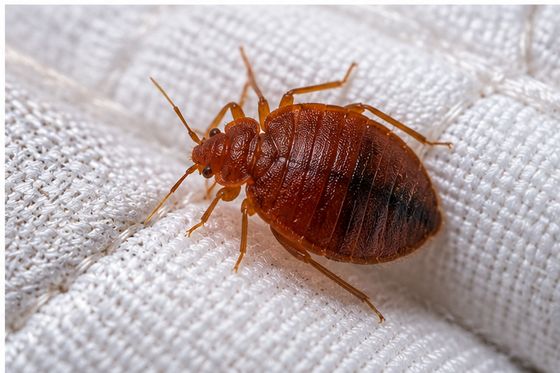
Trying On Clothes
The honest risk from changing rooms and second-hand clothes, and a routine that covers it.
Read more →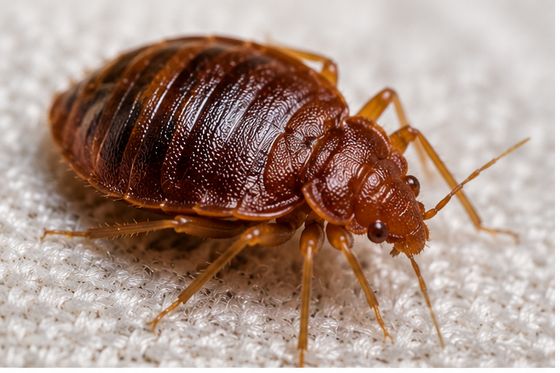
Bedbugs or Dust Mites?
Two very different problems that get confused. What each leaves behind and what to do.
Read more →Bedbug Control Across Lambeth
Each area page is written around one situation we deal with.
Bedbug Treatments in Lambeth
Every service has its own page for Lambeth: heat, chemical, hotels, commercial premises and inspections.
Tell Us About the Property
Tell us what you have seen and where, and we will tell you what it needs.