

Which Rooms Go in the Job
In a house with five or six bedrooms, the first question is not heat or chemical. It is which rooms have people sleeping in them, which of those have signs, and which are linked to them by the way the household actually moves about. A spare room that a visiting relative used last month belongs in the conversation, even if it looks spotless now.
When you ring, we go through the house floor by floor with you. Expect questions like these:
- Who sleeps where, and has anybody changed rooms since the bites started?
- Is there a loft room, a basement bedroom or an annexe, and who last slept in it?
- Has anyone been sleeping on a sofa or a day bed downstairs?
- Which rooms share a wall with the room where the signs were first seen?
If the answers leave real doubt, an inspection of the other bedrooms is money well spent before you commit to heating half the house. The inspections page for the borough covers booking one.

Tall Rooms, Fireplaces and Built-In Cupboards
Period bedrooms have features that a modern box room does not, and each one matters to a heat job for a plain reason: bedbugs hide in gaps, and old houses are full of them.
- High ceilings mean more air in each room. Tell us roughly how big the bedrooms are when you ring, because that shapes the plan for the day.
- Fireplaces, open or blocked, can let warm air escape up the flue. Mention them when you ring so they are part of the plan.
- Built-in cupboards in alcoves are often packed to the ceiling. Open them up and thin them out so warm air can reach the back.
- Picture rails, cornicing and loose skirting give bedbugs ledges and cracks. The thermal camera is used to check that those edges reach temperature too.
- Sash windows can be draughty. Close them fully, and tell us about any that will not shut.
None of this rules heat out. It is simply why a proper conversation about the house, and sometimes an inspection, comes before a price. For how the equipment and the thermal camera work, read the London heat treatment page for the full explanation.
Clearing a Large House in the Week Before
The removal list is the one we send you, and it is the same list in a flat or a mansion. What changes in a big house is the amount of it, so start early rather than the night before.
- A week out: walk every room in the job with the list and a box of bags. Label each bag with the room it came from, and keep it in that room for now.
- Look out for the things period homes collect: a drawer of old candles in a dining room sideboard, aerosols in a bathroom cabinet off the bedroom, houseplants on every sill, a record collection on the landing.
- Anything valuable or fragile, such as antique furniture, oil paintings, a piano or musical instruments: ask when you ring whether it should stay or go. Do not guess.
- Two days out: move the finished bags of heat-sensitive items to a room outside the job. Leave clothes, bedding in bags, books and furniture where they are.
- The evening before: strip the beds, arrange for pets to be out of the house for the day, and make sure every room in the job can be opened, including any locked cupboards.
The Day Itself
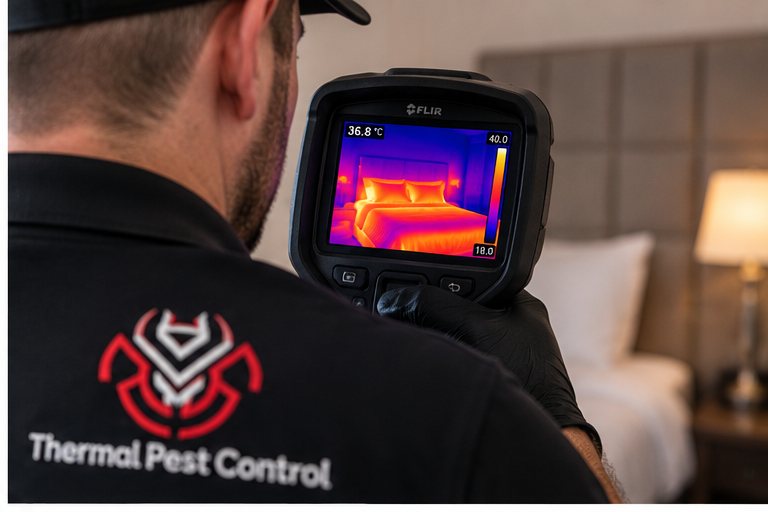
Heat takes most of a day even for one room, and a larger job is planned so that the rooms are taken in a sensible order. The technician will tell you on arrival which parts of the house need to be clear and when. Most households go out for the day and come back once we ring to say the rooms are cooling.
Keep the doors to rooms outside the job closed. Do not carry things from a treated floor to an untreated one while the work is going on, and once it is finished, do not bring the bagged items back into the treated rooms until you have checked them or washed them as instructed.
When Chemical Makes More Sense in a Big House
Size alone does not make heat the answer. If the signs are confined to one bedroom at the top of the house and were caught early, a chemical course in that room can be the sensible, lower-cost choice. The chemical treatment page for Richmond sets out what those visits involve.
Big houses also tend to have a steady flow of people through them: guests, lodgers, family home from university. The borough page is about tracing how bedbugs arrived so that they do not simply come back, and the Mortlake page covers the case of a lodger who goes home at weekends.
What It Costs
Treatments start from £220. Heat costs more than chemical, and the figure for a house rises with the number of rooms in the job. Ring 0800 955 1018 and you will have the price on the phone before anything is booked.
← Bedbug Control Richmond · Bedbug Heat Treatment London, in full
Bedbug Heat Treatment Richmond — Questions
Do you have to heat the whole house?
Rarely. We heat the rooms where people sleep and have signs, plus any that are closely linked to them. Rooms that nobody sleeps in and that show nothing are usually left out.
Can we stay in the downstairs rooms during the day?
Sometimes, depending on which rooms are in the job. The technician will tell you on arrival, and most people find it easier to go out.
Will heat damage old furniture or floorboards?
Tell us about anything antique or delicate when you ring and we will advise whether it should stay in the room. Do not assume either way.
Is there anything left behind after heat?
No, heat leaves nothing in the room. That is why in some cases a light residual is added at the edges afterwards; the technician will say if that applies.
How long before we can sleep in the rooms again?
Once they have cooled, which is usually the same evening. Follow what the technician tells you on the day.
Can a loft room be treated along with the bedrooms below?
Yes, if it is part of the problem. Tell us about it when you ring so it is in the plan and the price.
Bedbug Treatments in Richmond
Every service has its own page for Richmond: heat, chemical, hotels, commercial premises and inspections.
Heat Treatment Advice
The guides that go into bedbug heat treatment in more depth.
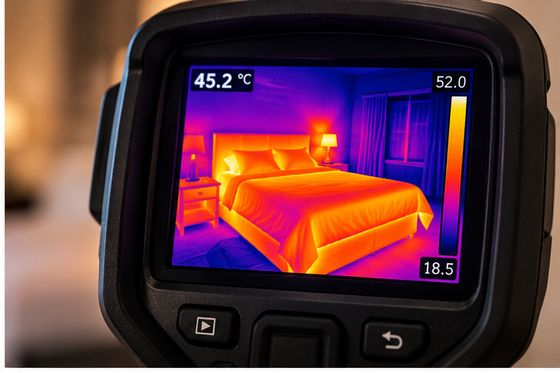
How Heat Treatment Works, and Does It Kill Eggs?
What heat actually does to a bedbug, and why an egg has no defence against it.
Read more →
How Long Does a Heat Treatment Take?
Why one London flat takes four hours and another takes ten, and what decides it.
Read more →
Heat or Chemical: How to Choose
Five questions to ask yourself. Answer them honestly and the right treatment picks itself.
Read more →
Preparing Your Home for Heat Treatment
What to do the week before, the night before and the morning of. A plan, not a list.
Read more →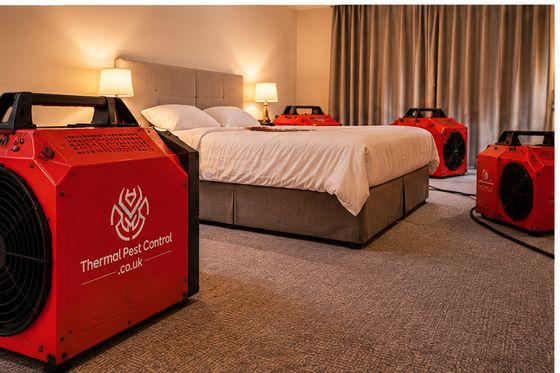
Can Bedbugs Survive a Heat Treatment?
Sometimes, yes. Here are the five ways it happens, and how each one is avoided.
Read more →Bedbug Control Across Richmond
Each area page is written around one situation we deal with.
Tell Us About the Property
Tell us how many bedrooms the house has, on how many floors, and where the signs have been seen, and we will suggest which rooms belong in the job.