

Why a Club Is Different From a Hotel
Bedbugs need to feed on a person who stays still for hours, which is why the London commercial treatment page, for the full explanation, puts buildings with beds in them first. A clubhouse without bedrooms is more like an office: bugs can be carried in and can bite someone sitting on a bench, but they seldom settle to breed there.
So a report from a member is often a sign of a problem somewhere else, usually in a home. That is not a reason to ignore it. It is a reason to check the building properly and to handle the member concerned with care.
Where to Look in Changing Rooms and Rest Areas
If a bug has been found, or a member has come to you with bites they think happened at the club, these are the places to check first:
- Upholstered seating: sofas in a clubroom or bar, padded benches, cushioned chairs in a physio or first-aid room.
- Wooden benches and lockers: cracks, joints and the space behind slatted backs.
- Kit stores: piles of bibs, tracksuits or towels left in bags for weeks.
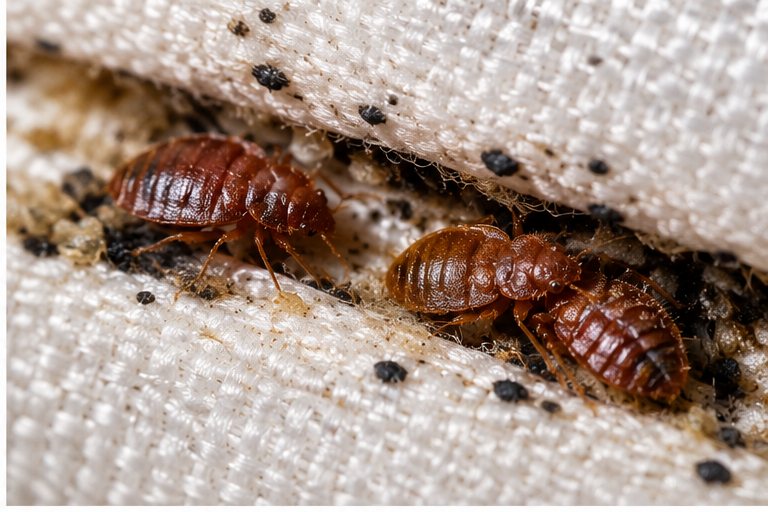
- Lost property: a box of unclaimed clothing and bags is exactly the kind of undisturbed, fabric-filled spot where a few bugs can sit unnoticed.
- Any rest area where staff, stewards or volunteers put their feet up between shifts.
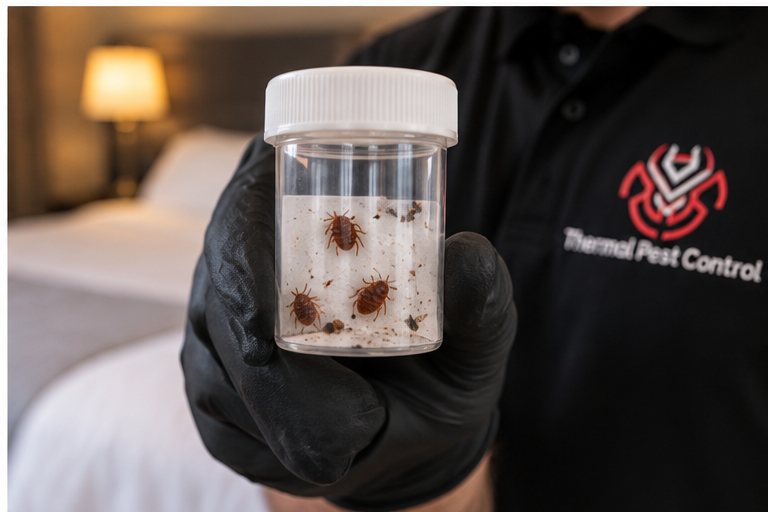
Collect anything suspicious in a sealed bag or pot and photograph it before you ring. A picture often tells us whether it is a bedbug at all.
Boathouses and Rooms Where People Sleep
The picture changes if any part of the building is used for sleeping. Some boathouses and clubs have a bunk room for visiting crews or a training weekend, a flat for a steward or groundsman, or a room where volunteers stay over before an early start. A bed that is used regularly, even by different people, is somewhere bedbugs can establish.
Those rooms are treated like any bedroom. Heat or chemical, depending on the room and how soon it is needed again; the heat treatment page for the borough and the chemical treatment page go through each. A resident steward’s flat is a home in its own right and is planned with the person who lives there.
Handling Members, Hirers and Staff
The person who reported bites may be embarrassed, or worried that they will be blamed. Keep the conversation practical and private.
- Thank them for telling you, and ask what they found and where they were sitting or changing.
- Suggest, without pressing, that they have their own home looked at, since that is the more likely source. The inspections page for the borough explains what that involves.
- Tell other users only what they need to know: that an area is being checked and why it is closed.
- If bites or skin reactions are bothering anyone, a pharmacist or GP can advise. For any sign of a severe allergic reaction, call 999.
Hirers of a function room or hall should be told if a room they have booked is out of use, and given another if you have one.
Keeping Kit From Carrying Them Home
Clubs move a lot of fabric between homes: team kit washed by one member for everyone, bags left in a shared van, coats piled on one chair. Simple habits cut the chance of passing a stray bug along.
- Wash shared kit hot and dry it hot, and carry it in a closed bag rather than an open crate.
- Keep bags on hooks or in lockers rather than heaped on upholstered seating.
- Clear lost property on a regular cycle instead of letting it build up.
- Vacuum soft seating and the edges of changing room floors as part of normal cleaning.
Records and Price
Commercial work is quoted on the rooms or areas involved, and treatments start from £220. The figure is given on the phone on 0800 955 1018 before anything is booked. If your committee or insurer needs something in writing, ask when you ring. For wider advice on stopping bedbugs returning to a busy household, see the borough page.
← Bedbug Control Richmond · Commercial Bedbug Treatment London, in full
Commercial Bedbug Treatment Richmond — Questions
Do we have to close the changing rooms?
Only the areas being checked or treated, and only for as long as the technician advises. Often that is a single room or a set of benches.
Can bedbugs live in a clubhouse with no beds?
They can be carried in and can hide in upholstered seating, but without anyone sleeping there they rarely build up. Finding where they came from usually matters more.
Our boathouse has a bunk room. Is that a bigger concern?
Yes. Any bed that is slept in regularly can hold a breeding population, so that room is treated like a bedroom in a house.
Should we tell all our members?
Tell people what they need to know, such as a room being closed for a check. Naming the person who reported it helps nobody.
Who pays for treatment at a hired venue?
That depends on your lease or hire agreement. We are pest controllers, not legal advisers, and can only describe what we find.
Bedbug Treatments in Richmond
Every service has its own page for Richmond: heat, chemical, hotels, commercial premises and inspections.
Commercial Advice
The guides that go into commercial bedbug treatment in more depth.
Bedbugs in the Workplace
The source is almost always somebody's home. Handling that without humiliating anyone is the real job.
Read more →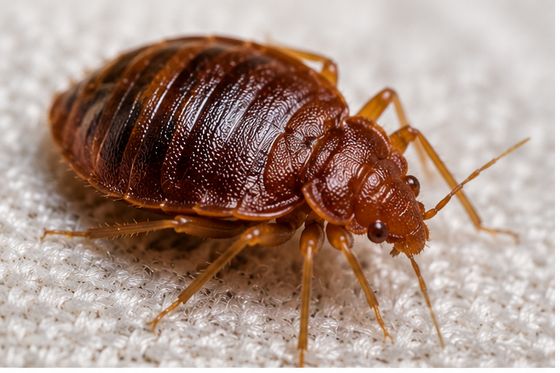
HMOs and Serviced Apartments
Getting into every unit at once is the hard half of block work. How it is actually scheduled.
Read more →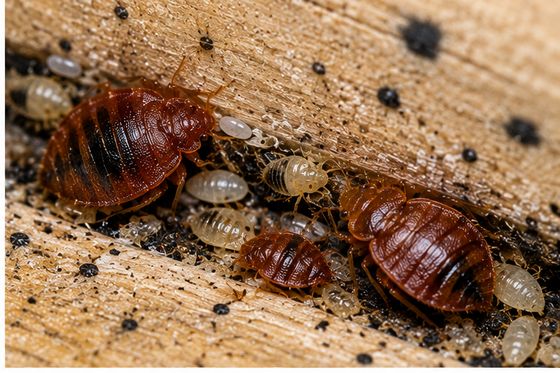
Student Accommodation and Halls
The academic calendar is a pest calendar. Build the inspection programme around it.
Read more →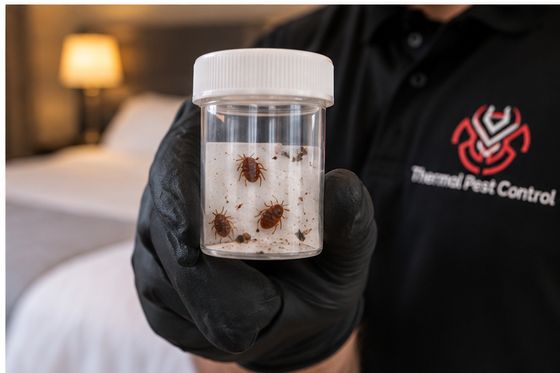
Bedbug Treatment for Care Homes
Treating around a resident who cannot easily move, and why heat is often the wrong answer.
Read more →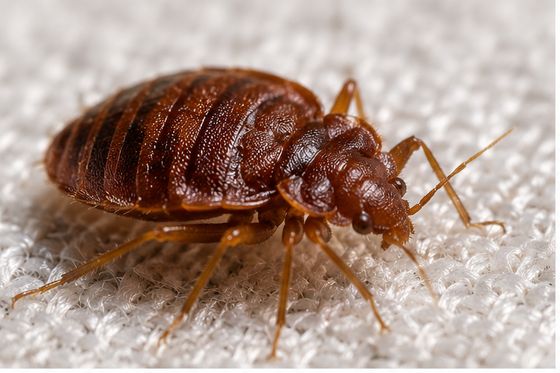
Can Bedbugs Spread Through an Office?
What an office 'infestation' turns out to be when somebody actually investigates it.
Read more →Bedbug Control Across Richmond
Each area page is written around one situation we deal with.
Tell Us About the Property
Tell us what kind of club or venue it is, which rooms are involved and whether anyone sleeps on the premises.