

Booking the Whole Course, Not One Visit
Chemical treatment does not reliably kill eggs, so the second visit is timed to catch whatever hatches after the first. That gap is roughly ten to fourteen days. Sometimes a third visit is needed on the same spacing. Plan for all of it from the start.
When you book, look at your calendar for the next five or six weeks and tell us about any holiday, hospital appointment or long shift pattern that would make a return visit hard. It is far easier to set the dates around those at the beginning than to move a second visit later and lose the timing.
What the insecticide is and where it goes is covered on the London chemical treatment page for the full explanation. This page is about making the course work in a flat.
Flats in Converted Houses
Many period houses in the borough have been divided into two, three or four flats. They are attractive homes, but the division is often only floorboards and stud walls, with pipes and cables running between flats through the same voids.
- Tell us which floor you are on and whether the flats above or below have mentioned bites. A problem that started next door is treated differently from one that started with you.
- Mention the shared hall and stairs, especially any carpeted landing where bags or coats are left. We do not treat communal areas without the freeholder or agent agreeing.
- If you own a share of the freehold, you may be the person who needs to talk to the other flats. We can explain what we found, but we cannot speak for the building.
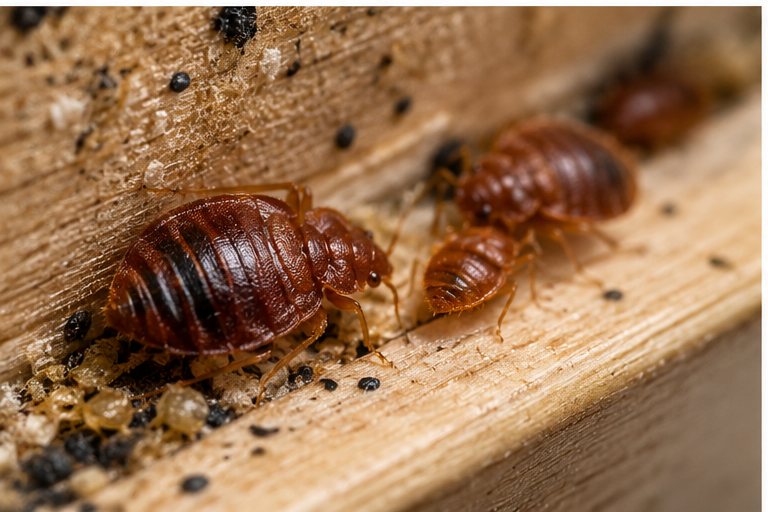
Flats in Council and Housing Association Blocks
In a block, the first job is to report it. Write to the council or housing association, keep a copy, and say what you have seen and where. Who arranges and pays for treatment depends on your tenancy and on how the bedbugs arrived; we are pest controllers, not legal advisers, and the landlord will tell you their own process.
If the landlord asks us to treat, or you decide to go ahead yourself, the practical points are the same: someone needs to let us in on each visit, the preparation has to be done each time, and the course needs to be finished even if the bites stop after the first visit. Stopping early is how eggs that hatched later go on to breed.
Preparing a Flat for Each Visit
Space is the difficulty in most flats. There is nowhere to stack things that is not also a room somebody uses.
- Strip every bed in the rooms being treated and put the bedding straight into bags. Hot-wash and dry it; if you use a shared laundry, carry it there in a sealed bag.
- Clear the floor of each treated room. Bag loose items and leave the bags inside the same room, away from the edges, rather than piling them in the hall.
- Pull the bed a hand’s width from the wall but leave furniture in the room.
- Tell us about anyone at home who is pregnant, has a breathing condition, or keeps fish or birds.
- On the day, be out of the treated rooms for the visit and until the surfaces are dry. The technician tells you when that is. Follow the instructions given on the day.
Each visit takes one to two hours. Repeat the same preparation before the second and any third.
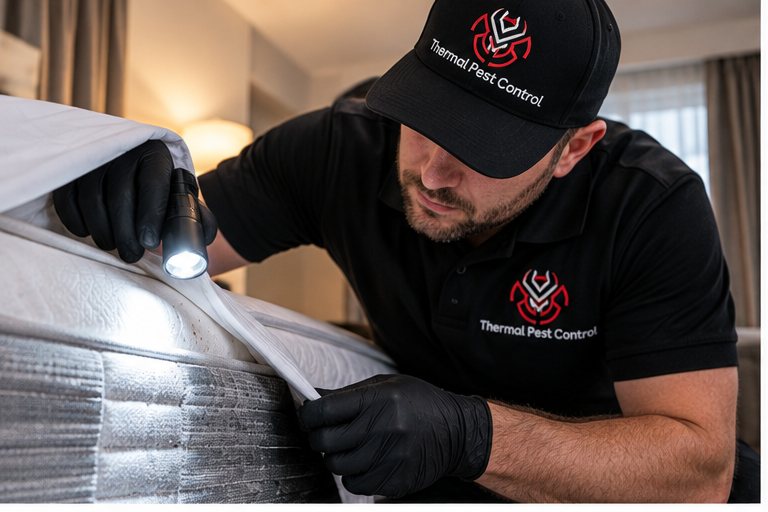
Between Visits
Keep sleeping in your own bed. Moving onto the sofa, or to a friend’s flat, gives the bugs a new place to go. Do not use shop sprays or foggers, which can push them into the next flat through the same gaps they came in by. Vacuum the middle of the floor if you need to, but leave the treated edges alone.
Seeing a bedbug in the first week or two is normal: they are still hatching and crossing the treated surfaces. Note where and when, and tell the technician at the next visit.
If the flat is a short-term furnished let, see the Richmond Town Centre page; if you are renting only until a purchase completes, the Teddington page covers that.
Price, and When Heat Is Worth It
Treatments start from £220 and chemical costs less than heat. The price for your flat depends on the number of rooms and is given on the phone on 0800 955 1018 before anything is booked. If several rooms are affected, or you cannot manage three sets of preparation, the heat treatment page for the borough explains the one-visit route.
← Bedbug Control Richmond · Bedbug Chemical Treatment London, in full
Bedbug Chemical Treatment Richmond — Questions
Does my neighbour need treating too?
Only if they have signs. If they have mentioned bites, or you share a floor void, it is worth them having their flat looked at, but that is their decision or their landlord’s.
Can the course be done with just one visit?
Not reliably with chemical, because eggs survive the first visit. If one visit matters to you, heat is the route that aims for that.
What if I miss the second visit?
Ring as soon as you know, so it can be rebooked as close to the original date as possible. A long gap lets newly hatched bugs start laying.
Will the treatment smell in a small flat?
Some people notice a faint smell while it dries. Keep the treated rooms closed and ventilated as the technician advises.
My landlord says I brought them in. What now?
Put your report in writing and keep copies. Who pays depends on the tenancy and the cause; we can describe what we found, but we are not legal advisers.
Bedbug Treatments in Richmond
Every service has its own page for Richmond: heat, chemical, hotels, commercial premises and inspections.
Chemical Treatment Advice
The guides that go into bedbug chemical treatment in more depth.
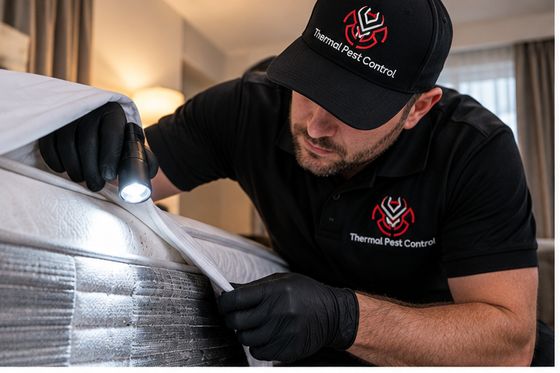
How Professional Chemical Treatment Works
What is actually in a professional treatment, and why it is not the tin from the hardware shop.
Read more →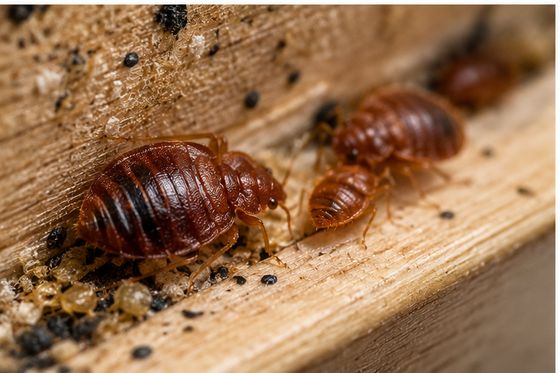
How Many Treatments Does It Take?
The bedbug life cycle sets the number, not the pest controller. Here is the timetable.
Read more →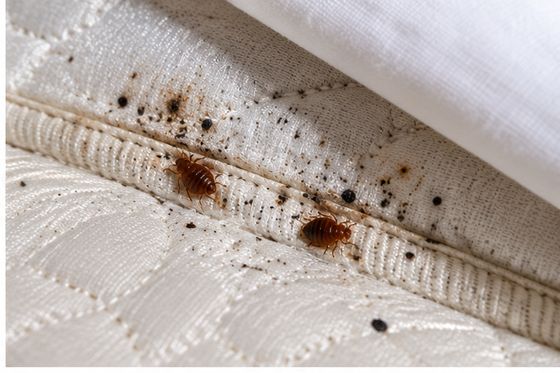
What Happens After the Treatment
Day one to week six, what you will actually see, and when to stop worrying.
Read more →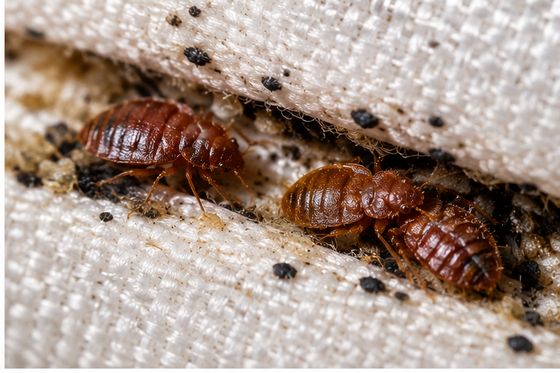
Why Bedbugs Reappear After Treatment
Hatching, survival or re-introduction. Three different problems that look identical.
Read more →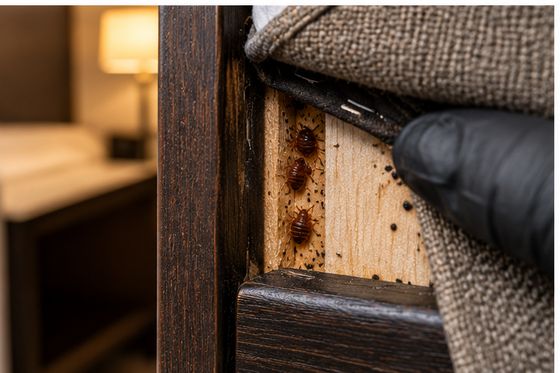
Where Pest Controllers Actually Treat
Why bedbugs choose the places they do, and the places we deliberately leave alone.
Read more →Bedbug Control Across Richmond
Each area page is written around one situation we deal with.
Tell Us About the Property
Tell us whether the flat is in a converted house or a block, which floor it is on, and how many rooms are affected, and we will plan the dates with you.