

Why a Course Suits Many Flats
The residual goes into seams, frames and skirtings, keeps working after we leave, and is followed by a second visit, sometimes a third, about ten to fourteen days later to catch what hatches. Each visit is one to two hours. In a flat that is a morning, not a day, and there is no need to find somewhere for the whole household to go.
The London chemical treatment page sets out why it takes more than one visit, for the full explanation. This page covers what changes when the home is a flat.
Neighbours Above, Below and Beside
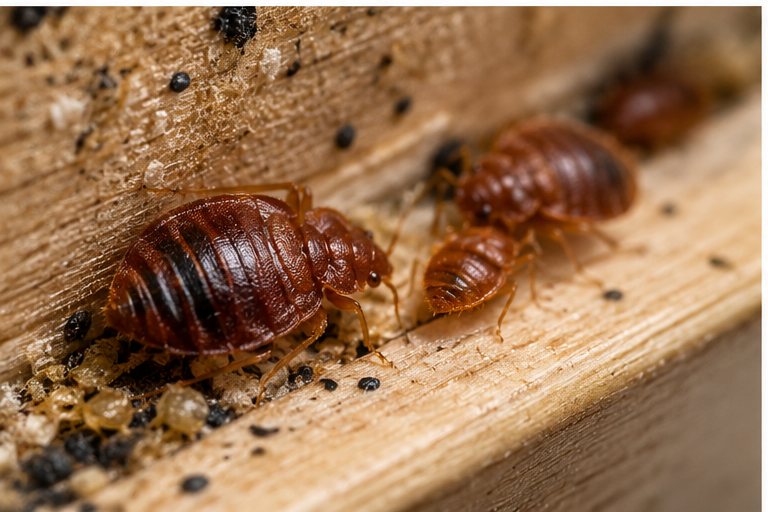
A flat shares walls, floors, ceilings and pipe runs with other homes. Bedbugs can travel through those, so the question is not only what is in your bedroom but whether the flat next door has the same thing. We treat your flat thoroughly, including the edges along the shared walls, and we tell you if what we see points to a neighbour.
- If you rent from a council, housing association or private landlord, report it in writing, with the date and what you have seen. Who arranges and pays depends on the tenancy and the cause; we are pest controllers, not legal advisers.
- If the block has a managing agent, tell them too. They are the ones who can arrange for the flats around yours to be looked at.
- If you get on with a neighbour, a plain word helps. It is a common insect, not a verdict on anyone’s housekeeping.
If that conversation is the hard part, our guide on telling people has some plain wording.
Getting a Small Flat Ready
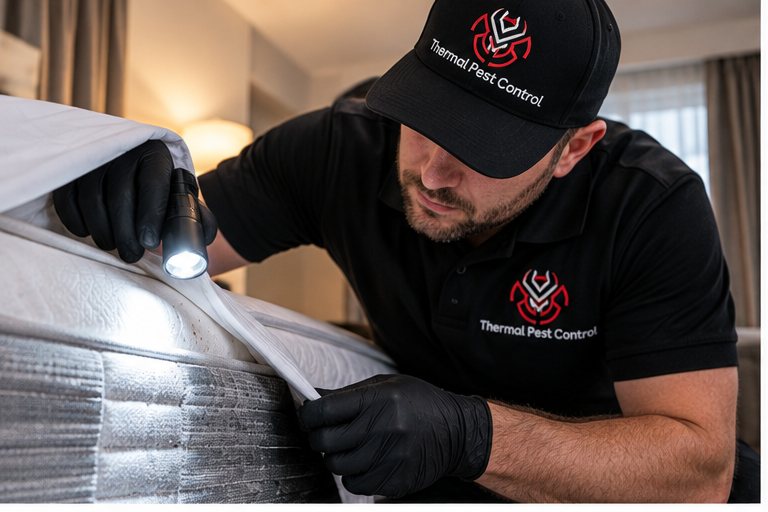
The preparation list is short: strip and hot-wash the bedding, bag it, and clear the floors so we can reach the skirtings. The difficulty in a flat is space. There is no spare room to pile things in, and the communal corridor is not an option.
- Use the bath or a clear patch of kitchen floor as the holding area for bagged items. Hard floors are easier to check than carpet.
- Tie bin bags closed in the bedroom before they go anywhere. Do not leave them on the landing or in the stairwell, where they can be torn or picked up by someone else.
- If you use a launderette, carry the bedding there sealed and put it straight into the machine on a hot wash. Bring it home in a fresh bag.
- Leave the furniture where it is. Taking a bed or a sofa down the communal stairs spreads bedbugs along the way, and dumping it by the bins can pass them to whoever takes it.
The Fortnight Between Visits
Carry on sleeping in your own bed. The bedbugs that hatch have to cross the treated surfaces to reach you, and that is how the course works. Moving onto the sofa in a one-bedroom flat just takes the problem into the only other room you have.
Do not use shop sprays, and do not scrub the skirtings we treated. Hoovering is fine. If you see the odd bedbug in the first week or so, that is expected; keep a note and tell us at the second visit. For bite marks that bother you, a pharmacist or GP can help, and our guide on how long bites last explains why new marks do not always mean new bites.
When a Flat Is Better Off With Heat
Chemical is not always the right call. If bedbugs have already reached the living room as well as the bedroom, if an earlier treatment did not hold, or if you cannot keep sleeping in the flat for the fortnight, heat treatment in Sutton is usually the better answer, and we will tell you so.
Two situations that come up in flats have their own pages: a housemate who is away when you find them is covered on the Sutton Town Centre page, and a newer flat with sealed windows and mechanical ventilation on the Hackbridge page.
Price for a Flat
Treatments start from £220, and the follow-up visit is part of the course. The figure depends on how many rooms are involved, and we give it on the phone before booking. If your landlord is arranging it, they can ring us direct on 0800 955 1018.
← Bedbug Control Sutton · Bedbug Chemical Treatment London, in full
Bedbug Chemical Treatment Sutton — Questions
Is chemical treatment enough for a one-bedroom flat?
Often, yes, if it is caught while it is still in the bedroom. If it has reached the sofa or the living room, we will talk to you about heat.
Will you treat my neighbour's flat as well?
Only if we are asked to by them or by whoever manages the building. We treat your flat and tell you if what we see suggests the problem is coming through a shared wall.
How long do I have to stay out after each visit?
Until the treated surfaces are dry, which is usually a few hours. After that you can go back in and sleep in the bed as normal.
I have no washing machine. What do I do with the bedding?
Bag it in the bedroom, tie the bag, take it to a launderette sealed and put it straight on a hot wash. Bring it home in a clean bag.
Should I get rid of the sofa?
Not unless we advise it. Carrying it through a block spreads bedbugs to the stairs and the bin area, and most sofas can be treated where they stand.
Who pays if I rent the flat?
It depends on the tenancy and the cause. Report it to your landlord in writing and ask; we are pest controllers, not legal advisers.
Bedbug Treatments in Sutton
Every service has its own page for Sutton: heat, chemical, hotels, commercial premises and inspections.
Chemical Treatment Advice
The guides that go into bedbug chemical treatment in more depth.
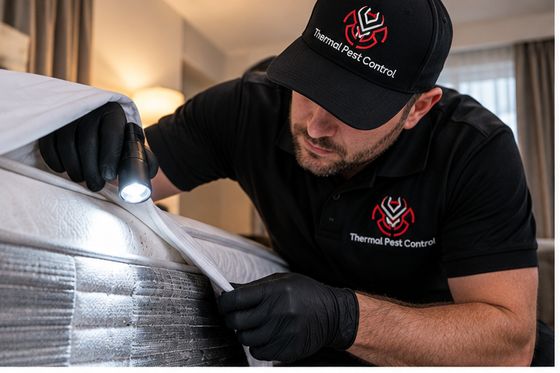
How Professional Chemical Treatment Works
What is actually in a professional treatment, and why it is not the tin from the hardware shop.
Read more →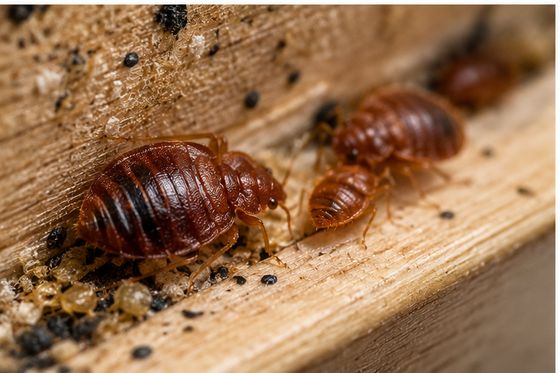
How Many Treatments Does It Take?
The bedbug life cycle sets the number, not the pest controller. Here is the timetable.
Read more →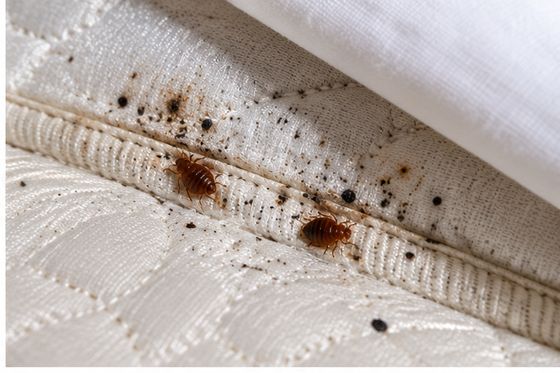
What Happens After the Treatment
Day one to week six, what you will actually see, and when to stop worrying.
Read more →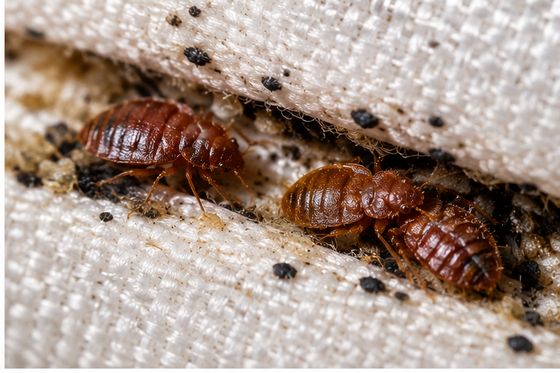
Why Bedbugs Reappear After Treatment
Hatching, survival or re-introduction. Three different problems that look identical.
Read more →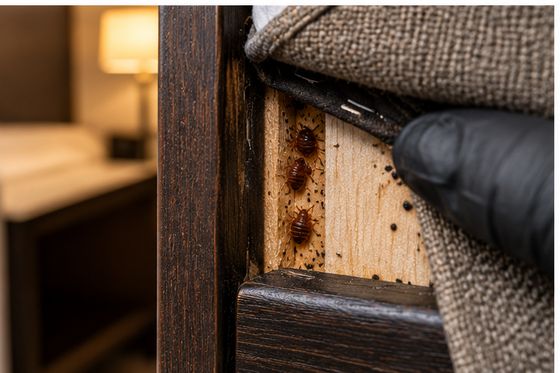
Where Pest Controllers Actually Treat
Why bedbugs choose the places they do, and the places we deliberately leave alone.
Read more →Bedbug Control Across Sutton
Each area page is written around one situation we deal with.
Tell Us About the Property
Tell us how many bedrooms the flat has and where you have seen signs, and we will call back with a price.