
- Soft-Lined Cases and Gig Bags
- Instruments Kept Near the Bed
- Why Instruments Come Out Before Heat
- Chemical Treatment and Your Kit
- Taking Your Case on the Road
Musicians carry their cases everywhere and put them down wherever there is space, which is often next to a bed. That makes a case one of the ways bedbugs can travel, much like a suitcase. The instrument inside is rarely involved; the lining, pockets and seams around it are what count.
Soft-Lined Cases and Gig Bags
Bedbugs look for dark, tight, undisturbed folds. A case with a plush lining, a padded neck rest, an accessory compartment and stitched edges has plenty of them. A gig bag adds zip channels, external pockets and shoulder-strap seams.
- The seam where the lining meets the shell, all the way round.
- Under the neck or bow rest, and inside the accessory pocket.
- The zip channels and the fold at each end of the zip.
- External pockets that hold music, cables or spare strings.
- Handles, strap anchors and any loose fabric flaps.
Signs look the same as on a mattress: small dark spots, pale shed skins, and occasionally a live bug or cream-coloured eggs tucked into a fold. A torch helps. A hard shell with no lining gives them much less to work with.
Instruments Kept Near the Bed
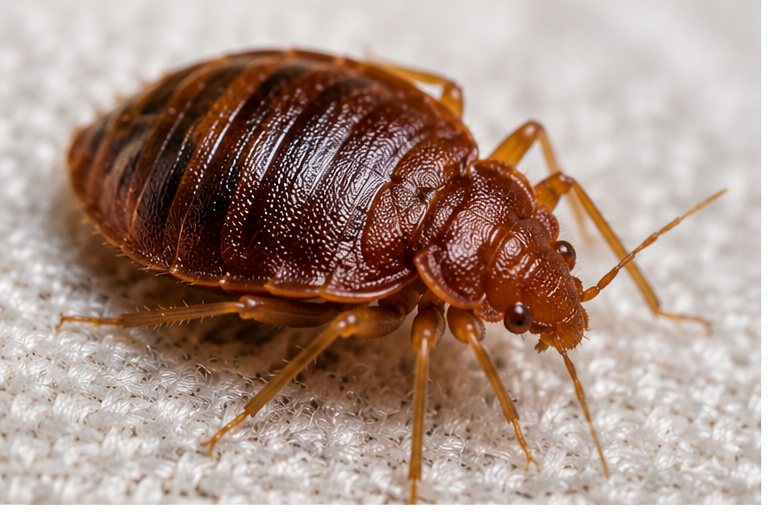
In a small flat or short-term digs, instruments often live in the bedroom: a guitar on a stand by the bed, a keyboard against the wall, a case under the bed. The closer anything is to where someone sleeps, the more likely it is to be used as a hiding place when numbers grow.
A wooden stand with joints, a case slid under the bed frame and a stack of music on the bedside table can all end up with bugs in them. If you have found bedbugs in the bed, check whatever stands within reach of it before you take it anywhere. Performers living in temporary rooms during a run will find more on the Soho page.
Why Instruments Come Out Before Heat
Heat treatment raises the whole room to a temperature bedbugs cannot survive and holds it there. Instruments, particularly anything glued or strung, are on the list of things that come out first, alongside aerosols, candles, medication and vinyl. The risk is to the instrument, not to the treatment.
- Before the day, open each case in good light and check the lining and pockets.
- Take the instrument out of the case and look it over; it is very rarely where they are.
- Move instruments to a room with no signs of bedbugs, or away from the flat if you can.
- If a soft case shows signs, tell us; it may be better left in the room being treated, empty, than carried out.
- Bring everything back once the room has cooled and the job is done.
What to do with a particular case or instrument is worth a conversation before the day, so ask when you ring. The Westminster heat treatment page covers the rest of the preparation in a flat.
Chemical Treatment and Your Kit
With chemical treatment the residual insecticide goes into seams, frames, skirtings and joints in the room, not onto instruments. Keep instruments and cases away from treated surfaces while they dry, and follow the instructions given on the day. Because chemical does not reliably kill eggs, it usually runs to two or three visits about 10 to 14 days apart, so keep the kit out of the treated room between visits. See the chemical treatment page for how the course works.
Taking Your Case on the Road
If you play in different venues or stay in digs and hotels, a few habits help. Keep the case zipped and off the bed, stand it on a hard floor, and look in the pockets when you get home before it goes back into the bedroom. Washable covers and cloths can go through a hot wash. If a bug turns up anyway, what to do the first night covers the next few hours.
Related Questions
Can bedbugs damage an instrument?
They do not eat wood, strings or finishes. The concern is the case lining as a hiding place, and the instrument coming out before heat.
Should I spray my case with a shop insecticide?
No. It can mark linings, it scatters bedbugs rather than dealing with them, and it will not reach the folds where they sit.
Do I need a new case?
Not usually. Tell us what you have found and we will talk through whether it can be treated in the room.
Can a piano stay in the room for heat treatment?
Ask when you ring. Large pieces that cannot easily be moved need planning, and we would rather talk it through than guess.
More Bedbug Advice for Westminster
Written up in full for people in the borough, and worth reading before the treatment day.

Can Bedbugs Live in Houseplants?
Why soil is not their home, what is usually in the pot instead, and where plants go before heat.
Read more →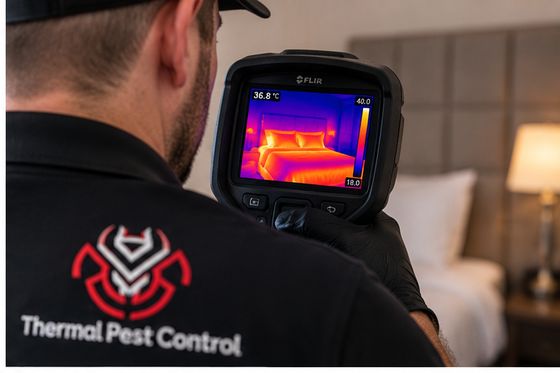
Reading an Inspection Report
What each section says, what a clear result really tells you, and the next step either way.
Read more →
When Can You Sleep in Your Bed Again?
After heat, after chemical, and why your own bed is the right place to be between visits.
Read more →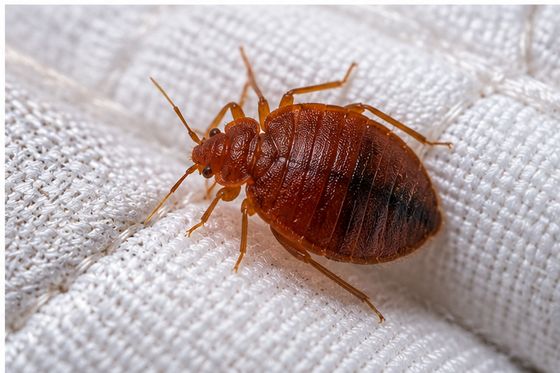
Found a Bedbug on Your Pillow?
Catch it, keep it, leave the bed where it is, strip what matters, and ring in the morning.
Read more →Bedbug Control Across Westminster
Each area page is written around one situation we deal with.
Bedbug Treatments in Westminster
Every service has its own page for Westminster: heat, chemical, hotels, commercial premises and inspections.
Tell Us About the Property
Tell us what you have seen and where, and we will tell you what it needs.