

Why Identification Comes First
A bedbug treatment is aimed at a bedbug: the places it hides, the way it feeds, the eggs it leaves. A mite from a bird’s nest or a flea from a pet lives somewhere else and needs a different answer. So before we quote for heat or chemical, we want to know which insect we are dealing with. The London bedbug inspections page has the full explanation of what an inspection covers.
The Usual Suspects
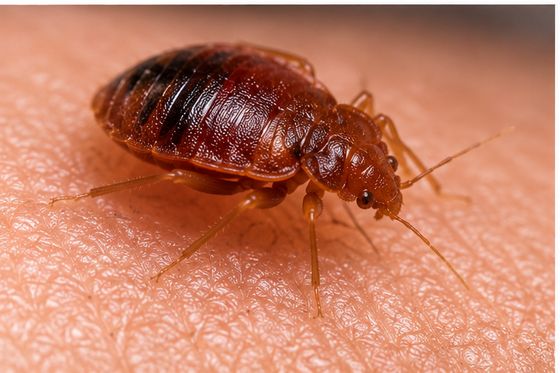
These are the insects people most often mistake for bedbugs, or the other way round. None of them can be identified for certain from a description, but each leaves its own pattern:
- Bat bugs look almost exactly like bedbugs to the naked eye. They come from bats roosting in a roof or wall. Bats are protected, so a roost is never something to disturb yourself.
- Bird mites are far smaller, move quickly, and often turn up on walls, ceilings and window frames near an old nest, usually after the birds have left.
- Carpet beetle larvae are small and hairy. People find them, and their shed skins, in wardrobes, under beds and along carpet edges.
- Fleas jump, bite mostly around the ankles, and usually point to a pet or a previous occupant’s pet.
- Booklice are pale and tiny and gather where it is damp, not in mattress seams.
If your house backs onto open land and you suspect a nest in the roof, the Enfield Lock page works through that situation in detail.
What to Collect Before You Ring
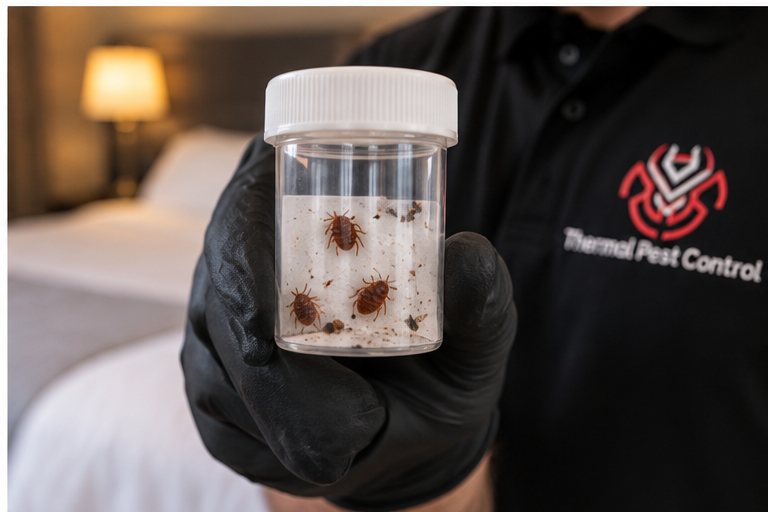
The most useful thing you can give us is the insect itself. A clear sample saves time on the phone and on the visit.
- Press a strip of clear sticky tape over the insect and stick it to white paper or card.
- Or drop it into a small sealed bag or a clean jar with a lid.
- Photograph it next to a coin, in good light, with the camera close.
- Note where you found it, what time of day, and whether it was on the bed, a wall or a window.
- Photograph any bites on the day they appear, and write down the date.
If you have not found an insect yet, the guide on how to check your own bed tells you where to look and what to keep.
The Questions We Ask on the Phone
Before booking anything, we ask about the pattern. Are the bites at night, in bed, or at any time and anywhere in the house? Have birds nested under the eaves or in the loft this year? Do you have pets, or did the last occupants? Has anyone stayed away recently, or had guests stay? The answers often point one way before we arrive, and the visit confirms it. If the pattern does not fit bedbugs at all, we say so on the phone, before you have spent anything.
Bites alone do not identify an insect. People react differently, and some do not react at all, which is why it can seem that only guests get bitten; the Cockfosters page covers that. For a skin reaction, see a pharmacist or GP, and call 999 for any sign of a severe allergic reaction.
What Happens on the Visit
We look at the beds, the frames, the furniture near them and the places bedbugs hide, and we look for the traces a lookalike leaves: a nest near a window, a pet’s bedding, shed larval skins in a wardrobe. We check the rooms either side of the bed as well, and the sofa if anyone has been sleeping on it. You get an answer on the visit where we can give one, and we tell you plainly if a sample needs a closer look.
What the Answer Means
If it is bedbugs, we tell you how far they have spread and whether heat or chemical treatment suits your home, with the price. If it is something else, we say so plainly, and you do not book a bedbug treatment you do not need. Inspections start from £120; ring 0800 955 1018. The Enfield bedbug control page has more for households in the borough.
← Bedbug Control Enfield · Bedbug Inspections London, in full
Bedbug Inspections Enfield — Questions
How much is a bedbug inspection?
Inspections start from £120. You get the exact figure on the phone before the visit is booked.
Can you tell from a photo?
A clear, close photo next to a coin helps a great deal, but an insect on tape or in a sealed bag is better, and the visit confirms it.
Are bat bugs the same as bedbugs?
No, though they look almost identical. They come from bats, and bats are protected, so do not disturb a roost yourself.
What if it turns out not to be bedbugs?
We tell you what we found and that a bedbug treatment is not needed. You do not book one.
Should I spray the room before the inspection?
No. Spraying scatters insects and can hide the evidence we need to see. Leave the room as it is.
Do bites tell you what the insect is?
Not reliably. People react differently to the same bite, and some do not react at all.
Bedbug Treatments in Enfield
Every service has its own page for Enfield: heat, chemical, hotels, commercial premises and inspections.
Inspection Advice
The guides that go into bedbug inspection in more depth.
Bedbugs, or Something Else?
A walkthrough you can do tonight with a torch, and what to do with what you find.
Read more →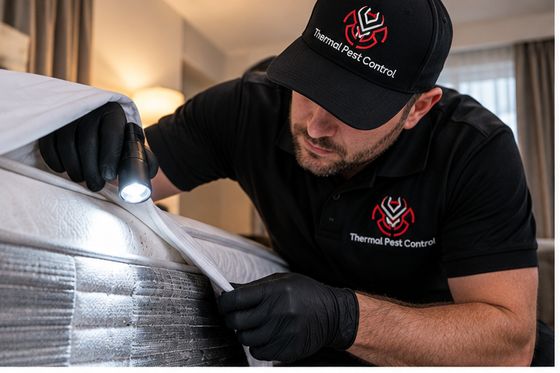
What Happens During an Inspection
From your side of it: how long, whether you stay, what we will ask and what we will move.
Read more →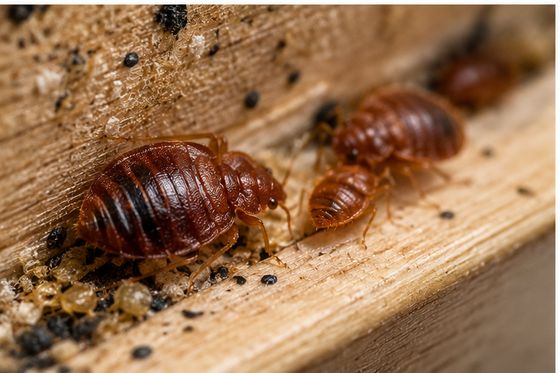
The Places That Get Missed
Beyond the bed and the two-metre radius: the harbourages that survive a mediocre inspection.
Read more →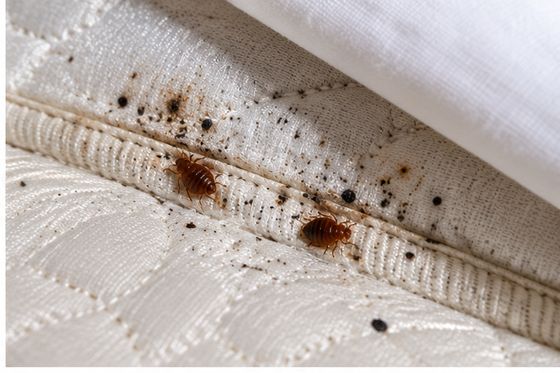
The Early Signs, and the Timeline
Week one to month six. What is detectable when, and why 'early' is mostly invisible.
Read more →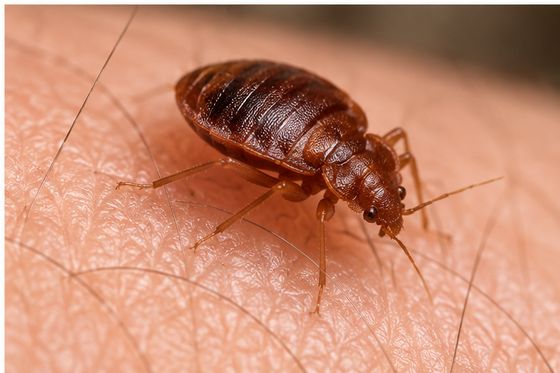
Inspection First, or Straight to Treatment?
When the £120 saves you money, and when it is £120 you did not need to spend.
Read more →Bedbug Control Across Enfield
Each area page is written around one situation we deal with.
Tell Us About the Property
Tell us what you have found, where, and whether you have kept a sample.