

Where Staff Sleep, Bedbugs Can Stay
The London commercial bedbug treatment page explains how we work with businesses in general, for the full explanation. For airport-area employers the first question is simple: where in the building does anyone lie down or sit still for a few hours? That list is where attention goes first, not the open-plan office.
- Rest rooms with sofas, recliners or beanbags used between duties.
- Nap pods and bunk rooms for split shifts and long days.
- Crew rooms and rooms kept for staff to stay the night before an early start.
- First-aid and quiet rooms with a couch that doubles as somewhere to rest.
- Security and control rooms staffed through the night with a padded chair or two.
Rest Rooms and Soft Seating
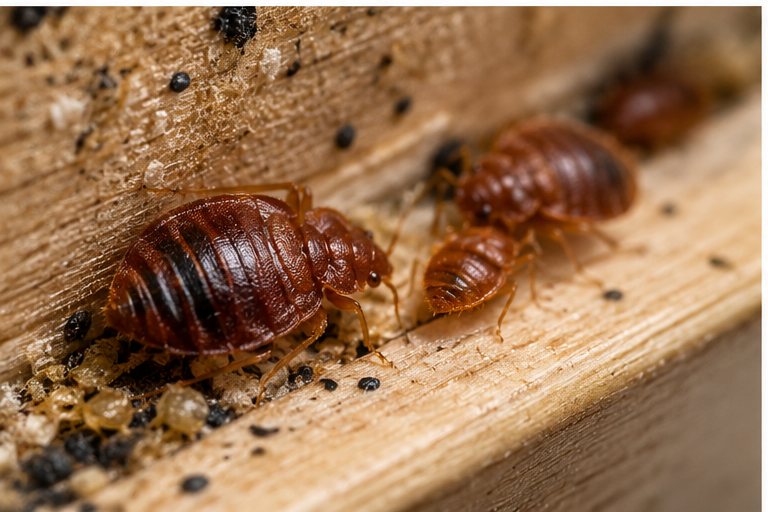
Upholstered seating in a rest room is used by many people, day and night, and bags are dropped beside it. That is the combination to look at. Seams, the underside of cushions, the joints of recliners and the gap where a seat meets its frame are the places to check. If a member of staff reports bites after a break, look at the chair they used before anyone moves it.
Replacing fabric seating with wipeable seating in rest areas makes checks quicker, but it is not a treatment in itself, and throwing out a sofa before it has been looked at can spread bedbugs along the corridor it is carried down.
Crew and Staff Accommodation
Rooms kept for staff to stay in behave more like a small hotel than an office, but with one difference: nobody owns the room, and nobody is its guest for long enough to complain. Put one person in charge of checking beds at each change of occupant, and give them the same short routine a hotel housekeeper would use. The hotel treatment page for Hillingdon covers rooms that turn over nightly, and much of it applies here.
When a room needs treating and has to be back in use quickly, heat is usually a single visit and the room is ready once it has cooled. Where rooms share walls and service runs, a light residual may also go along the edges, because heat leaves nothing behind. If the room can stand empty for a few weeks, a chemical course costs less.
Lockers, Kit Bags and Uniforms
An airport workforce carries a lot of bags between home, work and sometimes hotels abroad. When bedbugs turn up at work, the source is often a home, and treating the rest room alone will not end it. Handle it without blame:
- Tell staff what has been found and where, in plain words, without naming anyone.
- Ask people to keep bags on hard surfaces and off soft seating in rest areas.
- Offer bags for uniform so it goes home sealed and comes back washed.
- Encourage anyone with bites or signs at home to get their home looked at.
- Have the lockers nearest the affected area checked before they are emptied or moved.
Who pays for treatment in an employee’s home is a matter between them and their landlord or household, not something we can advise on; we are pest controllers, not legal advisers. Our guide on getting bedbugs from a plane is useful for crew who wonder whether it came from work.
Working Round a Site That Does Not Close
Many businesses near the airport run around the clock, so there is no evening when the building is empty. Plan to take one room out of use at a time and tell us your quietest period. A bedbug inspection in Hillingdon across all your rest and sleeping areas is the best starting point when you do not know how far it goes. Every commercial visit ends with a written report of what was checked, what was found and what was done.
How We Price Commercial Work
It is quoted on the rooms or units involved. Treatments start from £220 and inspections start from £120. Ring 0800 955 1018 with a list of the rooms where staff rest or sleep, and you will have the figure on the phone before anything is booked. For your own home, see the Hillingdon borough page.
← Bedbug Control Hillingdon · Commercial Bedbug Treatment London, in full
Commercial Bedbug Treatment Hillingdon — Questions
Do we need to treat the whole building?
Rarely. Bedbugs settle where people rest or sleep, so those rooms are checked first and treated if needed. Offices and corridors usually only need looking at.
A member of staff has bites. Is our rest room the cause?
It might be, or they may be bringing bedbugs from home. An inspection of the rest areas tells you which, before you spend on treatment.
Can you treat crew rooms without closing them all?
Usually one room at a time. Tell us how many you can take out of use together and we plan around it.
Should we get rid of the sofas in the rest room?
Not before they have been looked at. Moving them out can spread bedbugs, and seating can often be treated.
Will we get something in writing?
Yes. Each commercial visit ends with a written report of what was inspected, found and done.
How are commercial jobs priced?
On the rooms or units involved. Treatments start from £220 and inspections from £120.
Bedbug Treatments in Hillingdon
Every service has its own page for Hillingdon: heat, chemical, hotels, commercial premises and inspections.
Commercial Advice
The guides that go into commercial bedbug treatment in more depth.
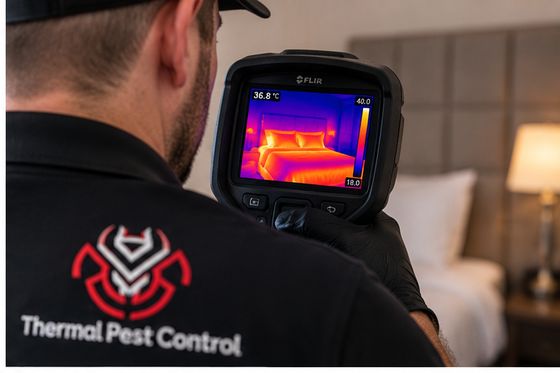
Bedbugs in the Workplace
The source is almost always somebody's home. Handling that without humiliating anyone is the real job.
Read more →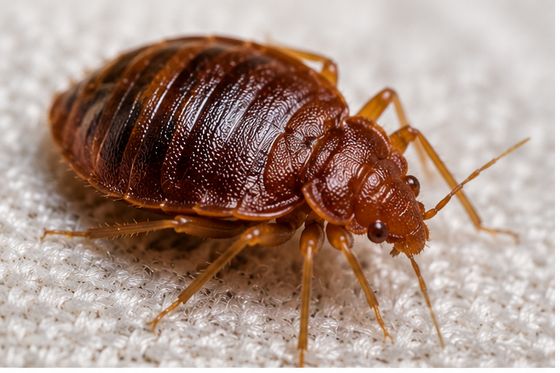
HMOs and Serviced Apartments
Getting into every unit at once is the hard half of block work. How it is actually scheduled.
Read more →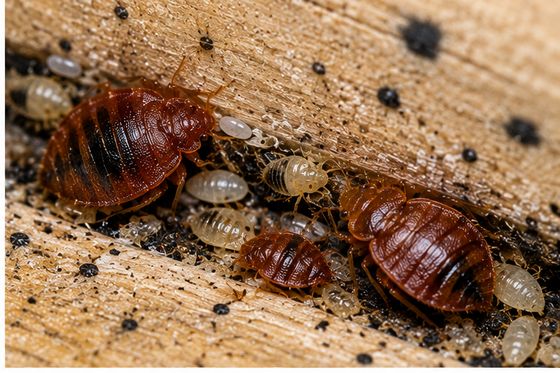
Student Accommodation and Halls
The academic calendar is a pest calendar. Build the inspection programme around it.
Read more →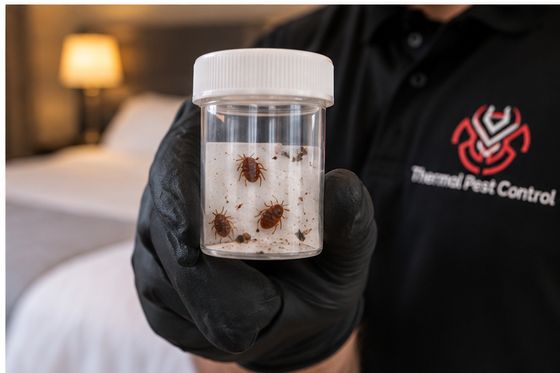
Bedbug Treatment for Care Homes
Treating around a resident who cannot easily move, and why heat is often the wrong answer.
Read more →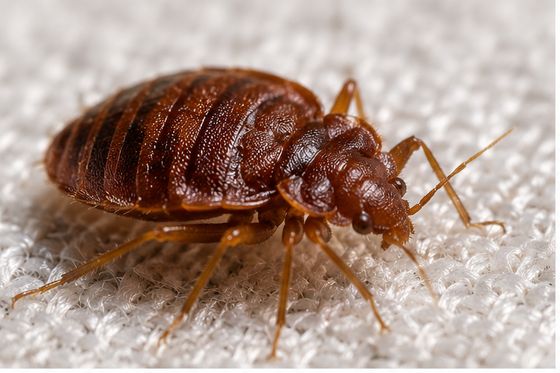
Can Bedbugs Spread Through an Office?
What an office 'infestation' turns out to be when somebody actually investigates it.
Read more →Bedbug Control Across Hillingdon
Each area page is written around one situation we deal with.
Tell Us About the Property
List the rooms where staff rest or sleep and what has been found, and we will ring you back.