
- Why Bedbugs Use Door Frames
- Checking a Door Frame Yourself
- How Treatment Reaches Them
- Sealing Gaps After Treatment
An architrave is the moulded strip of timber that frames a doorway and covers the joint between the door lining and the plaster. It is nailed or glued on, and over time it shrinks, the paint cracks and a gap opens along its edge. Behind it there is often a void where the plaster stops short of the frame.
Why Bedbugs Use Door Frames
Bedbugs hide in tight, dark cracks close to where people rest. In a small bedroom, the door frame can be just a few steps from the bed, and when the bed, the frame and the skirting are crowded, bugs spread outward to the next available crack. The architrave is often it.
Door frames are also routes. The void behind a frame runs up the wall and meets the skirting on either side of the doorway, so a bug can move from one room to the next without crossing open floor. On a front door in a block of flats, the frame meets a communal corridor, which is one of the ways they pass between homes.
Checking a Door Frame Yourself
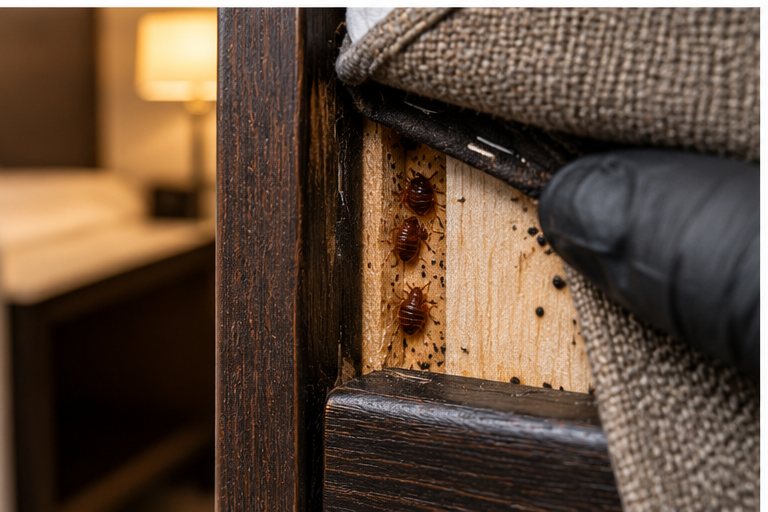
- Use a torch held flat to the wall so it throws light along the gap.
- Start at the bottom of the frame, where it meets the skirting, and work up both sides.
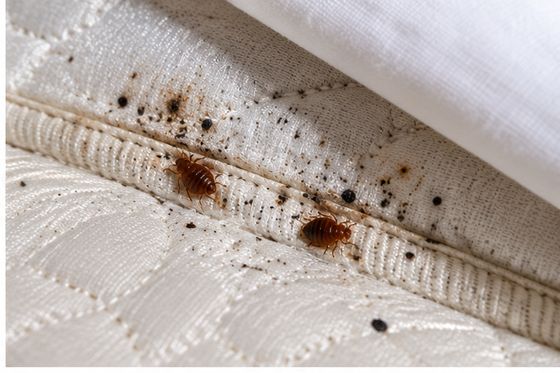
- Look for dark spotting like ink dots, pale shed skins, tiny white eggs and live bugs.
- Slide a thin card into the gap and draw it out slowly to see what comes with it.
- Check the hinge side and the top of the frame too, and the door stop strip.
- Photograph anything you find, and catch a bug in a jar or on tape if you can.
Do not pull architraves off to look behind them. It spreads dust and bugs, and it is rarely needed for treatment. If signs are on the frame, they are almost certainly around the bed as well. The London guide on where bedbugs hide that get missed covers other spots like this.
How Treatment Reaches Them
Chemical treatment puts a residual insecticide into the gap along the architrave and where the frame meets the skirting, as part of treating the edges of the room. Bugs coming out of the gap to feed cross the treated surface. Because eggs are not reliably killed, the follow-up visits about 10 to 14 days apart matter here as much as anywhere.
Heat treatment raises the whole room, including the frame and the wall around it, to a temperature bedbugs cannot survive. Door frames are one of the places the thermal camera is pointed at, because timber against a cooler wall or corridor can lag behind. In a shared building, a light residual may be put along the frame of the front door afterwards, as heat leaves nothing behind.
The heat and chemical pages for the borough cover how each works in its typical homes.
Sealing Gaps After Treatment
Once treatment is finished, filling cracks along architraves and skirtings with decorator’s caulk leaves fewer places for bedbugs to hide in future. Do it after the treatment, not before: sealing a gap with live bugs in it just shuts them in, and it can stop a chemical treatment reaching them. Ask us if you are unsure about the timing. In a rented home, check with the landlord before changing woodwork.
If bites return after treatment, the door frames are one of the first places to look again. The London guide why bedbugs reappear after treatment explains the other common reasons.
Related Questions
Can bedbugs come under the front door from the corridor?
They can move along the edges of a doorway and through gaps in the frame. Tell your landlord or managing agent in writing if you think they are coming from the building.
Should I tape over the gaps around my door frames?
Not before treatment. Taping can trap bugs where treatment cannot reach them. Seal gaps afterwards once we have said it is finished.
Do I need to remove the door for treatment?
No. Doors and frames stay where they are for both heat and chemical treatment.
More Bedbug Advice for Newham
Written up in full for people in the borough, and worth reading before the treatment day.
Keeping Your Mattress
Most mattresses can be treated and kept; here is when that is not true, and how to tell.
Read more →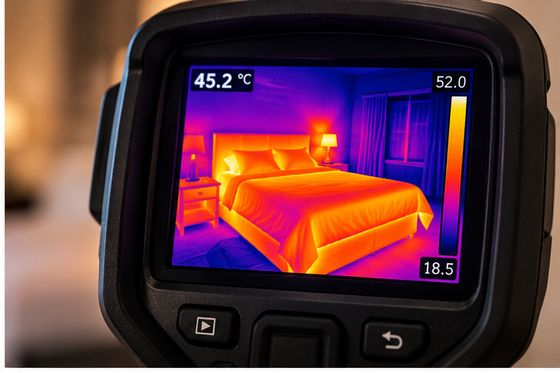
Electric Blankets and Bedbugs
Warm is not the same as lethal: why a heated bed does not work, and why trying it is risky.
Read more →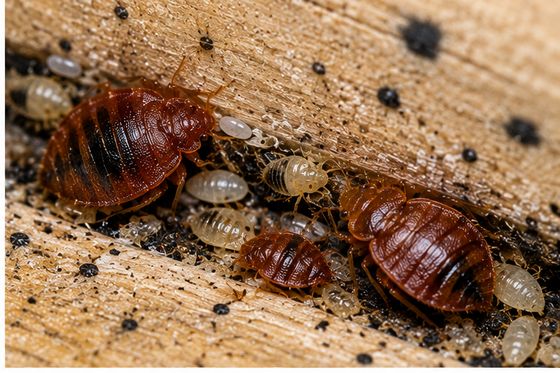
Do Clothes Have to Go?
Almost never: washing, drying, bagging and heat for clothes, and the awkward items.
Read more →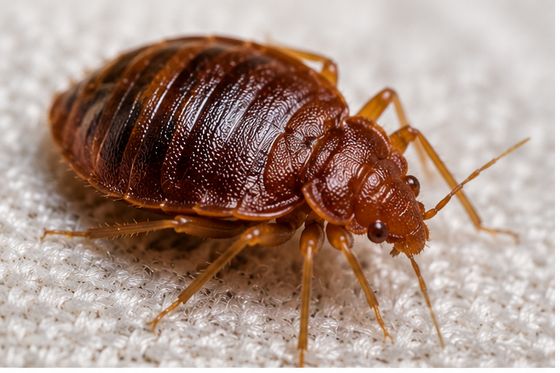
Bedbugs and Other Pests
Mice, cockroaches or fleas as well as bedbugs: why each needs its own treatment, and the order.
Read more →Bedbug Control Across Newham
Each area page is written around one situation we deal with.
Bedbug Treatments in Newham
Every service has its own page for Newham: heat, chemical, hotels, commercial premises and inspections.
Tell Us About the Property
Tell us what you have seen and where, and we will tell you what it needs.