

Start with a Map of the Building
Before anything is treated, list every unit and what sits around each one: above, below, either side, and across a shared kitchen or bathroom. A report from one room in a hostel tells you where to start looking, not where the problem ends.
On that map, mark which units have reports, which are next to them, which are empty and which are due for a move-in. That is the basis for a survey and a quote. The London commercial bedbug treatment page covers the building types and paperwork for the full explanation.
Survey, Then Treat in the Right Order
- Inspect the reported units and the ones around them, so the plan is based on what is there rather than on who complained.
- Treat every affected unit in the same visit or the same week, so bedbugs are not pushed from a treated room into an untreated one.
- Treat the adjoining units where the survey says so, even without a complaint from them.
- Book the follow-up visits for all of them together.
- Check the shared rooms, such as a common room with soft seating, as part of the same round.
Whether each unit gets heat or chemical depends on the unit. The borough pages for heat and chemical treatment set out what each asks of the people living there.
Preparing Residents Who Have Little Space
People in temporary accommodation often have everything they own in one room. Asking them to clear the floor and wash every piece of bedding is a lot, and a plan that ignores that will fail on the day. What helps:
- A short written note for each resident, in plain English, with a translation where needed, saying what to do and when.
- Bags provided for clothes and bedding, rather than assumed.
- Access to the building's laundry, or a launderette arranged, before the visit.
- A named person on your side who residents can ask, and who will be there on the day.
- Clear dates, so nobody is out when their room is due.
Residents with more things than space often ask whether to throw clothes away. The answer is almost never; our guide explains why.
Some residents will be worried that a report counts against them, or that they will be moved on. Say plainly in the note that reporting bites or bugs helps everyone in the building, and that the aim is to treat the rooms, not to blame anyone. Buildings where people feel able to report early are much easier to deal with than ones where it is hidden for weeks.
Moves In and Out During Treatment
In temporary housing, people arrive and leave at short notice. A resident moved out mid-course can carry bedbugs to their next address, and a new resident moved into an untreated room can bring them in or walk into them. Where you can, hold moves in and out of affected units until the course is complete, and tell us about any that cannot wait.
Empty units are the easiest to treat, so use them. A room left empty between residents is a chance to inspect and, if needed, treat before anyone arrives.
Furniture that moves between units, such as a spare mattress from a store room or a bed frame taken from a vacated flat, should be checked before it goes into a new room. A mattress store is an easy way to move a problem from one end of a building to the other without anyone noticing.
Student Blocks Near the Campuses
The University of East London has campuses in Stratford and the Docklands, and blocks near them fill and empty around the academic year. The quiet weeks between lets are the time to inspect rooms, because a treatment then disturbs nobody. For a report during term, the plan is the same as above: map, survey, treat the affected rooms together.

Records and Who Pays
Keep a record for each unit: date reported, date inspected, what was found, what was done and when the next visit is. Who arranges and pays depends on the arrangements between the provider, the landlord and the resident. We are pest controllers, not legal advisers.
Commercial work is quoted on the units involved, and treatments start from £220. Ring 0800 955 1018. The Newham bedbug control page covers how bedbugs move through large buildings.
← Bedbug Control Newham · Commercial Bedbug Treatment London, in full
Commercial Bedbug Treatment Newham — Questions
Do you have to treat every room in the hostel?
Not always. We inspect the reported rooms and the ones around them, then treat what needs treating in the same round.
Can a resident move out during the treatment course?
Try to hold moves until the course is complete. If one cannot wait, tell us, and ask the resident to keep their belongings bagged.
What if residents do not prepare their rooms?
Give them written instructions, bags and laundry access in good time, and name one person they can ask. Most problems on the day come from people not knowing what was expected.
When is the best time to inspect student rooms?
Between lets, when rooms are empty. Any treatment needed then disturbs nobody.
How is a building with several units priced?
On the units involved and the treatment each needs. Treatments start from £220 and you get the figure before anything is booked.
Bedbug Treatments in Newham
Every service has its own page for Newham: heat, chemical, hotels, commercial premises and inspections.
Commercial Advice
The guides that go into commercial bedbug treatment in more depth.
Bedbugs in the Workplace
The source is almost always somebody's home. Handling that without humiliating anyone is the real job.
Read more →
HMOs and Serviced Apartments
Getting into every unit at once is the hard half of block work. How it is actually scheduled.
Read more →
Student Accommodation and Halls
The academic calendar is a pest calendar. Build the inspection programme around it.
Read more →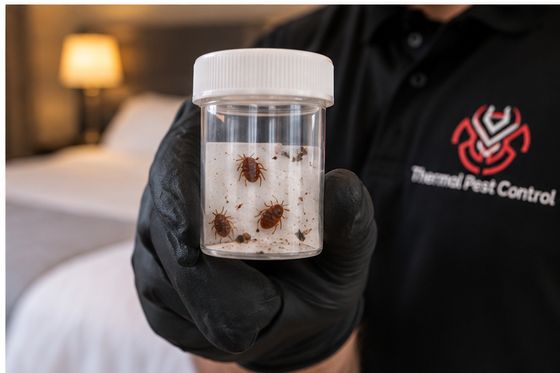
Bedbug Treatment for Care Homes
Treating around a resident who cannot easily move, and why heat is often the wrong answer.
Read more →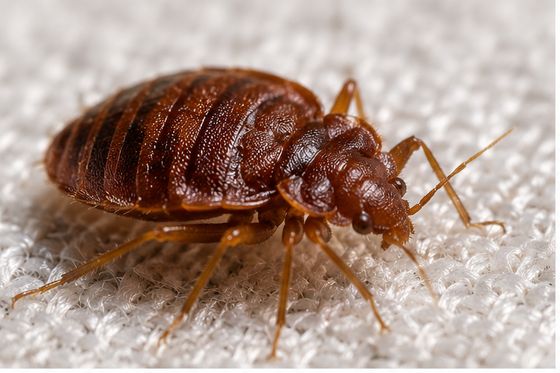
Can Bedbugs Spread Through an Office?
What an office 'infestation' turns out to be when somebody actually investigates it.
Read more →Bedbug Control Across Newham
Each area page is written around one situation we deal with.
Tell Us About the Property
Tell us what kind of building it is, how many units it has and which have reports, and we will come back with a plan.