
- What They Climb Easily
- What Stops Them, or Slows Them
- Bed Legs and Interceptor Cups
- Moving the Bed Away From the Wall
- What Treatment Does About Climbing
Every bedbug that bites you has walked there. It has crawled out of a seam, a joint or a crack, along a surface, and up onto the bed. That is useful to know, because the surfaces in between decide how easy the trip is, and a few of them make it hard.
What They Climb Easily
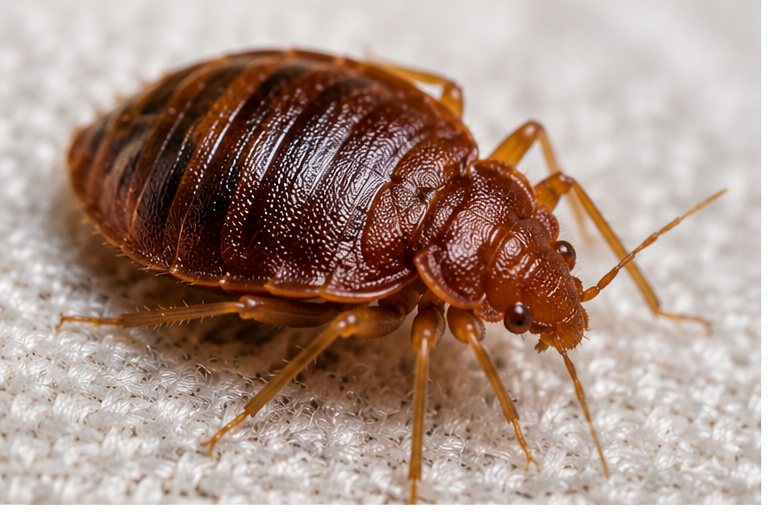
Bedbugs have small hooked claws that need something to catch on. Anything with a texture gives them grip. That includes wood, especially raw or rough timber, fabric of all kinds, paper and cardboard, carpet and rugs, and most painted walls, whose surface is rougher than it looks.
So yes, they can climb walls. They can walk up the wall behind a bed, along the top of a skirting, behind a loose picture frame or into a gap round a light switch. They can also climb bedding that trails on the floor, which gives them a ladder straight onto the mattress.
What Stops Them, or Slows Them
Very smooth, hard surfaces are difficult. Clean glass, glazed ceramic, smooth plastic and polished metal give their claws little to hold. A bedbug on a steep section of any of these tends to slip back down.
That does not make a metal bed a barrier. Paint, dust, scratches and rust all give grip, and a metal frame usually has fabric, wooden slats or a mattress resting on it. Bedbugs also hide inside metal frames, in hollow tubes, screw holes, joints and the gaps where parts slot together. We find them in metal beds as well as wooden ones.
Bed Legs and Interceptor Cups
Interceptor cups use that weakness. Each bed leg sits in a cup with a smooth inner wall. A bedbug can climb the rough outside of the cup, drop into the gap, and then cannot climb the smooth inside to reach the leg. Bugs trying to leave the bed can be caught the same way.
They are good for one thing: showing whether bedbugs are still moving around a bed, which is useful before and after treatment. They are not a treatment. Bugs already living in the mattress or frame are untouched by them, and the cups only work if nothing else joins the bed to the room.
Moving the Bed Away From the Wall
Pulling the bed a little away from the wall, tucking in the bedding so nothing touches the floor, and clearing things from under the bed all take away routes up. Combined with interceptor cups, they leave a bedbug only one way onto the bed, which is the way you are watching.
- Do it while you wait for treatment, not instead of it.
- Do not drag the bed out of the room, or move it into another bedroom.
- Keep bags and clothes off the bed and off the floor beside it.
- Carry on sleeping in the bed. Leaving it empty sends them looking elsewhere.
These steps matter most where a bed stands against a shared wall or in a room several people use. The Brent page explains how we plan treatment for a shared room.
What Treatment Does About Climbing
Neither treatment relies on bedbugs climbing anywhere. Heat raises the whole room, including the inside of metal frames and the wall behind the bed, to a temperature they cannot survive. Chemical treatment places a residual insecticide in the joints, seams and skirtings they have to cross, so the ones that hatch later walk through it.
Since the whole point is that bedbugs live close to a resting person, our guide on how bedbugs find you is the natural next read.
Related Questions
Can bedbugs climb up a metal bed frame?
Often, yes. Painted, dusty or scratched metal gives them grip, and they hide in the frame’s joints and hollow tubes. Only a clean, smooth, polished surface slows them.
Can bedbugs fly or jump onto the bed?
No. They cannot fly or jump. They walk, so anything that touches the bed and the floor or wall gives them a way on.
Will interceptor cups get rid of bedbugs?
No. They show whether bedbugs are moving to and from the bed, which helps you check before and after treatment, but they do nothing about bugs already in the bed.
Should I put the bed legs in water or something sticky?
We would not. It is messy, can damage floors and still leaves the bugs in the mattress and frame untouched. Call us instead on 0800 955 1018.
More Bedbug Advice for Brent
Written up in full for people in the borough, and worth reading before the treatment day.
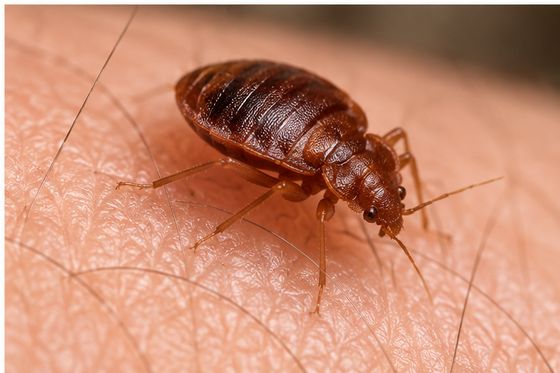
How Bedbugs Find You
Warmth, breath and stillness: why bedbugs end up where people rest, and where that means you should look.
Read more →
Checking a Hotel Room
The guest's side: a short check on arrival, where the suitcase goes, and what to do if you find signs.
Read more →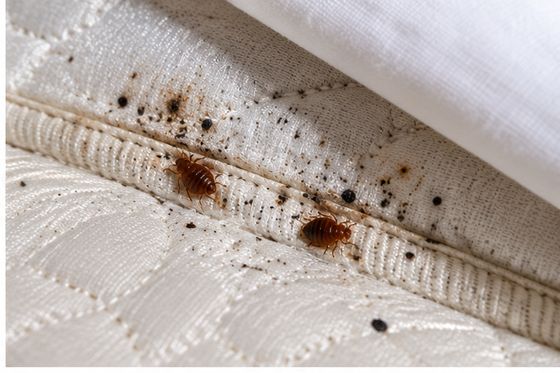
Blood Spots on Sheets
Red smears, dark dots and rust-coloured stains: which ones point to bedbugs and which usually do not.
Read more →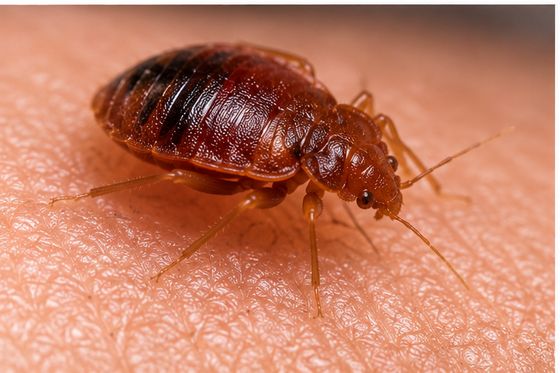
Can Pets Carry Bedbugs?
Why pets are rarely the way bedbugs arrive, bites on animals, pet beds, and where pets go on the day.
Read more →Bedbug Control Across Brent
Each area page is written around one situation we deal with.
Bedbug Treatments in Brent
Every service has its own page for Brent: heat, chemical, hotels, commercial premises and inspections.
Tell Us About the Property
Tell us what you have seen and where, and we will tell you what it needs.