

Why a Shared Room Changes the Course
When one person sleeps in a room, one bed and one set of drawers carry most of the evidence. When three or four people do, the bedbugs can be in a bunk frame, a floor mattress and a cot at once, and each sleeper’s belongings are a separate place to hide. The treatment itself is the same insecticide in the same places; what changes is the amount of room to prepare and the number of people who have to stick to the routine between visits.
How bedbugs pass from one sleeper to the next, and why one person can be bitten while the others are not, is covered on the Harlesden page. The full explanation of chemical treatment is on the London chemical treatment page.
Every Bed Counts, Including the Temporary Ones
Before the first visit, list every place anyone sleeps in the room, including the ones that are not really beds. We ask about:
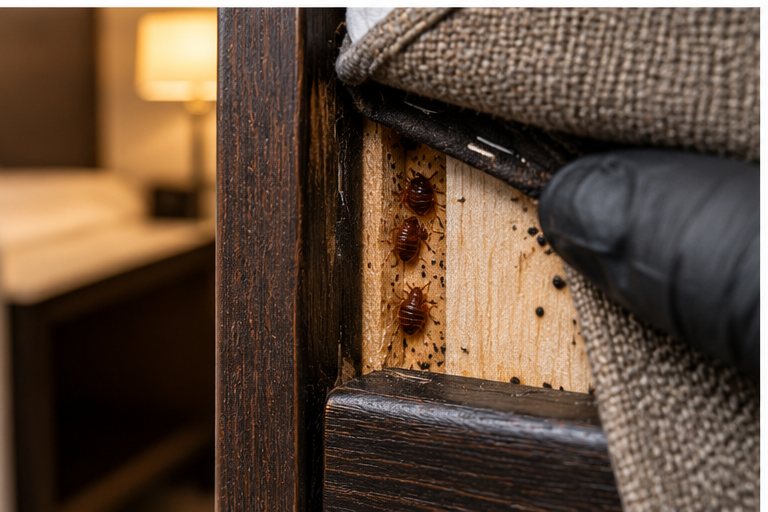
- Bunk beds. Both levels, the ladder and the slats. The joints on a bunk frame are some of the best hiding places in a room.
- Mattresses on the floor. These are treated too, and the carpet around them gets closer attention than usual.
- Cots and travel cots. Tell us before we arrive; we explain what we treat and what you do with the bedding and the mattress.
- Fold-out chairs and sofa beds that someone uses on some nights and not others.
- The bed someone moved to in another room once the bites started. That bed is now part of the job.
If a room has more beds than it has clear floor, we may suggest reorganising it before the first visit, because we need to reach the edges of every frame and the skirting behind them.
Preparing a Room That Is Full of Belongings
Shared bedrooms hold a lot: school bags, work uniforms, toys, boxes under beds, clothes on chairs. The preparation for chemical treatment asks for clear floors and hot-washed bedding, and in a busy room that takes real time. Split it between the people who sleep there, each doing their own bed area, rather than leaving it all to one adult the night before.
- Strip every bed in the room and hot-wash all of the bedding, including spare duvets kept in the room.
- Bag clothes from the floor, the chairs and the bottom of the wardrobe and wash them on a hot cycle; keep the clean ones sealed until the course has finished.
- Empty the space under each bed. Bag what came from there and leave it in the room, tied, rather than moving it to another bedroom.
- Pull beds a little away from the wall so the frames and the skirting can be reached.
- Make sure everybody is out of the room for the visit and stays out until the surfaces are dry.
Keeping to the Course When Everyone Has a Different Day
Chemical treatment does not reliably kill eggs, so the visits are about ten to fourteen days apart to catch what hatches in between. Usually two visits do it, sometimes three. A missed or rushed second visit is the commonest reason a course has to be extended, and in a shared room the risk is that one person’s area is not ready.
Book the second visit before the first technician leaves, choose a time when the room can be empty, and put the date where everybody sees it. If someone works nights and sleeps in the day, tell us when you ring: we plan the visit around their sleep, not in the middle of it.
Between visits, everybody keeps sleeping in their own bed. It feels wrong to go back to the bed that bit you, but the treated bed is what draws the bedbugs onto the treated surfaces. Moving children into a parent’s bed or onto the sofa usually spreads the problem to a new room.
When Heat Suits a Shared Room Better
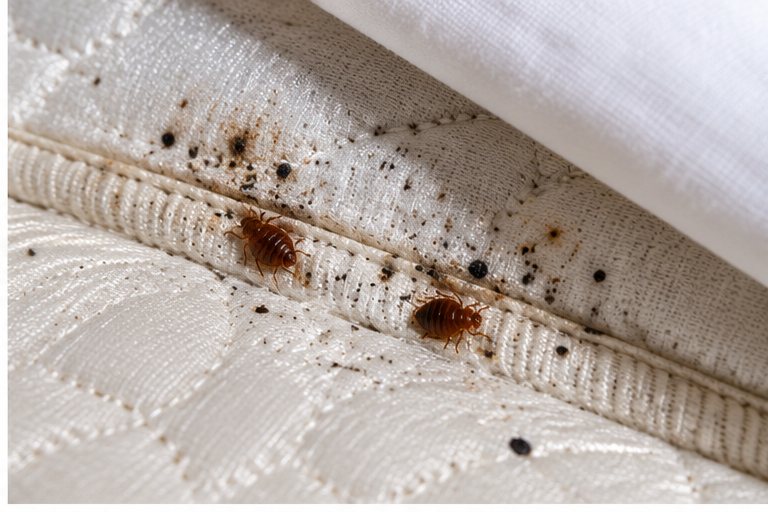
A crowded room with a lot of furniture and belongings is exactly the situation where heat, which treats everything in the room at once and kills the eggs too, can make more sense than a course of visits. It costs more. The heat treatment page for Brent explains how it is planned, and we will tell you on the phone which we think fits the room.
The Cost of a Chemical Course
Treatments start from £220, and chemical costs less than heat. The figure depends on how many rooms are involved, and you get it on the phone before anything is booked. If you are not yet sure it is bedbugs, an inspection in Brent starts from £120. For bites that are troubling someone in the room, a pharmacist or GP can help, and call 999 for any sign of a severe allergic reaction. The Brent bedbug control page covers the household side more widely.
← Bedbug Control Brent · Bedbug Chemical Treatment London, in full
Bedbug Chemical Treatment Brent — Questions
Does every bed in a shared room need treating even if only one person is bitten?
Yes. Some people do not react to bites at all, so the person with marks is not a reliable guide to where the bedbugs are. Every sleeping place in the room is treated.
Can the children sleep in the room after the visit?
Once the treated surfaces are dry, the room is back in use; we tell you on the day when that is. Follow the instructions the technician gives you for the room.
Should the children sleep with us between visits?
It is better if they do not. Moving people to other beds tends to carry bedbugs into rooms that were clear, and the treatment works best when the usual beds are slept in.
What if one person in the room misses the preparation?
Tell us before the visit rather than on the doorstep. We would rather move the date than treat a room where one bed area is still covered in belongings.
How many visits does a shared bedroom need?
Usually two, sometimes three, about ten to fourteen days apart. A room with more beds takes longer on each visit but not normally more visits.
Is heat better for a room several people sleep in?
Sometimes, especially where the room is crowded with belongings. It costs more but usually needs one visit; we will say which we recommend when you describe the room.
Bedbug Treatments in Brent
Every service has its own page for Brent: heat, chemical, hotels, commercial premises and inspections.
Chemical Treatment Advice
The guides that go into bedbug chemical treatment in more depth.
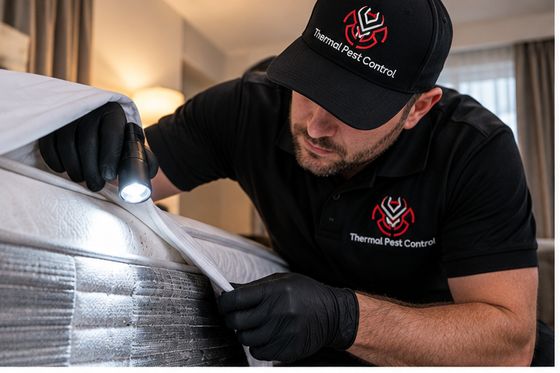
How Professional Chemical Treatment Works
What is actually in a professional treatment, and why it is not the tin from the hardware shop.
Read more →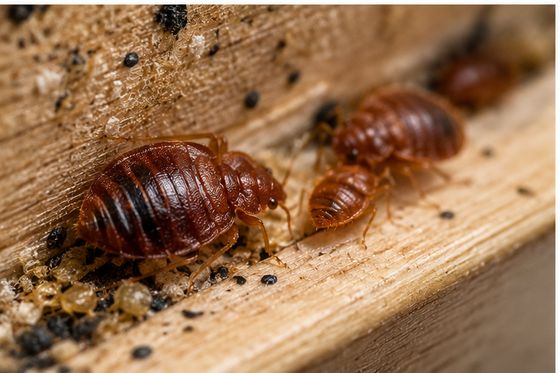
How Many Treatments Does It Take?
The bedbug life cycle sets the number, not the pest controller. Here is the timetable.
Read more →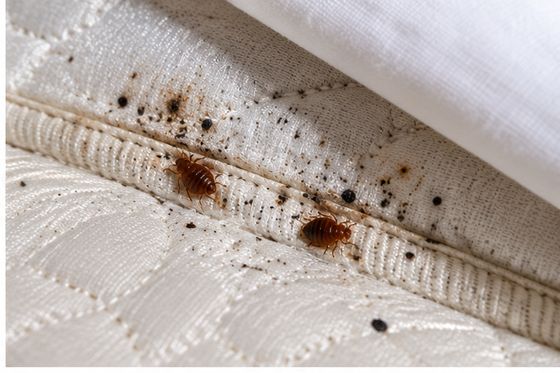
What Happens After the Treatment
Day one to week six, what you will actually see, and when to stop worrying.
Read more →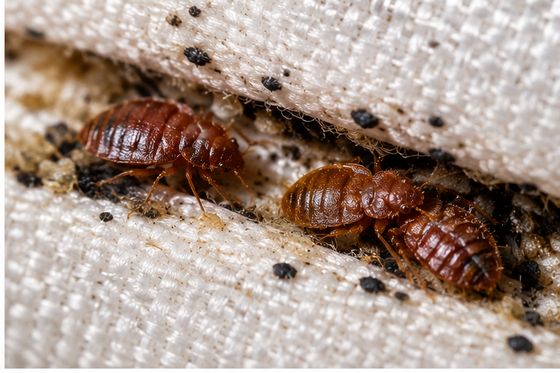
Why Bedbugs Reappear After Treatment
Hatching, survival or re-introduction. Three different problems that look identical.
Read more →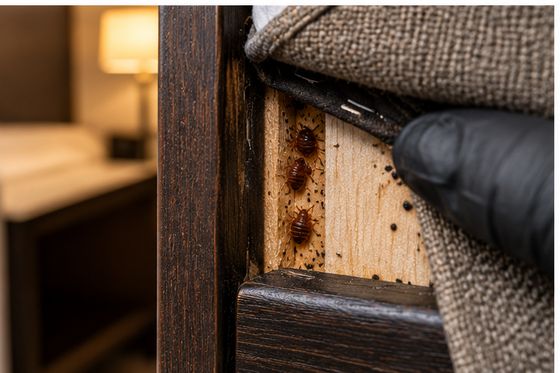
Where Pest Controllers Actually Treat
Why bedbugs choose the places they do, and the places we deliberately leave alone.
Read more →Bedbug Control Across Brent
Each area page is written around one situation we deal with.
Tell Us About the Property
Tell us how many people sleep in the room and what they sleep on, and we will plan the visits around them.