

Why a Managed Block Needs Planning First
In a house, the householder opens the door and the day starts. In a block with a management office, a loading bay and a fire strategy, several people have a say before any equipment crosses the threshold. None of it is difficult, but it has to happen in the right order, and it is usually the missing permission rather than the bedbugs that delays a booking.
If you have not yet told the building, start with the Wembley Park page, which covers reporting it to an on-site team and what the building normally does next. This page picks up once the decision has been made to heat the flat.
What happens inside the room, and why heat reaches the eggs, is on the London heat treatment page for the full explanation.
The Questions We Ask the Building
When you ring, we will ask for a contact at the management office, or ask you to pass our questions on. The answers shape the day more than the size of the flat does:
- Access. Which entrance a contractor uses, whether fobs or a sign-in are needed, and the hours the building allows work.
- The lift. Whether there is a goods or service lift that can be booked, and whether it needs protective panels fitted before equipment goes in.
- Parking and unloading. Where a van can stop, for how long, and whether a bay has to be reserved in advance.
- Fire detection. Which detectors are in the flat and who is allowed to isolate them.
- Neighbouring flats. Whether the building wants the flats either side or above and below looked at as well.
The Fire Alarm on a Heat Day
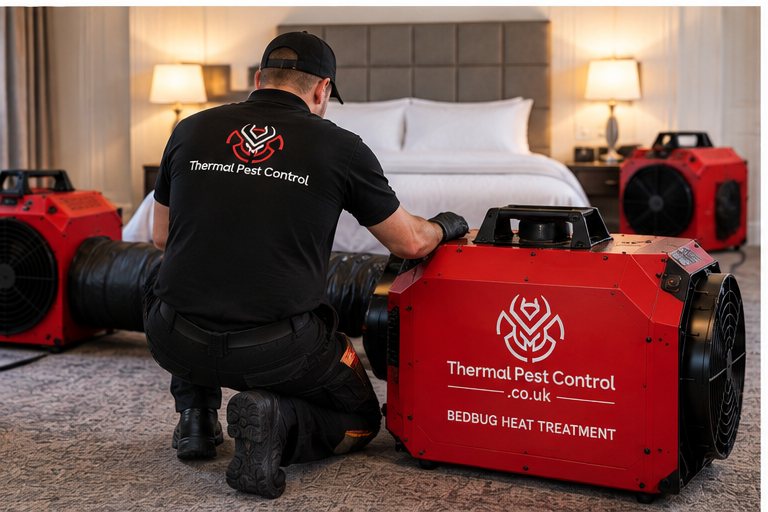
Heat treatment makes no smoke, but a detector that responds to temperature can react to a heated room. In a block, the alarm is usually linked across the building, and an alarm going off on one floor can mean an evacuation for everybody. That is the one part of the day we never improvise.
We arrange with the building’s fire officer or facilities team, before the booking is confirmed, how the detectors in the treated rooms are handled and who puts them back. We follow the building’s own procedure; if it says their engineer does it, their engineer does it. You do not need to touch anything in the ceiling yourself.
Preparing a Modern Rental Flat
New flats tend to be compact, with built-in wardrobes, an open-plan living space and not much storage. That affects preparation in a few ways worth planning for:
- Clear the bedroom floor first. With built-in storage there is often a pile of boxes or cases in the corner; leave the contents where they are but lift them off the floor into open bags so the heat gets round them.
- Take out the heat-sensitive items: aerosols, candles, medication, vinyl, plants, and the electronics we name on the phone. In a small flat, put them in a sealed bag near the front door rather than in the hallway cupboard, and check nothing went in that came from the bed.
- Strip and bag the bedding. If there is a washer-dryer in the flat, get it through before the day.
- Tell the concierge you have contractors booked, even if the management office already knows.
- Plan where you will be. Heat takes most of a day, and you and any pets are out of the flat for it.
A sofa bed in the living area counts as a bed. If anybody has slept on it since the bites started, tell us, because it is then part of the treatment.
Flats on the Same Corridor
Heat treats what is inside the flat and leaves nothing behind. In a block, where flats share service risers and corridor walls, we may put a light residual at the room edges once the heat is finished, so that anything arriving later from outside meets a treated surface. If we do, we tell you where it went and when those surfaces can be touched.
Whether the next-door flats are inspected is the building’s decision, not yours. We can look at them on the same visit if the management team arranges access; inspections in Brent start from £120.
Cost, and Who Pays
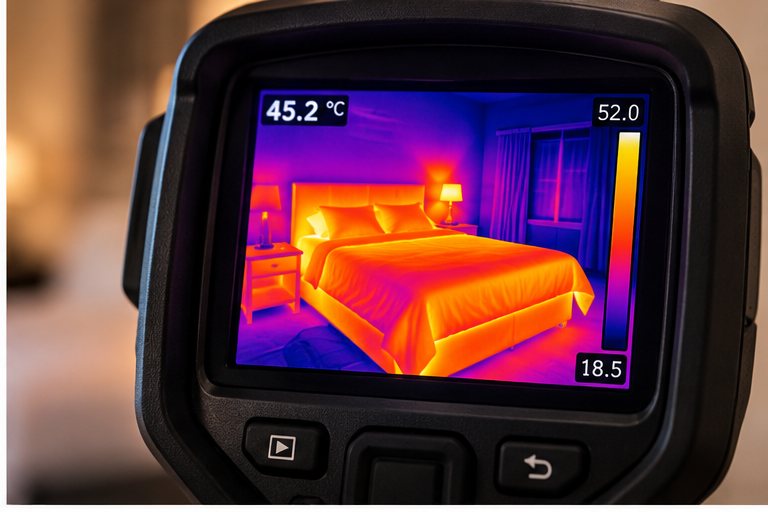
Heat treatments start from £220 and cost more than a chemical course, because of the equipment and the time on site. The figure depends on how many rooms are treated, and you get it on the phone before anything is booked. In a rented flat, who pays depends on the tenancy and on how the bedbugs arrived; report it to the building in writing and keep a copy. We are pest controllers, not legal advisers.
If heat cannot be arranged in your building, the chemical treatment page for Brent covers the alternative, and the Brent bedbug control page has the wider picture.
← Bedbug Control Brent · Bedbug Heat Treatment London, in full
Bedbug Heat Treatment Brent — Questions
Do I need the building's permission before booking heat treatment?
In a managed block, yes in practice. We need access, the lift and an agreed plan for the fire detectors, and only the building can give those. We can speak to the management office directly if you give us a contact.
Will the heat set off the alarm for the whole building?
Not if it is arranged properly beforehand. We agree with the building how the detectors in the treated rooms are handled, follow their procedure, and they are put back when the rooms have cooled.
Can the on-site team let you in if I am at work?
Often, if the building allows it and you have agreed it with them in writing. Someone still needs to walk us round at the start or tell us exactly where the signs were found.
Is one flat enough, or does the whole floor need doing?
It depends on what an inspection of the neighbouring flats finds. Treating one flat is normal; the building decides whether to have the flats around it checked.
When can I go back into the flat?
Once the rooms have cooled, usually the same evening. Put back what you removed and use the bed as normal; if a residual went down at the edges, follow what we told you about it.
How much does heat treatment cost for a one-bedroom flat?
Treatments start from £220, and heat costs more than chemical. Ring 0800 955 1018 with the number of rooms and you get the figure before anything is booked.
Bedbug Treatments in Brent
Every service has its own page for Brent: heat, chemical, hotels, commercial premises and inspections.
Heat Treatment Advice
The guides that go into bedbug heat treatment in more depth.
How Heat Treatment Works, and Does It Kill Eggs?
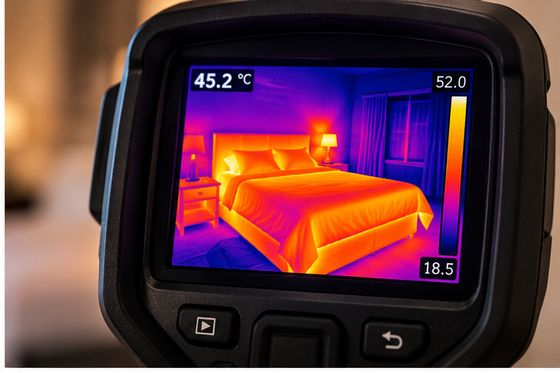
What heat actually does to a bedbug, and why an egg has no defence against it.
Read more →
How Long Does a Heat Treatment Take?
Why one London flat takes four hours and another takes ten, and what decides it.
Read more →
Heat or Chemical: How to Choose
Five questions to ask yourself. Answer them honestly and the right treatment picks itself.
Read more →
Preparing Your Home for Heat Treatment
What to do the week before, the night before and the morning of. A plan, not a list.
Read more →
Can Bedbugs Survive a Heat Treatment?
Sometimes, yes. Here are the five ways it happens, and how each one is avoided.
Read more →Bedbug Control Across Brent
Each area page is written around one situation we deal with.
Tell Us About the Property
Tell us the building, the number of rooms and whether the management office knows, and we will plan the heat day from there.