
- Breath, Warmth and Scent
- Why Stillness Matters
- They Stay Close to Where You Rest
- What This Means for Where You Look
- Why Sleeping Somewhere Else Backfires
A bedbug spends most of its life hidden and still. It comes out to feed, usually in the small hours, and then goes back into hiding to digest. Between those two moments it has to find a person, and it does that with a small set of cues that a sleeping body gives off without trying.
Breath, Warmth and Scent
The first cue is breath. People breathe out carbon dioxide all night, and it builds up around a bed, a sofa or an armchair where someone is lying. Bedbugs respond to it and move towards the source.
Closer in, body warmth takes over. A resting person is warmer than the mattress and the air around them, and bedbugs head for that warmth. Skin also gives off a mix of natural scents, and these help guide a bug the last short distance to bare skin, usually on the arms, neck, face or shoulders.
Why Stillness Matters
Feeding takes a while, and a bedbug is easily disturbed. So it favours a person who stays put for hours. That is why the bed is the main target, followed by anywhere else someone regularly dozes: a recliner, a sofa used for naps, a sofa bed, or a floor mattress in a shared room.
It is also why bites often appear in lines or small clusters on skin that was uncovered during sleep. A bug that is disturbed moves a little and tries again.
They Stay Close to Where You Rest
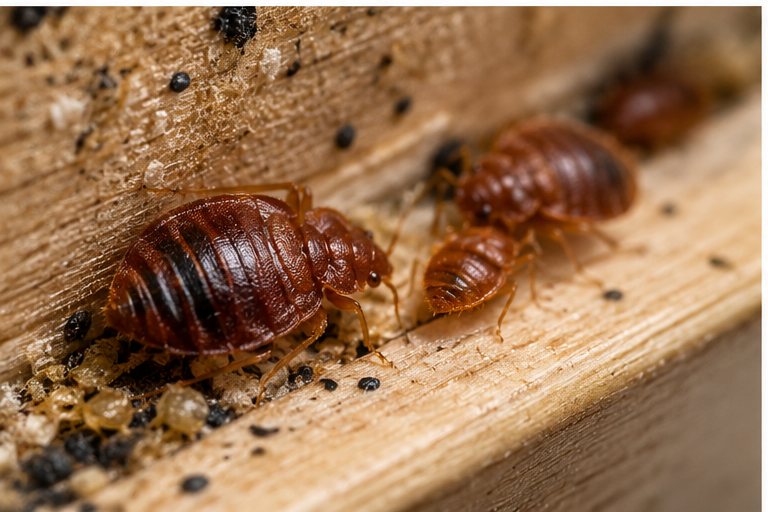
Once it has fed, a bedbug does not wander off across the house. It returns to a hiding place within easy reach of the host: the mattress seams, the joints of the bed frame, the back of the headboard, the edge of the carpet under the bed, or a crack in the skirting beside it. Over time, eggs are laid there and the group grows around that one spot.
So the pattern of a problem follows the pattern of sleep. In a house where several people share a room, or where someone sleeps on the sofa, there will be several of these spots, one for each resting place in use.
What This Means for Where You Look
- Start at the bed where bites were first noticed, especially the seams, corners and piping of the mattress.
- Check the frame joints, slats and any screw holes, and the back of the headboard.
- Look at the skirting and carpet edge nearest the bed.
- Then check every other place someone sleeps or naps, including sofas and chairs.
- Finally look at bags, coats and anything kept beside those places.
Signs to look for are the bugs themselves, pale shed skins, tiny white eggs, and dark spotting in the seams. Our guide to blood spots on sheets helps you tell those marks from other causes. If you would like someone to look properly, the Brent inspections page explains what we check and what it costs.
Why Sleeping Somewhere Else Backfires
Because bedbugs follow the person, moving to the sofa or into a relative’s room does not escape them. It usually gives them a new resting place to settle into, and it can bring them along in clothes and bedding. That is why we ask people to carry on sleeping in their own bed until the room is treated. The Brent page explains how treatment is planned when a room is shared by several people.
The same logic explains why simple barriers help with monitoring but do not solve the problem on their own. Our guide on whether bedbugs can climb walls and metal covers bed legs, interceptor cups and pulling the bed away from the wall.
Related Questions
Do bedbugs only bite at night?
Mostly, because that is when people lie still for long periods. Someone who sleeps during the day after a night shift can be bitten during the day instead.
Why am I bitten and my partner is not?
You may both be bitten. Bites vary, and some people do not react at all, so the partner with no marks can still be sharing the bed with them.
Will leaving a light on keep them away?
Not reliably. They prefer darkness, but a hungry bedbug will still feed in a lit room if a person is lying still nearby.
Can bedbugs sense me from another room?
They respond to cues close to a resting person, which is why they live near beds and sofas rather than roaming the house looking for people.
More Bedbug Advice for Brent
Written up in full for people in the borough, and worth reading before the treatment day.
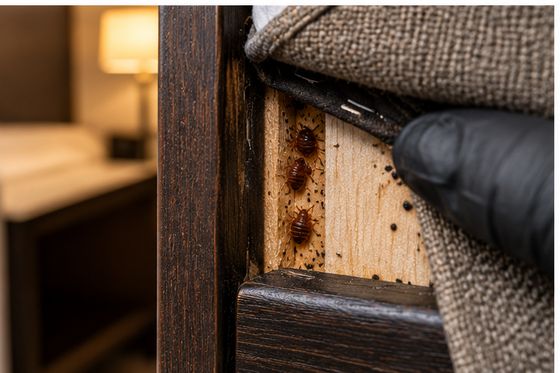
Can Bedbugs Climb Walls and Metal?
Wood, fabric, painted walls and polished metal: what they can grip, and what that means for the bed.
Read more →
Checking a Hotel Room
The guest's side: a short check on arrival, where the suitcase goes, and what to do if you find signs.
Read more →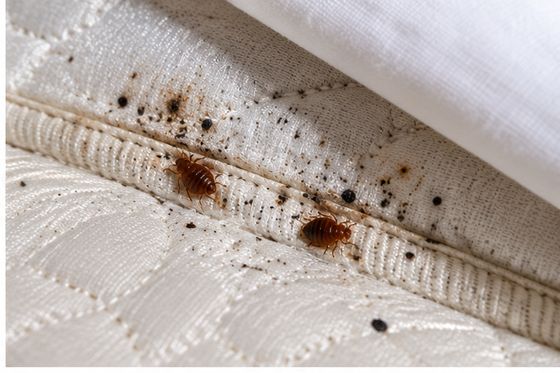
Blood Spots on Sheets
Red smears, dark dots and rust-coloured stains: which ones point to bedbugs and which usually do not.
Read more →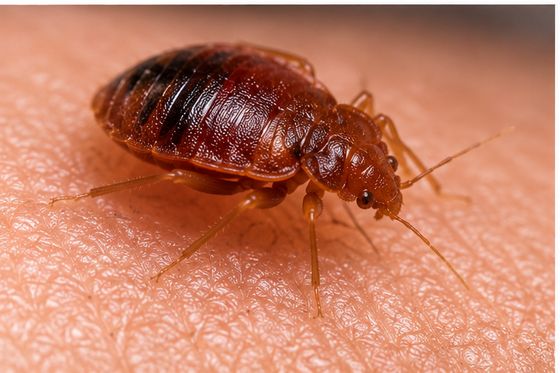
Can Pets Carry Bedbugs?
Why pets are rarely the way bedbugs arrive, bites on animals, pet beds, and where pets go on the day.
Read more →Bedbug Control Across Brent
Each area page is written around one situation we deal with.
Bedbug Treatments in Brent
Every service has its own page for Brent: heat, chemical, hotels, commercial premises and inspections.
Tell Us About the Property
Tell us what you have seen and where, and we will tell you what it needs.