

Where Bedbugs Turn Up on a Working Site
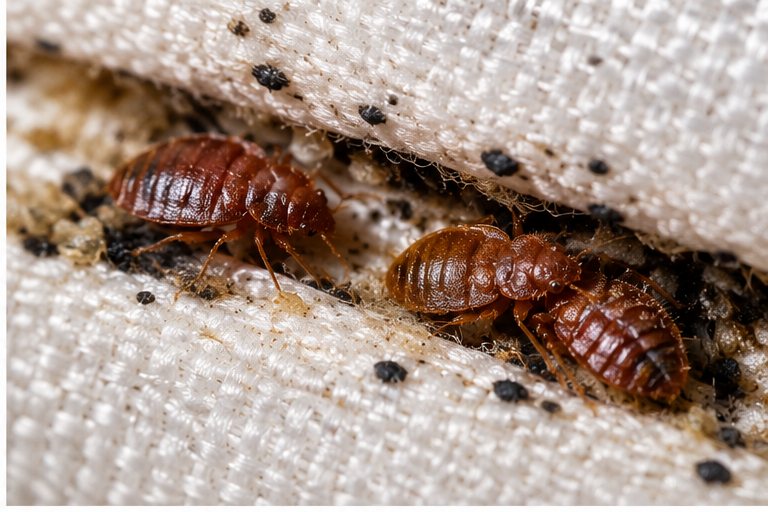
An industrial estate like Park Royal is mostly floor space, racking and machinery, none of which suits a bedbug. The places that matter are the small ones where staff sit or lie still for a while and leave belongings. Those are where we look first:
- Rest and break rooms, especially upholstered sofas and reclining chairs.
- Sleep or quiet rooms for drivers and night staff, where someone lies down between shifts.
- Locker rooms, where bags and coats from many homes sit side by side all day.
- Canteens and mess rooms, mainly the upholstered seating rather than the kitchen.
- First-aid rooms with a couch, and drivers’ cabs with a sleeper berth.
How bedbugs behave in workplaces generally, and the full explanation of how we treat them, is on the London commercial bedbug treatment page.
When a Member of Staff Reports Bites
Most workplace cases start with one person saying they have been bitten, or a colleague finding something on a chair. Handle it calmly and keep the person’s name out of it where you can. Bedbugs arrive with belongings; they say nothing about anybody’s hygiene, and a worker who feels blamed is less likely to report the next one.
- Take the chair or sofa out of use and leave it where it is. Moving it across the site spreads them.
- Ask staff to keep bags and coats in lockers or sealed bags, not on seating, until the area is checked.
- Book an inspection of the rest areas before anything is thrown out or sprayed.
- Suggest the person who reported it checks their own bed at home. If bedbugs are coming in with someone, the home is where they need treating; the Brent inspections page covers confirming it there.
Working Around Shifts
Sites that run through the night do not have an obvious empty hour. We plan treatment around your rota instead: the rest room closed for one shift while another is used, the locker room done between handovers, the canteen treated after the last sitting. Tell us your shift pattern when you ring and which rooms have alternatives.
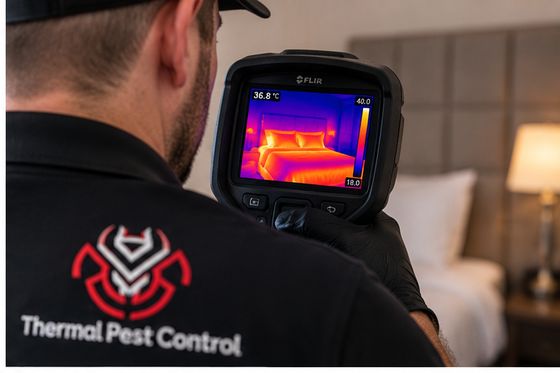
Chemical treatment suits many staff areas because the room is back in use once the surfaces are dry, but it needs two, sometimes three visits about ten to fourteen days apart, each fitted into the rota. Heat treats a room in one visit, eggs included, and suits a heavily used sofa room or a sleep room; it costs more and the room is out of use for most of a day. The chemical and heat treatment pages for Brent set out each one.
Canteens and Food Areas
Kitchens and serving counters are rarely where bedbugs are found, but they sit next to the seating that is. Where treatment is near food areas, we tell you beforehand what has to be covered, cleared or closed, and when it can reopen. Follow those instructions exactly, and tell us about any inspection regime or food-safety procedure your site already has so the work fits it.
What You Get for Your Records
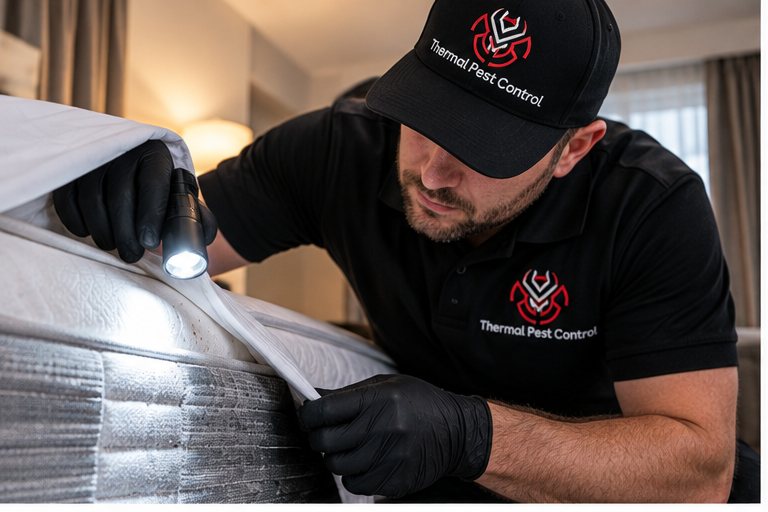
A business usually needs more than a verbal all-clear. After each visit you get a written report setting out what was found, where, what was treated and what happens next. That is what you show a landlord, a head office or a health and safety lead.
If your staff live in shared accommodation that you provide, that is a different job, closer to a home treatment; the Brent bedbug control page covers shared households.
How Commercial Work Is Priced
Commercial work is quoted on the rooms or units involved and the treatment chosen. Treatments start from £220, heat costs more than chemical, and the figure is given on the phone before anything is booked. Ring 0800 955 1018 with the areas affected and your shift pattern.
← Bedbug Control Brent · Commercial Bedbug Treatment London, in full
Commercial Bedbug Treatment Brent — Questions
Do we need to close the whole site?
No. Treatment is confined to the rest, locker and seating areas where the signs are. Those rooms close for the visit; the rest of the site carries on.
Should we tell all our staff?
Tell them enough to keep bags off seating and to report anything they see, without naming whoever reported it first. A short, calm notice works better than silence or alarm.
Can you treat at night or between shifts?
Visits are planned around your rota. Tell us your shift pattern when you ring and which rooms have an alternative, and we will suggest the times.
What about the employee's home?
If bedbugs are travelling in with someone, the source is usually their home. We can inspect or treat there separately; how that is arranged is between you and your employee.
Do you give a written report?
Yes. Each commercial visit is written up with what was found, what was treated and the next steps.
How much does commercial treatment cost?
It is quoted on the rooms or units involved; treatments start from £220. You get the figure on the phone before anything is booked.
Bedbug Treatments in Brent
Every service has its own page for Brent: heat, chemical, hotels, commercial premises and inspections.
Commercial Advice
The guides that go into commercial bedbug treatment in more depth.
Bedbugs in the Workplace
The source is almost always somebody's home. Handling that without humiliating anyone is the real job.
Read more →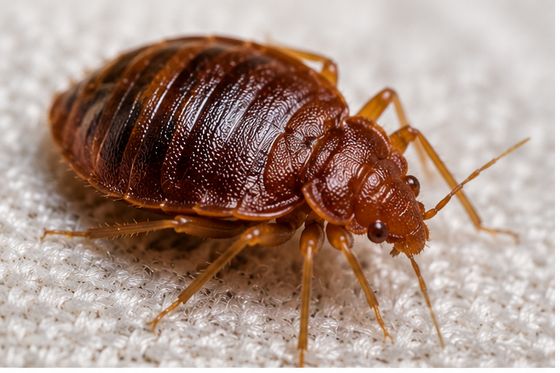
HMOs and Serviced Apartments
Getting into every unit at once is the hard half of block work. How it is actually scheduled.
Read more →
Student Accommodation and Halls
The academic calendar is a pest calendar. Build the inspection programme around it.
Read more →
Bedbug Treatment for Care Homes
Treating around a resident who cannot easily move, and why heat is often the wrong answer.
Read more →
Can Bedbugs Spread Through an Office?
What an office 'infestation' turns out to be when somebody actually investigates it.
Read more →Bedbug Control Across Brent
Each area page is written around one situation we deal with.
Tell Us About the Property
Tell us which rest areas are affected and how your shifts run, and we will plan the visits around them.